Over 1,200 Animal Welfare Violations Exposed in Israeli Slaughterhouses
An investigative report reveals over 1,200 animal welfare violations in Israeli slaughterhouses from 2021 to 2026, sparking legal battles over transparency and oversight.
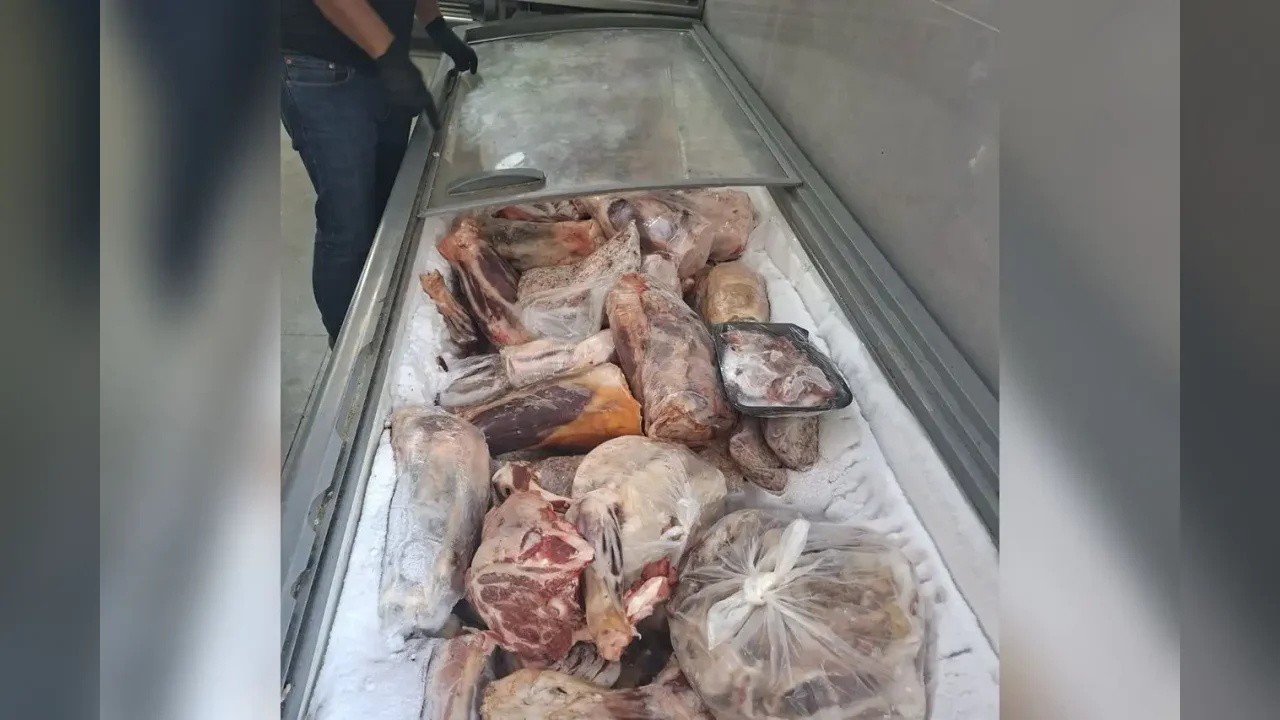
An investigative report has brought to light more than 1,200 animal welfare violations documented across slaughterhouses and abattoirs in Israel between 2021 and March 2026. The findings, which span major food processing facilities including Tnuva's "Adom Adom" plant and the Dabbah slaughterhouse, detail improper electric shock usage, animals kept without access to water, and live poultry discarded into offal containers.
Historical Context and Past Scandals
The revelations echo previous controversies in the local meat industry. Most notably, a 2012 television exposé on the "Adom Adom" facility uncovered severe abuse, including physical beatings, the use of electric shockers, and calves dragged by forklifts. That investigation led to the criminal conviction of four employees and managers on animal cruelty charges, followed by a 4.2 million shekel settlement in a class-action lawsuit. Nearly fourteen years later, systemic challenges surrounding slaughterhouse operations remain unresolved.
Documented Violations and Regulatory Gaps
Recent inspection logs from January 2025 through March 2026 at the Tnuva facility alone record nine infractions. In one incident, an official veterinarian noted that a slaughtered calf on the conveyor belt showed signs of retaining consciousness. In another, an employee repeatedly deployed an electric shocker on a calf walking on its own while the gate ahead remained closed. Although onsite veterinarians meticulously document these infractions and regional inspectors submit reports to the Ministry of Agriculture, enforcement actions remain scarce.
Despite more than 1,200 recorded violations, authorities have convened a mere 12 hearings across nine facilities, issuing only two individual fines stemming from a single incident, with zero criminal indictments filed. An internal ministry report released in May highlighted severe staffing shortages and communication failures across enforcement divisions.
Legal Battles Over Information Disclosure
Parallel to regulatory scrutiny, a high-stakes legal battle is underway regarding public access to inspection records. Following petitions by the animal rights group "Let the Animals Live", the Ministry of Agriculture began releasing previously withheld data. However, Tnuva and Dabbah filed legal challenges to block the full disclosure of documents concerning their operations, arguing that releasing technical internal reports out of context could mislead the public and damage business activities.
Meanwhile, the High Court of Justice issued a conditional order in May instructing the Minister of Agriculture to explain why regulatory frameworks governing animal welfare in abattoirs have not yet been submitted to the Knesset.
Stakeholder Responses
The Ministry of Agriculture defended its regulatory approach, stating that it acts consistently to safeguard public health and animal welfare while noting that technical inspection logs utilize professional terminology that could be misinterpreted by the general public.
Tnuva emphasized its adherence to rigorous standards under daily veterinary supervision, asserting that internal inspection logs are meant for immediate operational rectification and that activist groups manipulate these records to campaign against the meat industry. Dabbah similarly criticized the disclosure requests as politically motivated by organizations seeking to abolish the consumption of animal products.
Conversely, representatives from "Let the Animals Live" condemned the systemic concealment of facts:
"The disclosed data reveals the grim reality behind abattoir walls, severe production violations, and regulatory oversight that repeatedly fails to minimize animal suffering. The public has a right to know how food conglomerates flout animal welfare laws with impunity."
As legal proceedings continue, the central question remains whether regulatory authorities will transition from passive documentation to active enforcement.