Jefferies Initiates El Al Coverage With Buy Rating and 33% Upside Target
Jefferies issues a buy rating for El Al Israel Airlines with a 27-shekel price target, citing strong cash reserves, reduced debt, and fleet expansion despite upcoming foreign competition.
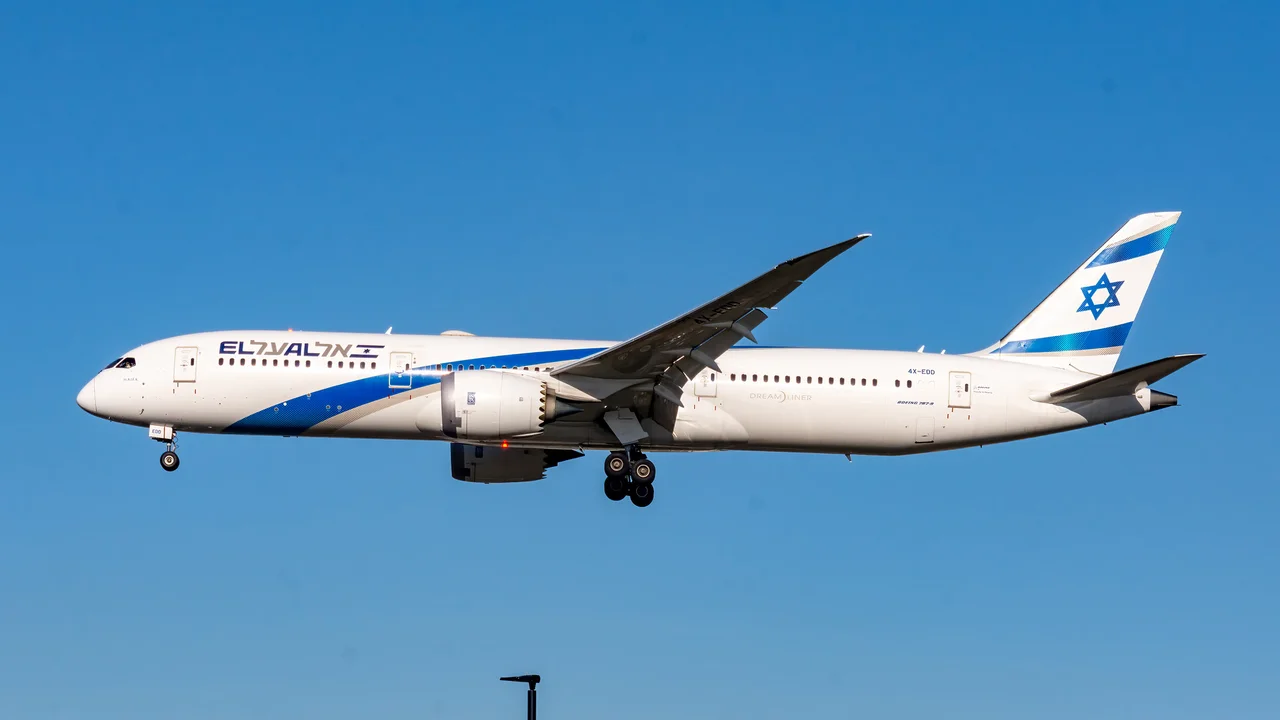
Investment banking giant Jefferies has issued a bullish assessment for El Al Israel Airlines, initiating coverage with a buy recommendation and a 12-month target price of 27 shekels per share. The target represents a 33% upside potential compared to the carrier's closing price on November 12. According to the analysis, the airline emerges from an extended conflict period defined by limited foreign competition and high ticket prices in a remarkably robust financial and operational posture.
Jefferies analysts emphasize that El Al carries substantially less debt, boasts higher cash reserves, and is actively expanding its aircraft fleet. Even though increasing foreign airline competition is expected to cool ticket prices and moderate profitability, the investment bank views the equity as undervalued. The review outlines multiple projections, ranging from a bear-case scenario where intense competition drops the share price to 14 shekels, down 31%, to a bull-case target of 36 shekels, a 77% surge, should foreign carrier disruptions persist and ticket prices remain elevated.
Financial Strength and Fleet Expansion
El Al benefits from structural advantages that include expanded seat capacity on long-haul routes, a consolidated network anchored at Ben Gurion International Airport, and a highly competitive frequent flyer loyalty program. Financially, the flag carrier has reduced its gross debt by nearly half since 2019 to approximately 1.1 billion US dollars, while expanding liquidity to roughly 2 billion US dollars. This leaves El Al with net cash of about 900 million US dollars, creating a vital financial buffer against roughly 3.6 billion US dollars in aircraft purchase commitments.
Fleet growth serves as a primary growth engine, with wide-body seat capacity projected to expand by 11% through 2027 and 29% through 2030. Furthermore, starting in 2028, the airline is scheduled to receive 20 new Boeing 737 MAX aircraft. Analysts believe that pent-up travel demand from Israel remains substantial, noting that recent passenger traffic constraints stemmed from limited flight availability rather than waning consumer interest. Overall seating capacity across Israeli routes is not expected to match or surpass pre-pandemic levels until 2027, while trips per capita remain below historical peaks.
Competitive Headwinds and Valuation Outlook
While the return of international carriers will introduce formidable headwinds, reducing load factors and ticket pricing, El Al's revenue per available seat kilometer (RASK) is projected to decline from about 11.4 cents in 2026 to roughly 10.4 cents in 2028. Despite this moderation, unit revenues will remain approximately 50% higher than 2019 levels. Consequently, Jefferies forecasts EBITDA to ease from roughly 848 million US dollars in 2025 to about 684 million US dollars by 2028, reflecting an 18% margin.
Despite declining earnings projections, Jefferies notes that El Al trades at an enterprise value to EBITDA multiple of 3.8 based on 2027 forecasts, sitting below the European airline sector average of 4.2 despite superior profitability and net cash reserves. The target price is derived using a 6x multiple on 2028 EBITDA, reflecting a discount compared to peers like Ryanair to account for geopolitical risk exposure and heavy dependence on the domestic Israeli market.