Knesset Warns of 24 Billion Dollar Defense Gap After US Aid Freeze
A Knesset committee revealed Israel faces a 24 billion dollar defense procurement debt and a major fiscal gap following the sudden halt of US military aid.
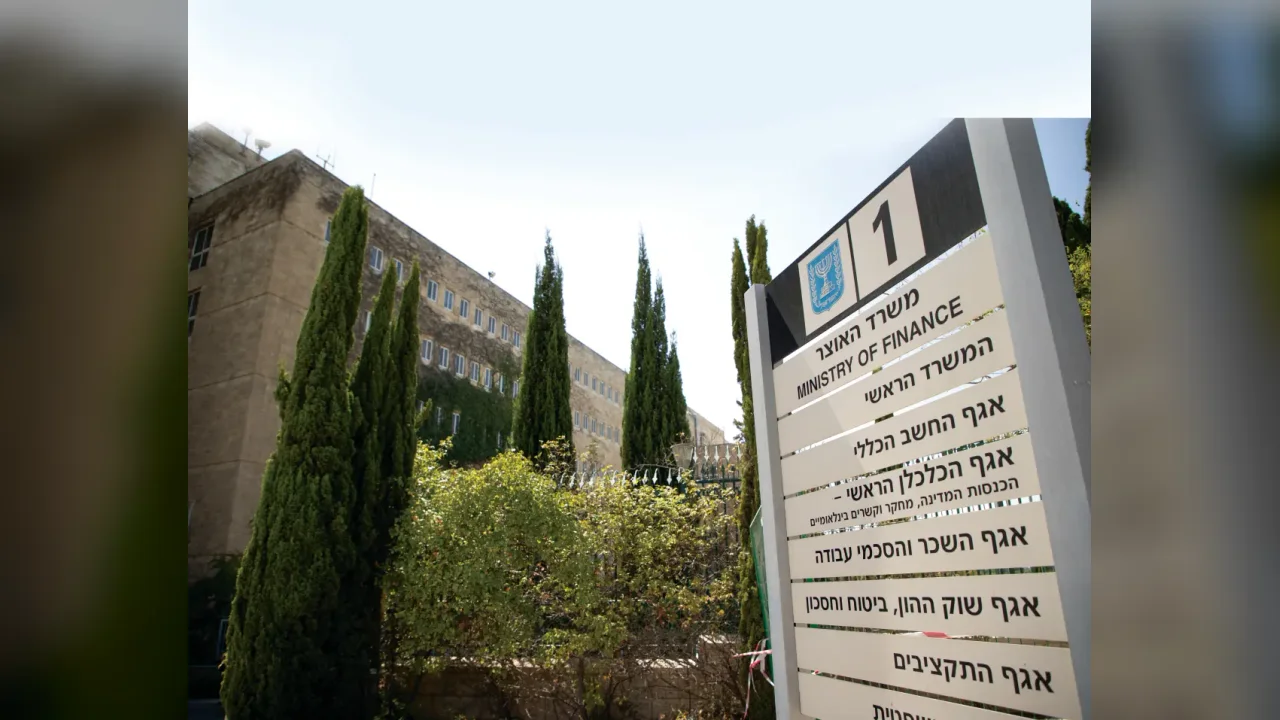
A special meeting of the temporary Finance Committee of the Knesset laid bare a massive fiscal gap facing Israel following the abrupt halt of US military assistance, which amounts to 3.8 billion shekels annually. Shira Amiel Ben Aba, deputy head of the Budget Department at the Ministry of Finance, disclosed to lawmakers that Israel has already committed to procuring 24 billion dollars in defense equipment from American industries, relying on a future aid framework designed to succeed the current agreement starting in 2029.
The suspension of US military funding came to light earlier this month during the US midterm elections, when US President Donald Trump announced that he had finalized the arrangement with Prime Minister Benjamin Netanyahu months prior. Two weeks after Trump's declaration, the Ministry of Finance and the defense establishment remain in the dark regarding the specific terms and the exact timeline for halting fund transfers for 2027 and 2028. According to Amiel Ben Aba, officials received no advance warning and are currently scrambling to decipher the administration's intentions.
Financial Exposure and Budgetary Burden
Most of Israel's financial commitments to American contractors extend well beyond the traditional budgetary window and were initiated roughly five years ago to secure critical aerial platforms, including fighter jets, refueling aircraft, and helicopters. Ministry officials warned that if a new assistance pact fails to materialize, the staggering financial burden will fall directly on the state budget, threatening funding for domestic ministries or necessitating sweeping tax hikes.
Lawmakers during the session sharply criticized the lack of transparency surrounding the bilateral understandings. MK Shaul Meridor denounced the development as an unprecedented failure, asserting that the arrangement was reached without proper staff work or institutional review. MK Noam Tibon of Yesh Atid echoed these concerns, condemning the secretive process as improper governance and warning against shifting the resulting fiscal deficit onto the shoulders of Israeli citizens. The committee proceedings faced temporary disruption when MK Almog Cohen of Likud raised conflict-of-interest allegations against the committee chair before being escorted out by ushers. Meanwhile, a representative from the defense establishment declined to clarify whether the Ministry of Defense had prior knowledge of the funding freeze.