Shas Submits Bill to Freeze Draft Arrests Amid Coalition Talks
The Shas party submitted a bill to freeze draft-related arrests until a new government is formed, placing opposition and center-left leaders in a complex political dilemma during coalition talks.
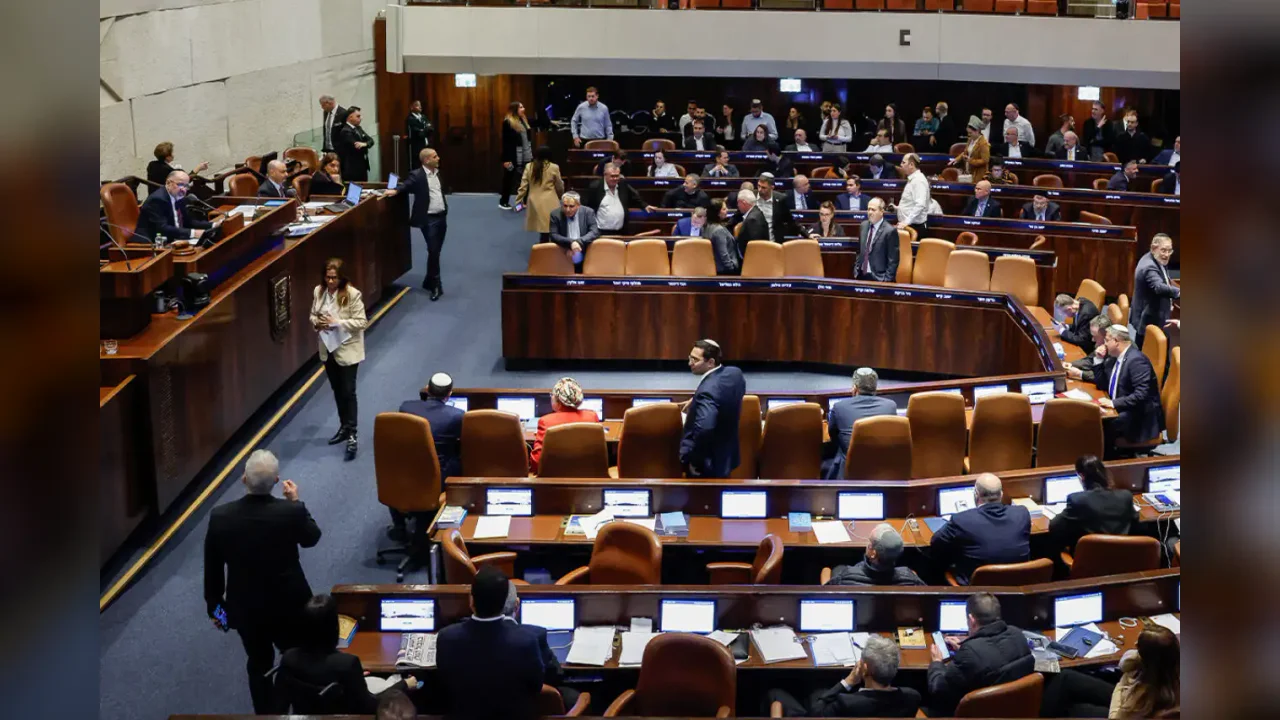
The Shas party submitted a new bill proposing to freeze the arrests of military-eligible individuals who fail to report for service until a new government is formed. The legislation sets the stage for a complex political dilemma for opposition and center-left leaders amid ongoing coalition negotiations.
According to the proposed bill introduced by party lawmakers, the arrest of draft-eligible individuals who have not yet commenced service due to non-appearance will be suspended until a new administration is established. The initiative follows a ruling by the Knesset Legal Advisor determining that comprehensive regulation of the military draft requires a government-sponsored bill. Because a transitional caretaker government cannot advance governmental legislation on the matter, Shas demands a halt to enforcement and arrests until a newly formed government can enact proper legislative measures.
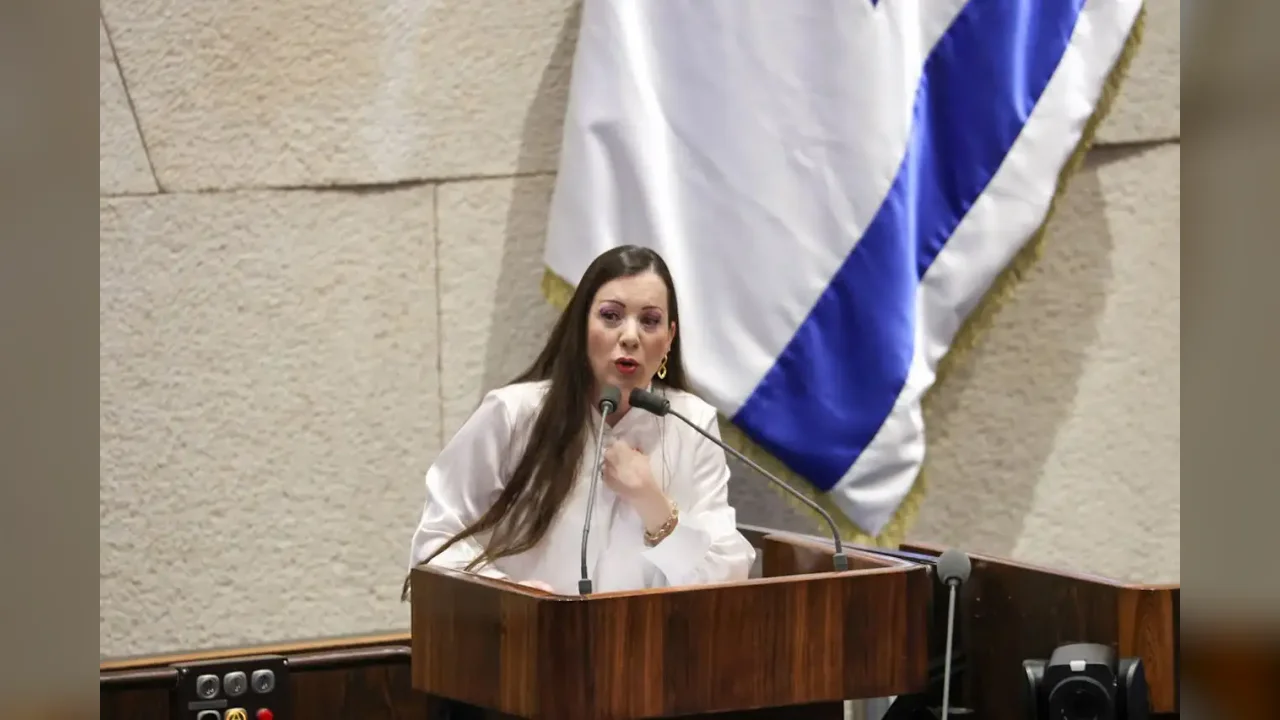
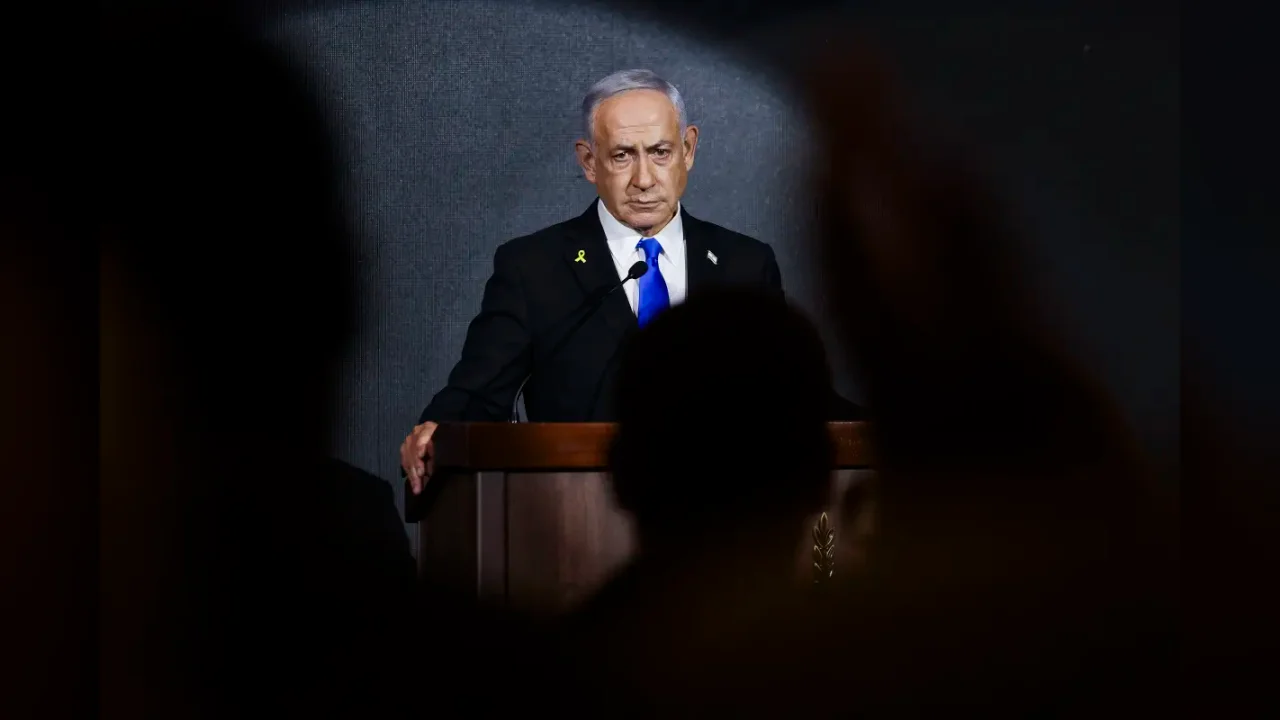
Shas Chairman Aryeh Deri strongly condemned the ongoing arrests and criticized the political campaigns surrounding the issue, stating that the state should not continue to detain yeshiva students and deprive them of their liberty while the parliament is restricted from completing legislative solutions.
"It is now clear to everyone that the persecution of Torah scholars was part of a cynical political campaign, and that resolving this issue will happen only through agreement. The time has come to stop the torment of an entire public and the division within the nation."
Political analysts note that the legislative proposal presents a significant dilemma for opposition leaders including Gadi Eisenkot, Yair Lapid, Naftali Bennett, and Avigdor Lieberman. While these figures have consistently criticized draft exemptions, they are currently attempting to build a parliamentary majority while avoiding a direct confrontation with ultra-Orthodox parties.