Knesset Advances Preliminary Bill to Repeal Shlomo Karhi Communications Law
The Knesset approved a preliminary bill to repeal the controversial communications law promoted by Minister Shlomo Karhi, sparking sharp debate between opposition and government lawmakers over media freedom and market reform.
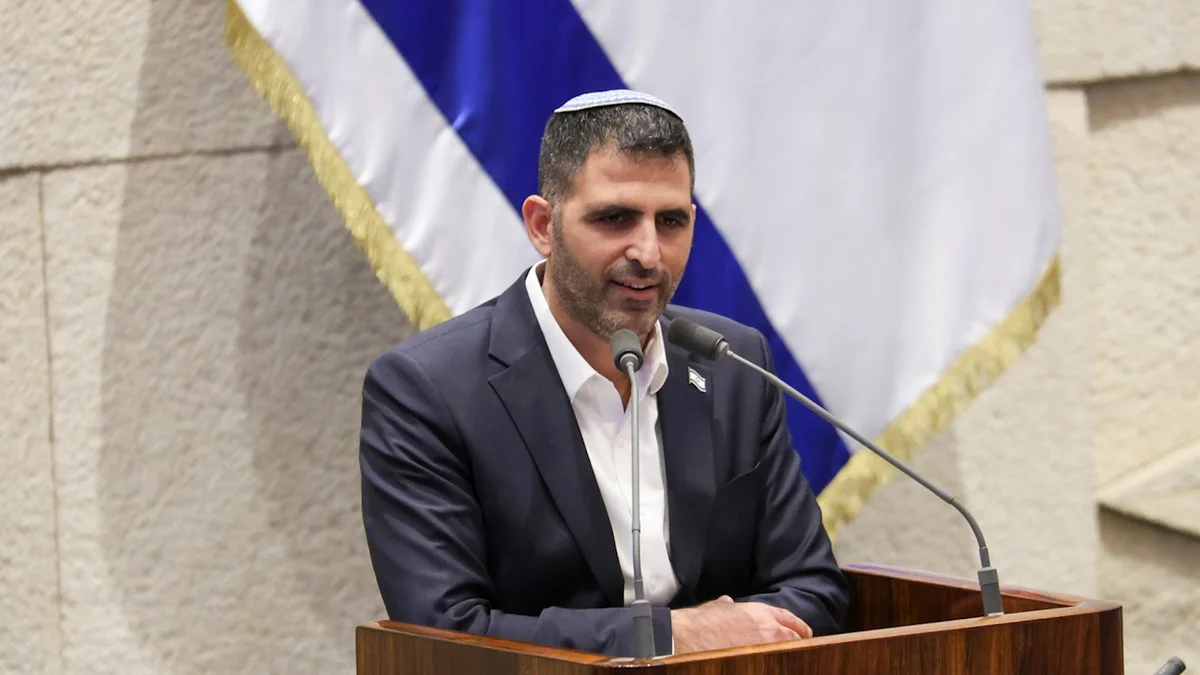
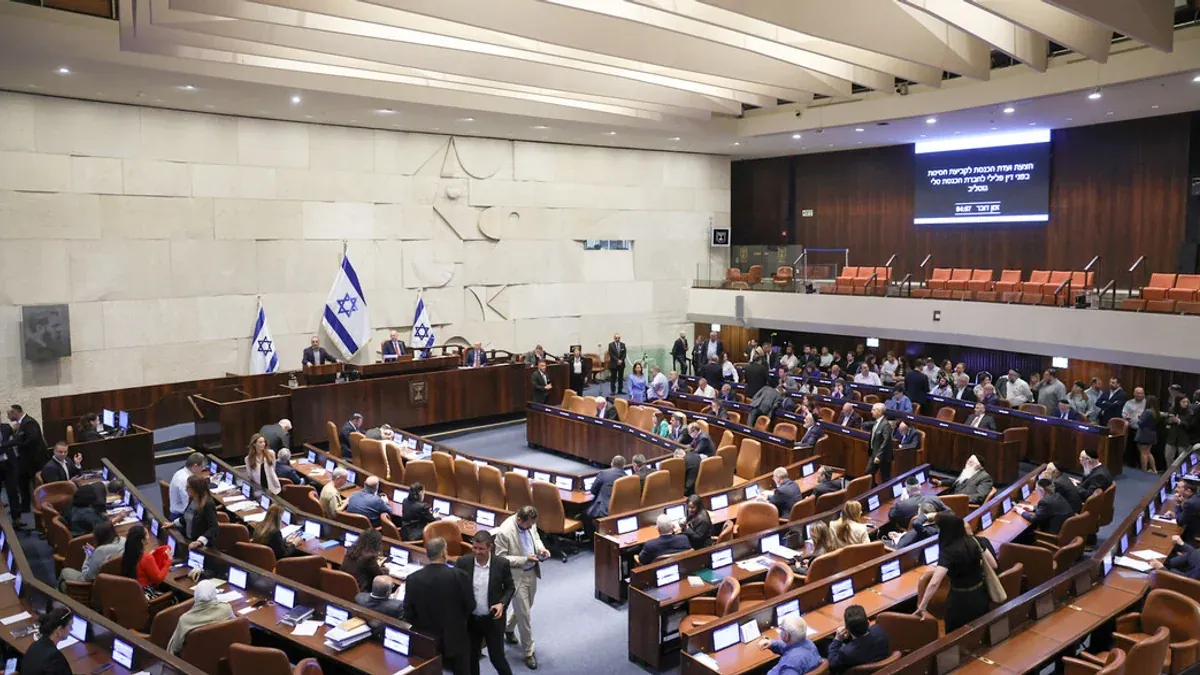
The Knesset plenum approved in a preliminary reading a bill aimed at repealing the controversial communications law previously promoted by Minister of Communications Shlomo Karhi.
The legislative initiative sparked sharp debate in the parliament, with opposition lawmakers criticizing the original legislative process and the current administration's media policies. Former Minister of Communications MK Eitan Ginzburg strongly condemned the previous legislative push during the Knesset session.
Parliamentary Debates and Opposition Arguments
Addressing the plenum, MK Ginzburg argued that the legislative process under the previous parliamentary term represented a severe blow to democratic norms and media independence in Israel.
"The legislative procedure we witnessed in the previous Knesset was the worst in Israel's history, a display of bullying by a minister who decided he is the government, the parliament, and the law itself," Ginzburg stated from the podium.
Ginzburg added that while the broadcasting market requires structural reforms suited for the digital era rather than tools from the 1990s, such changes must be carried out through proper staff work, legal opinions, and regular committee deliberation rather than expedited legislation.
Government Response and Defense of Reform
In response to the opposition's legislative push to cancel the communications law, Minister of Communications Shlomo Karhi accused proponents of attempting to suppress alternative viewpoints and preserve established monopolies.
"They are afraid of the truth! They are afraid of transparency! There are those who do everything to preserve the old centers of power and silence voices that do not align with those who ruled the Israeli communications market for years," Karhi responded.
Karhi asserted that the opposition's actions constitute an attempt to silence public figures and avoid true market competition, vowing to continue advancing reforms that open the sector and return influence directly to the public.