Netanyahu and Likud Voted Alongside Arab Parties Hundreds of Times in Opposition
Data reveals that Prime Minister Netanyahu and senior coalition members voted hundreds of times alongside Arab parties in opposition, mirroring criticisms they currently level.
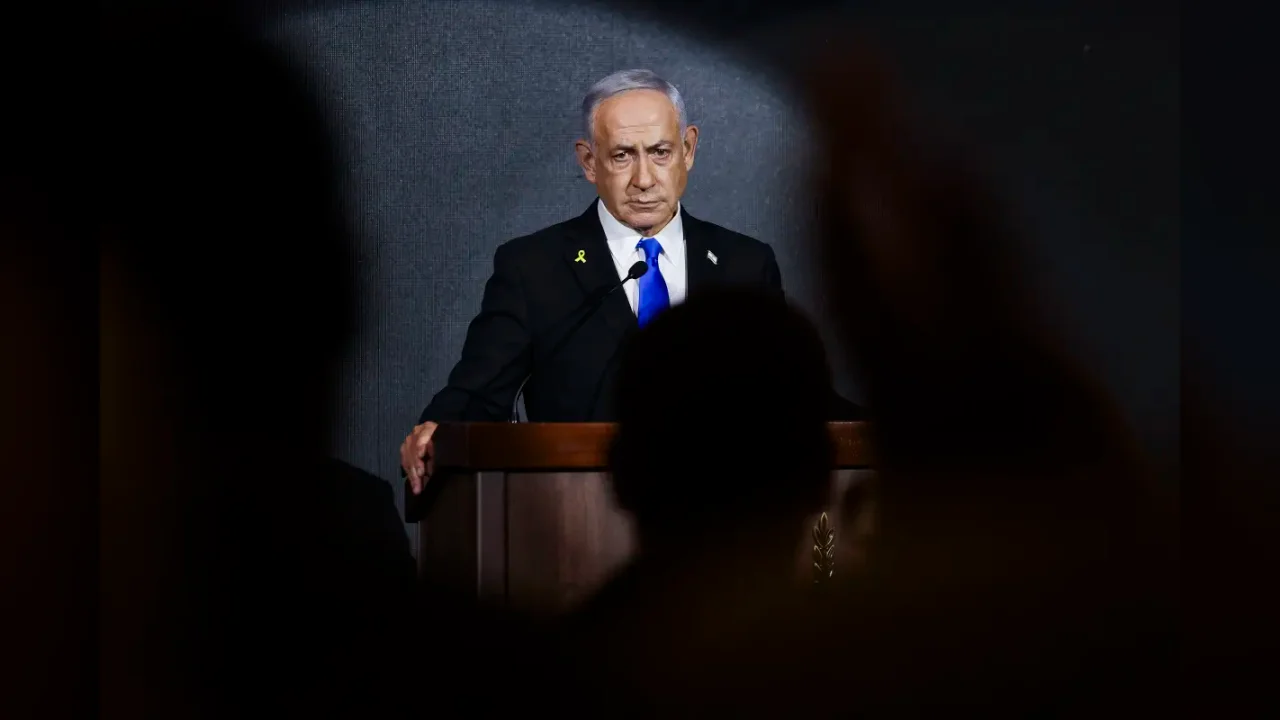
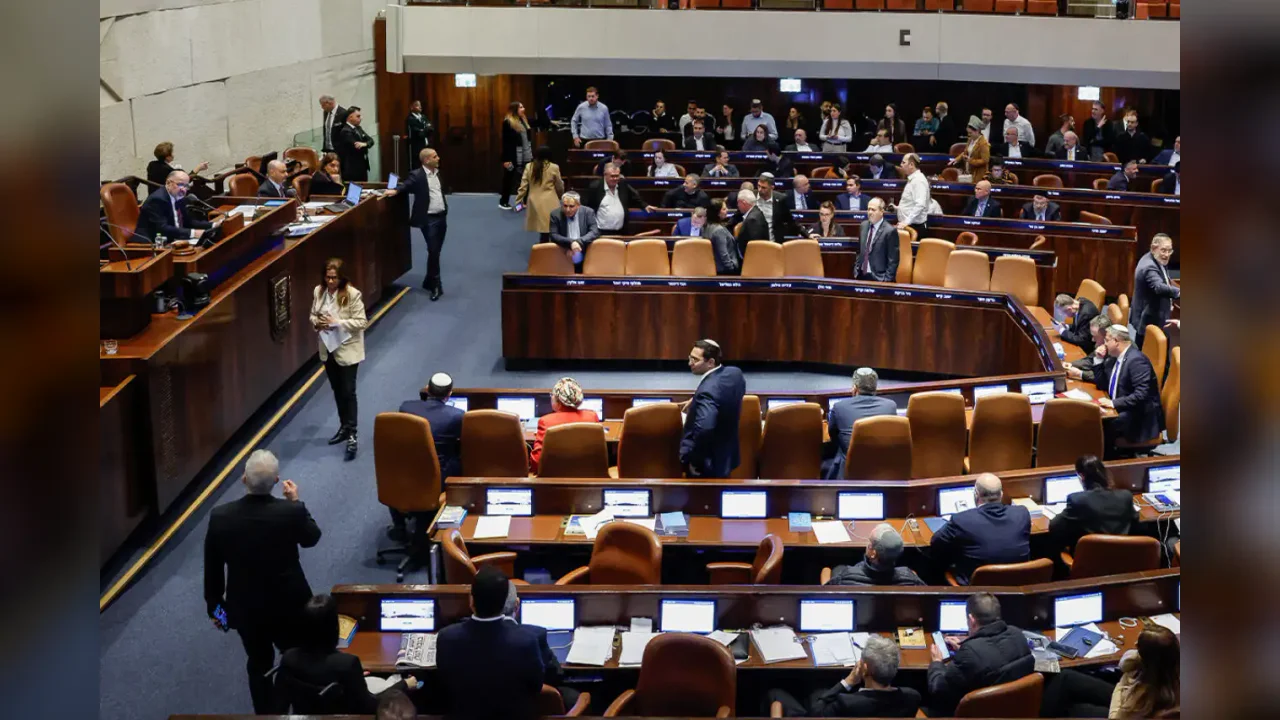
Prime Minister Benjamin Netanyahu and members of his political bloc have sharply criticized the parliamentary cooperation between rival factions and Arab parties in the Knesset. However, data from parliamentary records during the 24th Knesset under the former Bennett-Lapid government reveal that Netanyahu and senior Likud figures voted alongside Arab parties hundreds of times while serving in the opposition.
Parliamentary Records and Joint Votes
According to findings examining voting patterns from that legislative term, Benjamin Netanyahu cast 771 votes alongside Arab parties during his tenure as opposition leader. Out of these hundreds of joint votes, 40 dealt specifically with security, military, and home front defense matters. For instance, in December 2021, during votes on the Defense Service Bill regarding the deployment of former soldiers to police and prison service roles as a temporary order, Netanyahu and opposition members voted against the legislation alongside lawmakers from the Joint List (Hadash-Ta'al).
Other senior coalition figures recorded similar voting overlaps during the same period. MK Ofir Katz voted alongside Arab lawmakers in 921 divisions, including 41 votes on security topics. Finance Minister Bezalel Smotrich participated in 830 joint votes with Arab MKs, while National Security Minister Itamar Ben-Gvir recorded 802 such votes. In October 2021, Smotrich voted in favor of a private bill presented by MK Yaakov Litzman to grant women exemptions from military service, aligning with Arab MKs Ahmad Tibi and Sami Abu Shehadeh.
Legislative Context and Coalition Opposition
An analysis of the parliamentary record indicates that these joint votes primarily encompassed opposition to government-sponsored bills advanced by the Bennett-Lapid administration, as well as joint support for private bills and reservations. Key figures within the right-wing bloc and Arab parliamentarians united against governmental measures such as the extension of the Citizenship Law, emergency regulations in Judea and Samaria, delays to the shortening of compulsory military service, and the integration of seminary students alongside the deployment of former soldiers to law enforcement agencies.
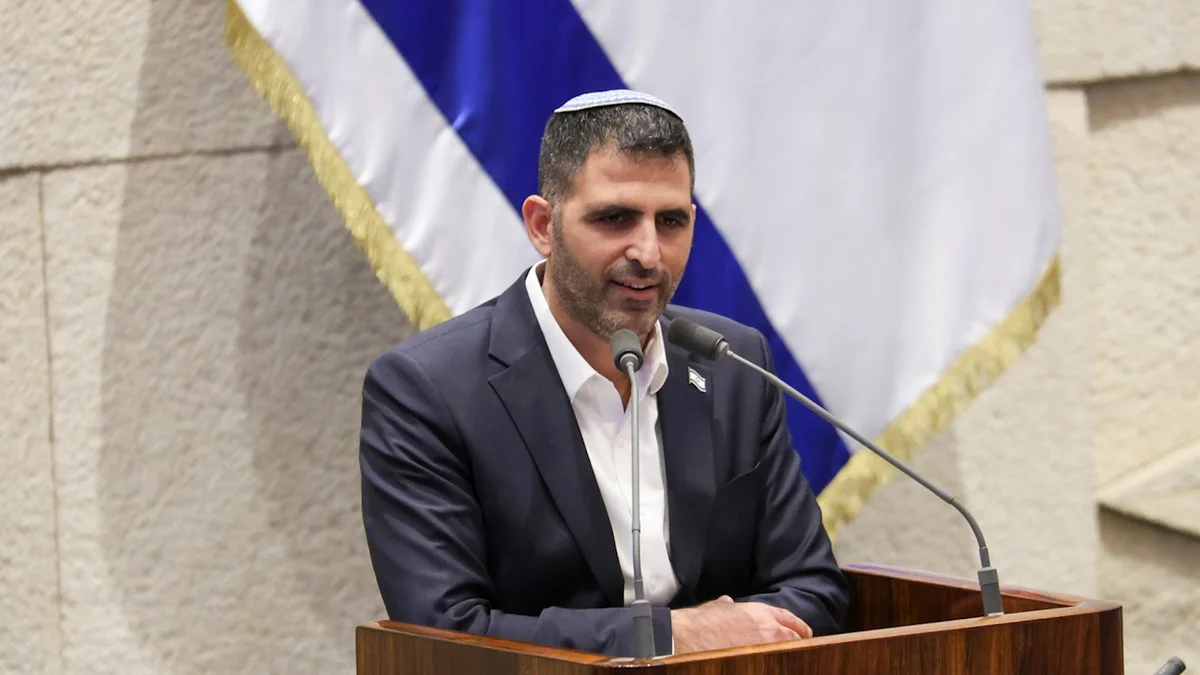
In January 2022, during a series of parliamentary votes regarding the clearance of minefields, Arab lawmakers from the Joint List and Ra'am voted in favor of various bill clauses and reservations, supported by Likud and Religious Zionism members including Benjamin Netanyahu, Itamar Ben-Gvir, Shlomo Karhi, Israel Katz, and Ofir Katz. Furthermore, Likud previously supported the appointment of MK Ahmad Tibi as Deputy Speaker of the Knesset during political negotiations, a post Tibi held for 16 consecutive years between 2006 and 2022, spanning multiple administrations led by Netanyahu.