Shas Leader Aryeh Deri Launches Internal Probe Following Election Defeat
Shas leader Aryeh Deri has launched an internal inquiry into the party's crushing electoral defeat, demanding a candid examination of its losses and ideological drift after its Knesset seats were cut in half.
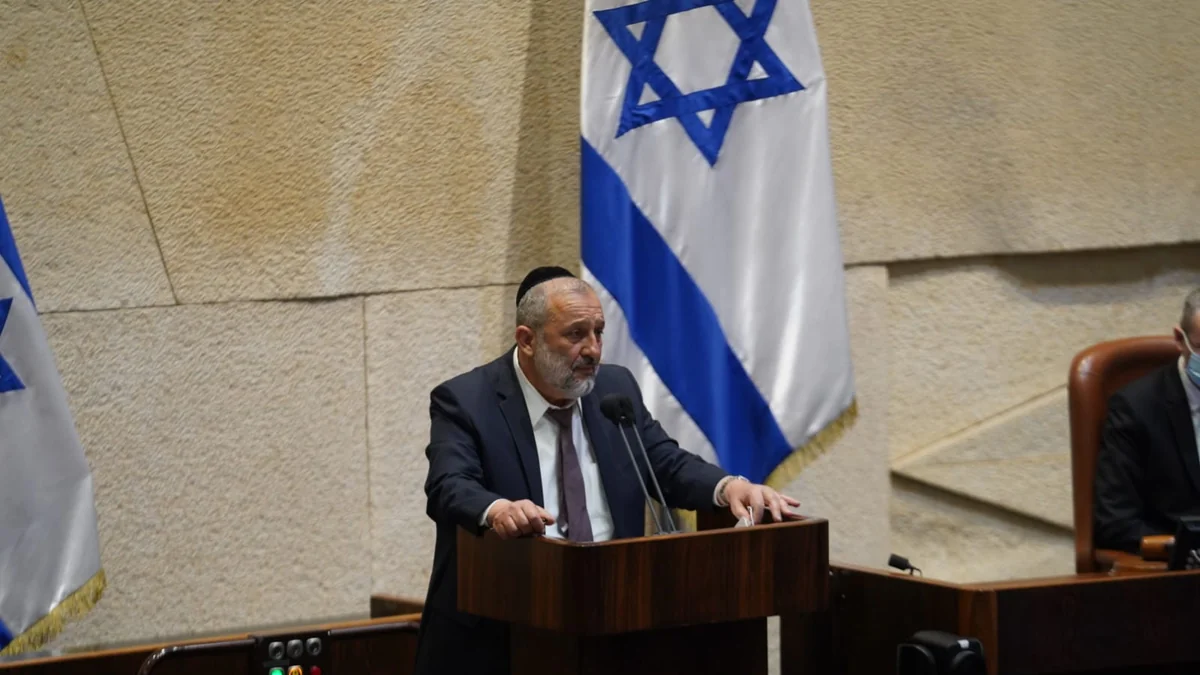
Shas is licking its wounds following a crushing defeat in the recent Knesset elections, which saw the party's parliamentary strength cut by roughly half. In response, party leader Aryeh Deri has initiated an internal probe to examine the causes of the failure and chart a path toward rehabilitation.
Last week, Deri convened party representatives and municipal officials, tasking them with submitting detailed data on local election results within a week, alongside a candid analysis of the decline in voter support. Deri stressed that he does not want reports that sugarcoat reality or gloss over the magnitude of the setback. Instead, he demanded the harshest and most painful conclusions, arguing that only a genuine confrontation with the causes of the defeat will enable the movement to recover.
Dubbed an internal commission of inquiry, the process aims to understand how one of the most efficient electoral machines in Israeli politics suffered such a severe blow. For years, Shas's grassroots network was considered one of its greatest assets, relying on an extensive web of activists across nearly every city. Ironically, this very mechanism is now being deployed to analyze the collapse rather than mobilize voters.
Internal party critics suggest the roots of the crisis extend far beyond a single campaign. Insiders note that the party shifted heavily toward the ultra-Orthodox right, alienating its traditional, moderate base. As one party source noted, attempts to appeal to traditional voters with late-campaign videos featuring soldiers came too late to repair years of ideological drift, leaving Deri with the complex task of reclaiming traditional constituents without alienating the ultra-Orthodox core.