Jerusalem's Future at Stake as Israeli Parties Enter Coalition Talks
Following the 26th Knesset elections, Israeli parties outline contrasting visions for Jerusalem, addressing the capital grant, economic growth, Temple Mount access, and core educational curricula in coalition talks.
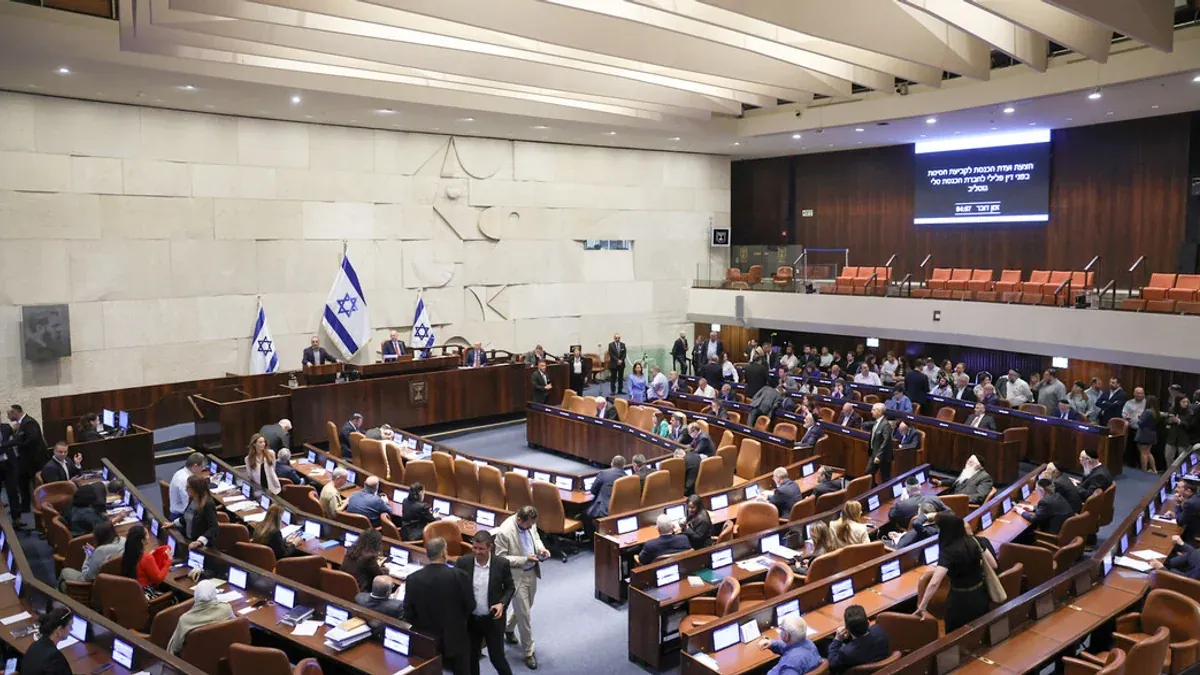
Following the 26th Knesset elections, Yashar! leader Gadi Eisenkot received the mandate to form a government from President Isaac Herzog, setting the stage for crucial coalition negotiations. Unlike previous electoral cycles, Jerusalem did not feature as a central bargaining chip, overshadowed by security challenges, conscription debates, and the judicial overhaul.
Party Platforms on Jerusalem's Future
Despite its low profile during the campaign, parties across the political spectrum hold sharply contrasting visions for the capital, addressing issues ranging from negative migration and Temple Mount access to government grants and economic independence.
-
Likud: Operating without an updated platform, Likud champions a united Jerusalem, continued construction in the eastern sector, and the preservation of the status quo on the Temple Mount. Prime Minister Benjamin Netanyahu has historically championed the capital's status internationally, though critics point to underlying tensions.
-
Yashar!: Gadi Eisenkot's party advocates for a united Jerusalem and the preservation of the Temple Mount status quo without provocative measures. It proposes replacing the traditional capital grant with a multi-year development contract tied to performance metrics, alongside tackling negative migration through affordable housing and tech sector growth.
-
BeYachad: The party views Jerusalem as the undisputed capital, demanding the relocation of foreign embassies and the closure of foreign missions dealing with the Palestinian Authority. It advocates for fiscal independence from government grants, strict core curriculum conditions for educational funding, and transferring policing powers to municipal authorities.
-
The Democrats: Aiming for a progressive, free, and prosperous capital, the party supports maintaining the Temple Mount status quo and curbing nationalist crime. It proposes developing independent economic growth engines and retaining young residents by promoting cultural and leisure activities on Saturdays.
-
Otzma Yehudit: Advocating for full sovereignty and expanded construction, the party supports raising the Israeli flag on the Temple Mount and removing inciters. To counter negative migration, it proposes expanding municipal boundaries toward Givat Ze'ev and Gush Etzion while conditioning funding on core curricula and state loyalty.
-
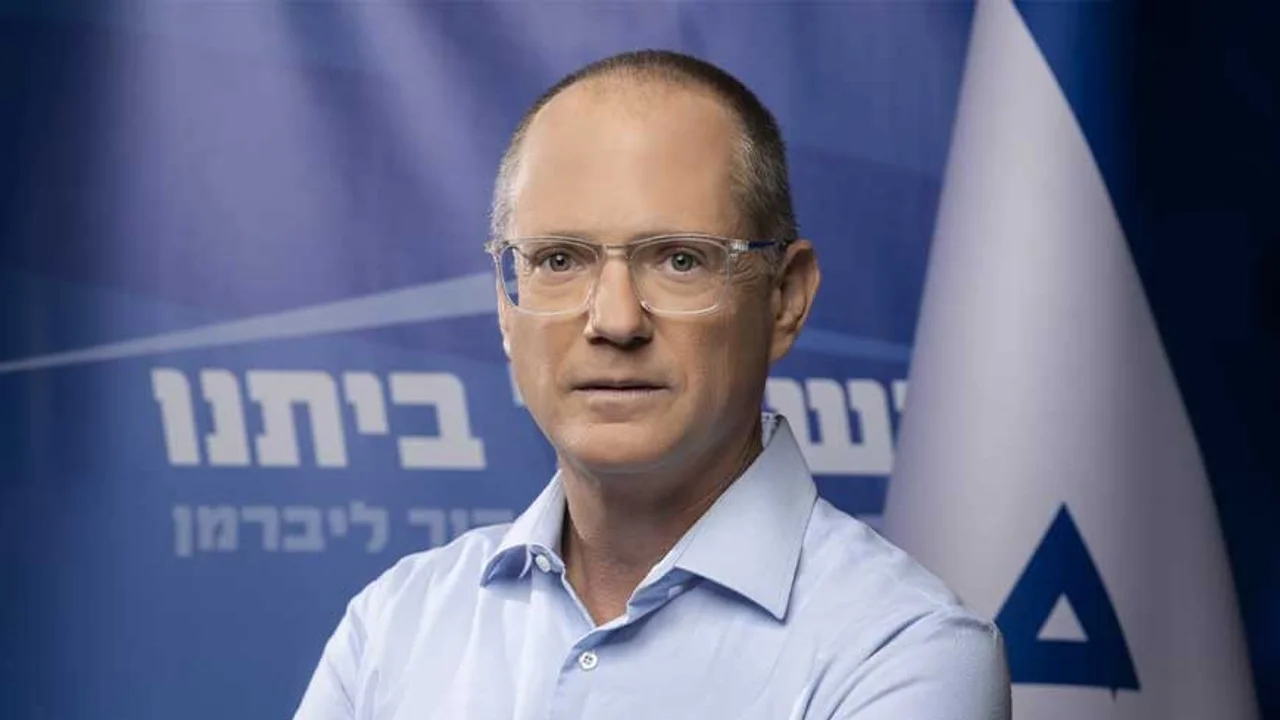
Yisrael Beytenu: Led by Avigdor Liberman, the party demands active enforcement and construction in the E1 corridor to connect Ma'ale Adumim to Jerusalem. It proposes boosting revenues through high-tech and tourism, alongside permitting businesses to operate on Saturdays under a live-and-let-live approach.