US Senator Abdul El-Sayed Slams Benjamin Netanyahu at Washington Summit
Elected US Senator Abdul El-Sayed criticized Prime Minister Benjamin Netanyahu at a Washington summit, opposing unconditional military aid and calling for accountability.
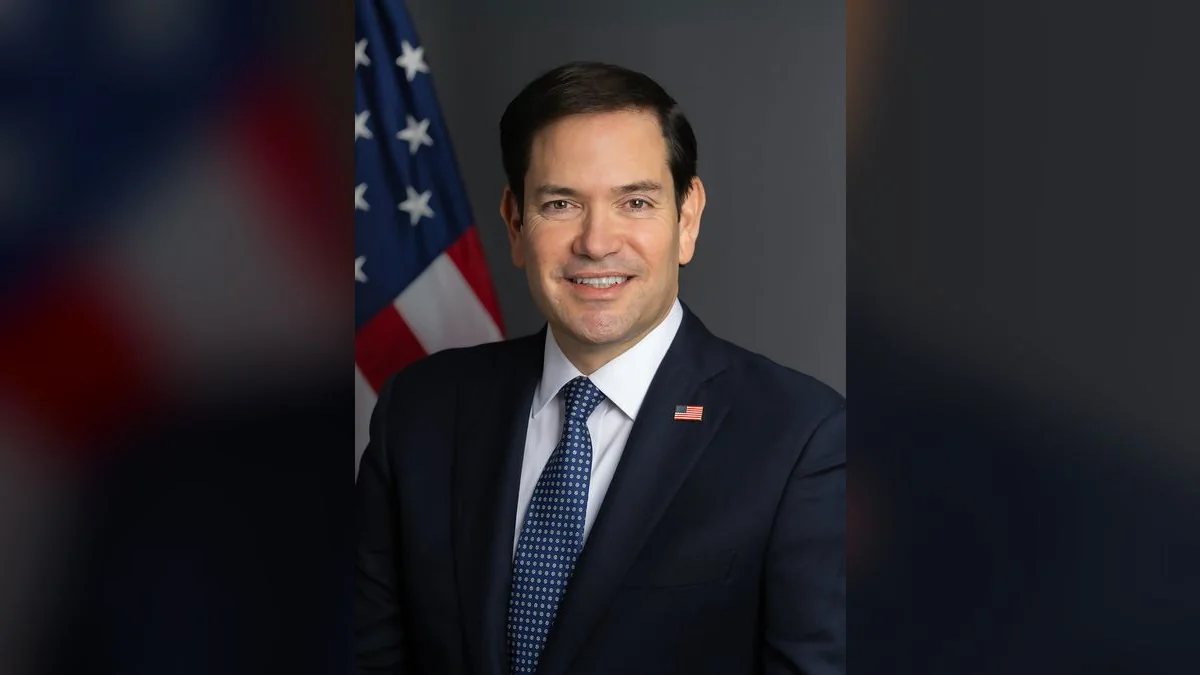
Newly elected Democratic Senator Abdul El-Sayed of Michigan launched a scathing critique of Israel and Prime Minister Benjamin Netanyahu during an appearance at The Atlantic Summit in Washington. Speaking with magazine journalist Jonathan Lemire, El-Sayed addressed whether he would cooperate with a future Israeli leader and how a change in leadership might affect his stance on American foreign assistance. He firmly stated his opposition to unconditional military aid, emphasizing that his policy applies universally rather than exclusively to Israel.
El-Sayed asserted that foreign military assistance should be subject to strict conditions across the board.
"I do not believe we should be engaged in unconditional foreign military assistance to any country. That is true for Egypt, for Saudi Arabia, for Jordan, Pakistan, and Israel. These principles do not change regardless of who leads Israel."
Turning his focus to accountability, El-Sayed leveled severe accusations against both the Israeli premier and Washington policymakers. He explicitly labeled Prime Minister Benjamin Netanyahu a war criminal and argued that anyone who facilitated his actions must face justice. Furthermore, he criticized United States involvement, claiming that American backing made the nation complicit in widespread casualties. He cited an estimated death toll of 70,000 individuals, asserting that at least half of the victims were children.
Vision for Equality and Future Governance
Addressing the political structure of the region, El-Sayed described the potential inclusion of an Arab party in a future Israeli governing coalition as a significant test case. When pressed on his ideal vision for the state, he argued that it should guarantee equal rights for all citizens without identifying with a specific faith or culture. Regarding territorial arrangements and a final settlement, the senator maintained that the exact framework—whether a two-state solution, a single state, or another configuration—should be determined mutually by Israelis and Palestinians.
Concluding his remarks, El-Sayed addressed accusations that his sharp criticisms might stoke fears of antisemitism among Jewish communities. He distinguished between personal discomfort and genuine safety concerns, arguing that demanding silence in the face of massive devastation reduces the humanity of Palestinians. He insisted that legitimate outrage over civilian casualties and the destruction of infrastructure must not be suppressed under the guise of security concerns.