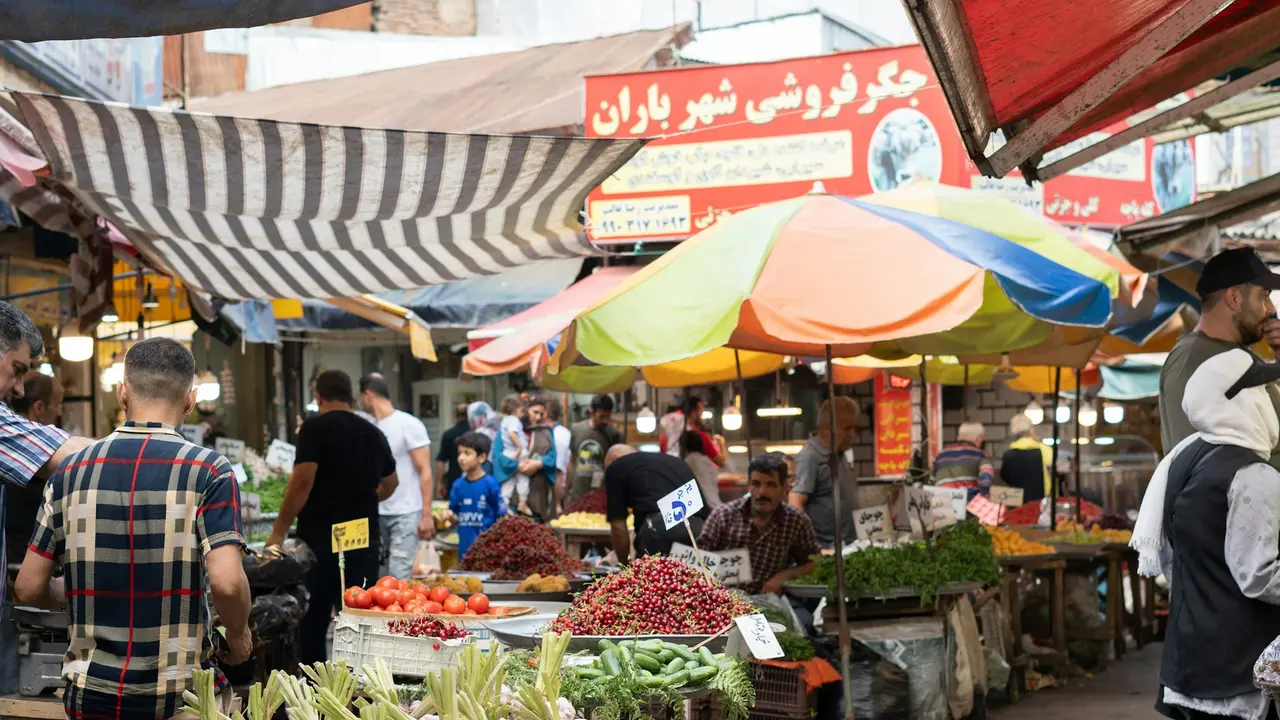
Inside the Strait of Hormuz: High Tensions and Smuggling Routes
Journalist Yitzhak Horovitz provides a rare glimpse into the Strait of Hormuz, detailing heightened US-Iran maritime tensions, protected cargo routes, and local smuggling.
Stretching across serene waters and dramatic coastal landscapes, the Strait of Hormuz remains one of the world's most volatile geopolitical flashpoints, handling approximately one-fifth of global oil supplies. While the region presents a picturesque facade reminiscent of a Mediterranean haven, it has transformed into a high-stakes maritime theater where strategic friction between Iran and the United States continuously threatens international trade.
Journalist Yitzhak Horovitz journeyed to the region to document daily realities along this vital trade artery. Operating from the Omani side of the straits following a journey through the United Arab Emirates to the Musandam Peninsula, Horovitz captured a tense maritime environment defined by hidden Iranian tankers and heavily escorted commercial vessels.
Maritime Escorts and Hidden Tankers
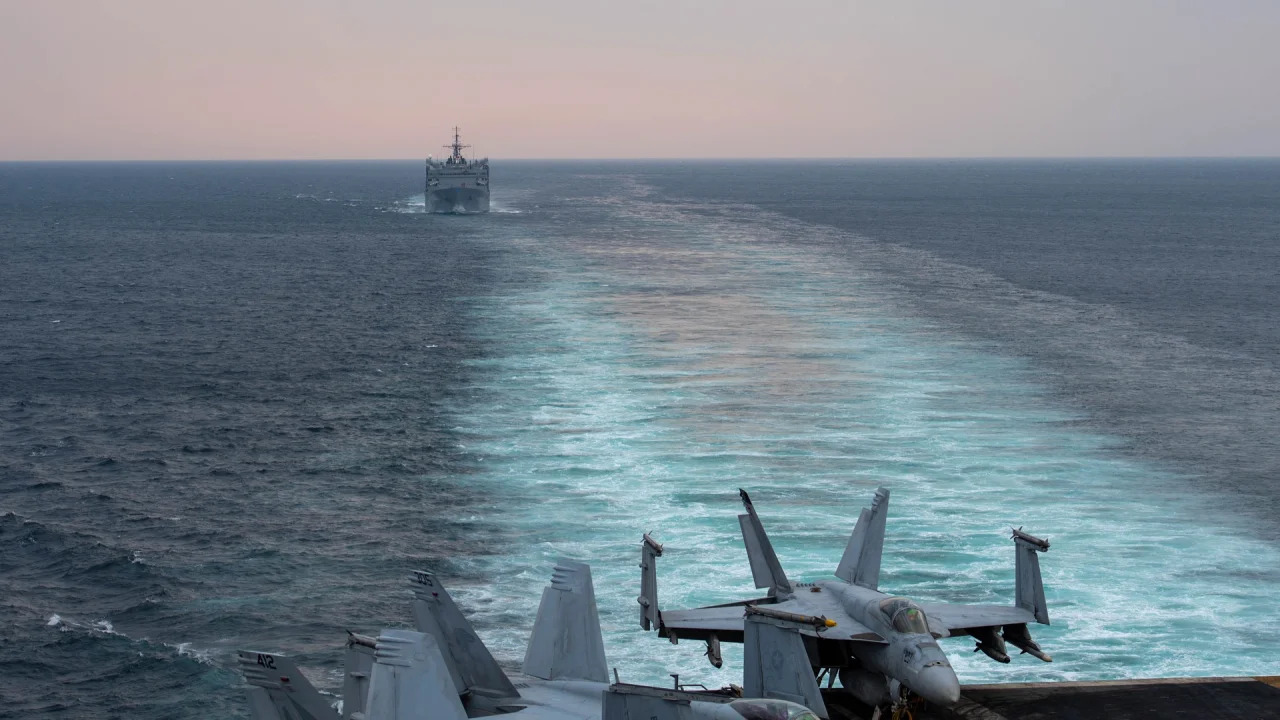
Navigating the narrow channel reveals a stark division between opposing forces and commercial traffic. Iranian vessels frequently hug the coastline, seeking shelter within secluded bays to avoid direct confrontation, while international cargo carriers rely heavily on protective escorts from United States warships to safely transit the corridor.
"You see Iranian tankers stationed closer to the land, hiding in bays to avoid attacks, while commercial carriers from destinations like Dubai or Qatar find themselves stalled in the middle of the gulf, flanked by American warships providing protection," Horovitz recounted.
This security crisis has fundamentally displaced the tourism industry that once flourished across the pristine shores, driving away affluent visitors from the Gulf monarchies.
The Shift to Smuggling Economies
Local maritime activity is heavily sustained by the Kumzari people, an ethnic minority inhabiting both the Omani and Iranian shores of the strait. With family ties spanning the waters and a speedboat crossing taking barely an hour, these communities historically relied on fishing, legal trade, and tourism.
However, mounting regional tensions and strict international sanctions have grounded large fishing fleets, forcing residents to pivot toward covert commercial operations.
- Legal Imports to Illicit Trade: Traditional import channels have collapsed, replaced entirely by cross-border smuggling.
- Geographic Proximity: Close familial networks and short transit routes facilitate continuous movement across the maritime border.
- Tacit Toleration: Omani authorities largely overlook small-scale smuggling operations that weave between the massive international naval patrols.
This dynamic creates surreal encounters on the open water, where heavily armed Omani missile corvettes cross paths with overloaded local smuggling boats transporting livestock directly from Iranian ports under the watchful eyes of major global powers.