University of Michigan Faculty Backs Activists Facing Charges in Jewish Targeting
The University of Michigan faculty senate voted to financially support anti-Israel activists facing federal charges for vandalism, harassment, and intimidation of Jewish institutions.

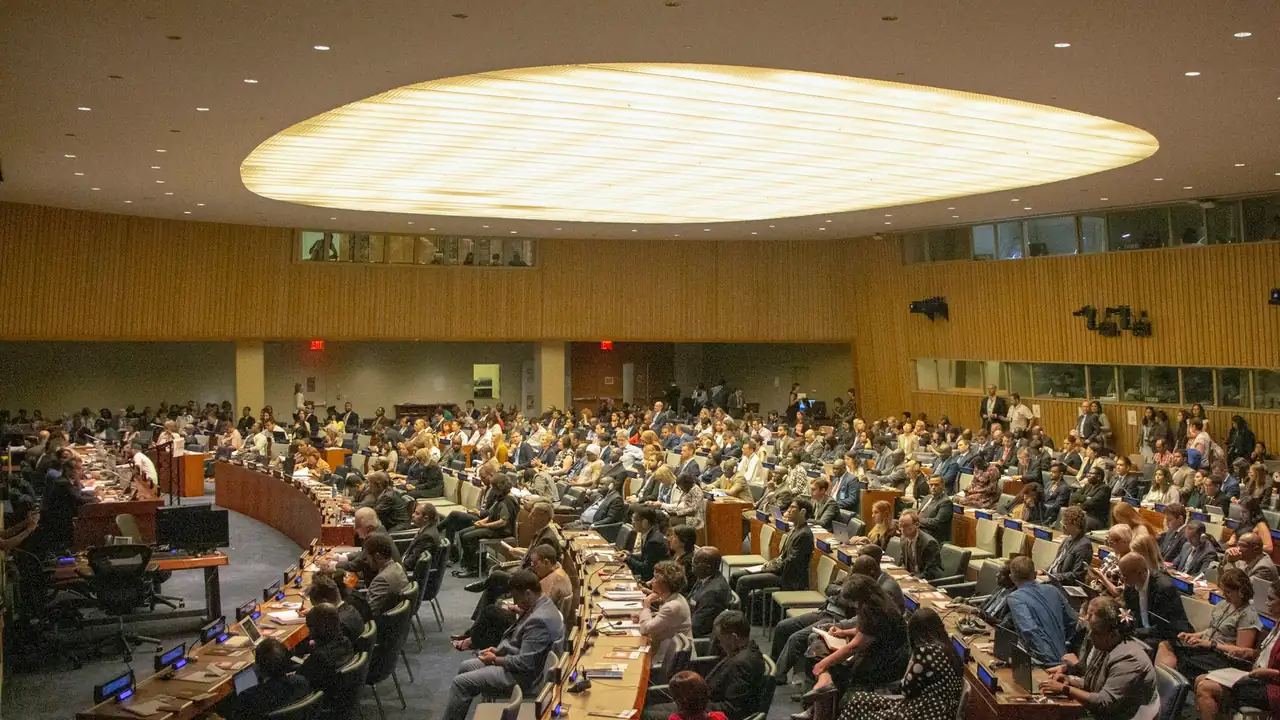
The faculty senate at the University of Michigan has approved a contentious resolution offering financial and legal support to anti-Israel activists facing federal charges for a coordinated campaign of intimidation, harassment, and property destruction directed against Jewish institutions and individuals. The measure urges faculty members to contribute personally to the legal defense fund of the defendants, which has already raised more than 150,000 US dollars. The vote, passing with 1,042 in favor, 747 against, and 636 abstentions, expresses solidarity with the defendants—initially dubbed the "Michigan Eight" before the indictment expanded to 12 individuals. Faculty sponsors characterized the federal charges as heavily inflated, alleging cooperation between federal authorities and the university administration to suppress pro-Palestinian protest.
Escalating Charges and Federal Indictments
The controversy intensifies as the federal investigation uncovers further alleged offenses. The United States Department of Justice announced an additional indictment against 23-year-old Zeinab Hakim, identified as a central figure in the conspiracy. According to prosecutors, Hakim attempted to destroy a laptop computer when federal agents arrived at an apartment she shared with co-defendant David Makin-Shapiro to execute an arrest warrant, allegedly seeking to obstruct evidence preservation. This new charge of evidence tampering and committing an offense while on release joins ten existing felony counts against the defendants, whose ages are primarily in their twenties.
Campaign of Intimidation and Vandalism
Federal indictments outline a systematic campaign originating after the October 7 Hamas massacre, aimed at compelling the university administration and commercial entities to sever ties with Israel. When initial demands went unmet, activists allegedly transitioned to autonomous actions, including occupying campus buildings, blocking entrances, and targeting Jewish facilities. A notable incident occurred on October 7, 2024, the first anniversary of the Hamas attack, when the Jewish Federation of Metropolitan Detroit building was vandalized. Inverted red triangles—used in Hamas propaganda videos to denote targets—were spray-painted across the facility, alongside anti-Israel graffiti and obscured security cameras.
Investigators state that the group utilized encrypted messaging channels to track residential addresses, gather personal data on targets, and plan physical assaults. Transcripts detailed in court filings from May 2024 reveal discussions among defendants regarding torture, intimidation, and violence, including one participant writing that they would slowly poison a targeted Jewish woman. Additional incidents included shattering windows, blocking doors, deploying butyric acid glass jars, leaving threatening letters, and placing a mock mass grave outside a senior university official's residence.
Community Outrage and Institutional Response
The Detroit Jewish Federation expressed profound shock and outrage over the faculty senate's decision to support individuals linked to attacks on Jewish communal infrastructure. Leaders emphasized that while peaceful protest is constitutionally protected, targeted home invasions, threats against families, and vandalism cross the line into violent criminality. The resolution was initiated by Professor Adi Saleem, teaching in Romance languages and Judaic studies, alongside four colleagues, and articulates a vote of no confidence in campus leadership.
University officials strongly defended the security of Jewish students on campus while addressing the controversy. A university spokesperson reiterated that free speech and academic freedom remain foundational principles, but emphasized that threats, violence, discrimination, and targeted harassment have no place within the academic community.