Sderot and Northern Frontline Cities Maintain Strong Support for Likud
Despite the trauma of October 7 and prolonged wartime displacement, voters in Sderot, Kiryat Shmona, and Shlomi maintained strong electoral support for Likud and the right-wing bloc.

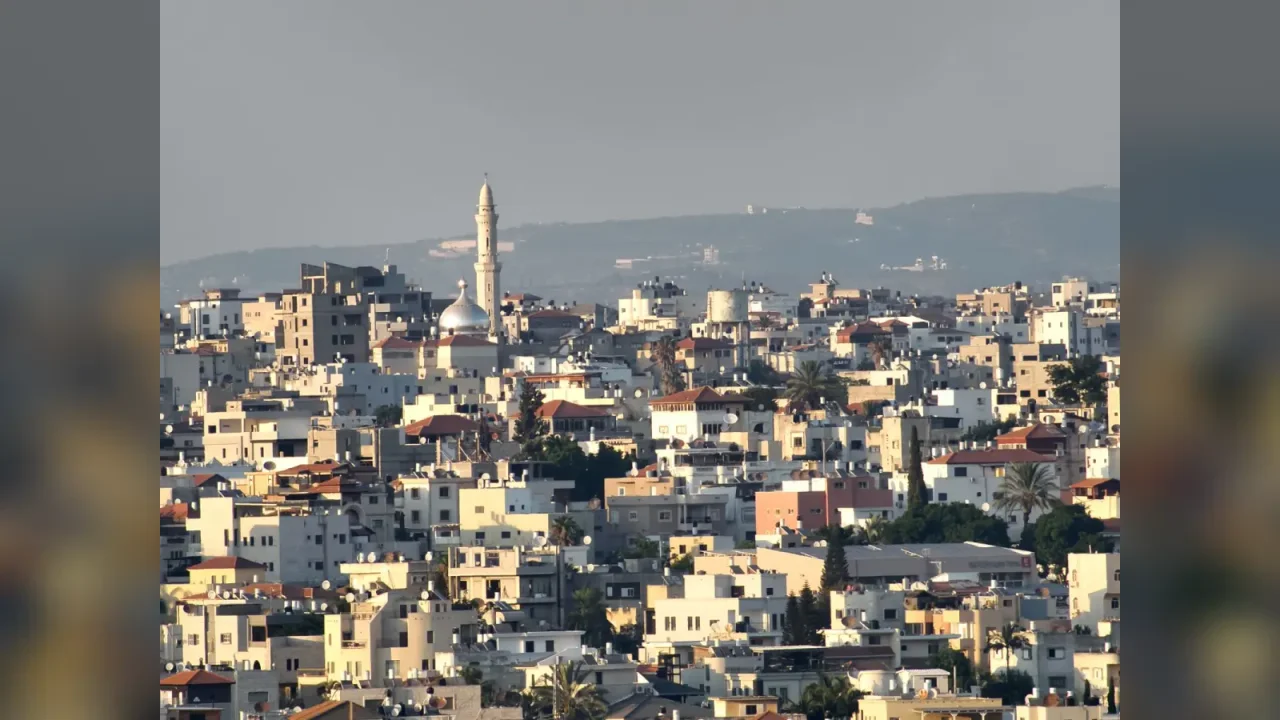
Despite the devastating trauma of October 7 and three years of ongoing conflict, Sderot continues to show strong loyalty to Likud. According to data from the Central Election Committee, voter turnout in the city reached approximately 72%, with 20,507 residents casting ballots out of 28,473 eligible voters. Preliminary results after counting 80.4% of the polling stations show that Likud leads with 39.1% of the vote.
While this represents a modest decline of about 2.4 percentage points compared to previous elections, Likud remains far ahead of all rival parties. Otzma Yehudit, led by Itamar Ben Gvir, secured second place with 16.8% of the vote, followed by the Religious Zionism list led by Bezalel Smotrich at 12.7%. Together, the three right-wing factions captured roughly 69% of the counted ballots, while parties associated with the change bloc garnered 17.4%.
Population growth in Sderot has been substantial since the outbreak of the war, with the city's demographic reaching approximately 40,000 residents. New neighborhoods have been established and families have returned, yet this influx has not altered traditional voting patterns. Local residents emphasize deep-rooted political allegiance despite acknowledging systemic failures and security lapses during the October 7 attacks.
A similar trend unfolded in northern frontline communities such as Kiryat Shmona and Shlomi. Despite prolonged evacuation, structural devastation, and severe wartime challenges, residents maintained strong support for Prime Minister Benjamin Netanyahu's party. In Kiryat Shmona, voter turnout remained stable at 62.1%, and Likud captured 48% of the vote. In Shlomi, turnout surged to 70.9%, and support for the ruling party climbed from 43.5% to 46%.
Sociological experts attribute these resilient voting patterns to deep collective trauma and security anxieties. Professor Nissim Leon of Bar-Ilan University explained that fear of external threats consistently supersedes other political considerations for voters in frontline regions. For these communities, national security and tribal political loyalty remain the paramount driving forces at the ballot box.