PFAS Soil Cleanup Threatens to Delay Major Sde Dov Housing Project
Israel has launched a soil decontamination pilot to treat carcinogenic PFAS pollution. The results will determine the construction pace of thousands of homes at Sde Dov, where contaminated soil is estimated at 200,000 tons.
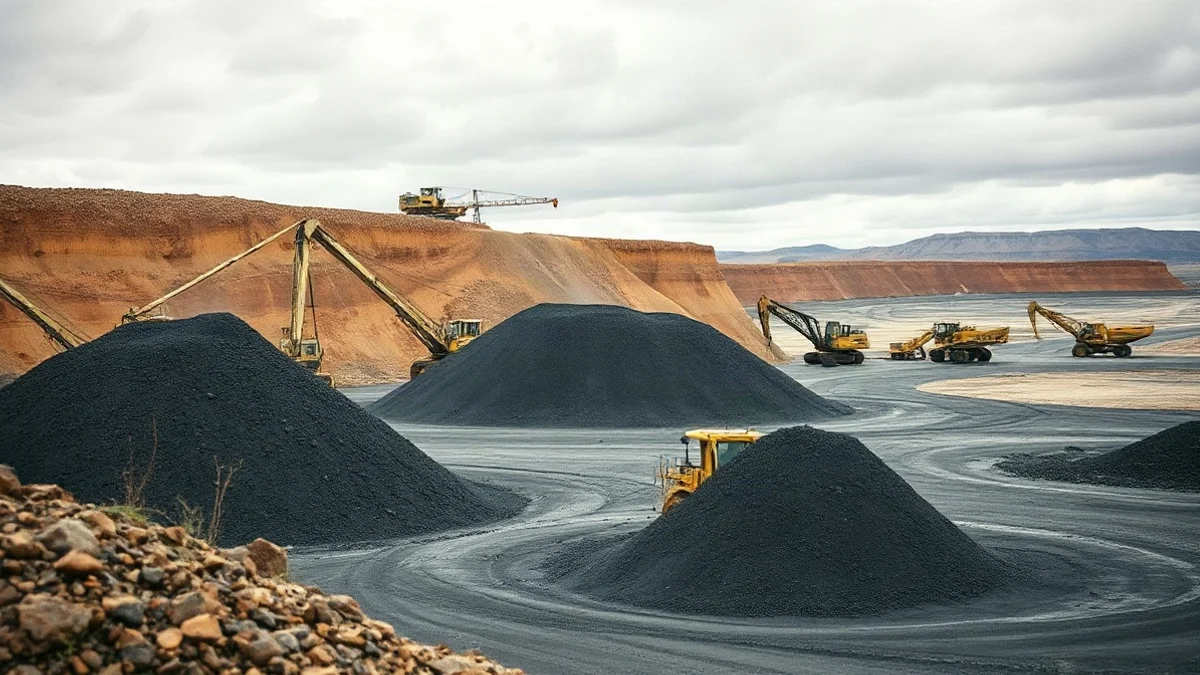
The State of Israel has launched a pilot project to decontaminate soil polluted with PFAS (per- and polyfluoroalkyl substances), the results of which will directly dictate the construction timeline at the former Sde Dov airport site in Tel Aviv. The pilot, involving 600 tons of soil, is being conducted on ground transported from the Eshkol power station in Ashdod, where PFAS contamination was also identified.
Various companies are testing several remediation techniques. One primary method is soil washing, executed by the firm Tivco. In this process, contaminated soil is mixed with large quantities of water and chemical agents to separate the pollutants. Upon completion, approximately 95% of the soil is cleared for reuse, while the remaining 5% containing the concentrated contaminant is sent to regulated landfills. The state strongly prefers soil washing and recycling over mass landfill dumping.
Toxic Legacy Threatens Housing Projects
In February, the Ministry of Environmental Protection discovered initial indications of groundwater contamination at Sde Dov, where thousands of residential units are currently under construction. PFAS compounds are highly resilient chemicals, commonly originating from fire-retardant foams, water- and oil-repellent products like Teflon, food packaging, and specialized textiles. PFAS is uniquely hazardous because it poses severe health risks even at extremely low concentrations.
Rotem Nesel, CEO of Tivco, stated:
"This is a highly carcinogenic substance, and I believe we are lagging tremendously behind the rest of the world in addressing it."
While Sde Dov's soil contamination accumulated over decades of airport operations, the Ministry of Environmental Protection initially approved the land marketing for residential development as clean, only recently testing for these specific pollutants. Industry estimates suggest that Sde Dov holds roughly 200,000 tons of contaminated soil.
Impending Construction Delays
The full extent of the Sde Dov contamination remains unknown. Every developer operating on Sde Dov plots will soon be required to conduct an extensive soil survey on their respective land. Future actions will be determined based on these findings and subsequent ministry guidelines. The ministry noted that the pollution in Sde Dov is highly widespread, affecting both soil and groundwater.
To prevent spreading the toxins, any removal of excavated soil from Sde Dov requires a special permit from the Ministry of Environmental Protection. While the exact duration of the soil remediation process is unclear, significant delays in construction are now inevitable.
If the pilot proves successful, other state lands marketed for residential development, such as the former Herzliya airfield, will undergo similar decontamination processes, likely delaying housing construction in those areas as well.