Israel Power Grid Faces Operational Challenges Amid Time Change
Israel's power grid faces economic challenges as standard time widens the gap between fading solar output and evening business demand, requiring energy storage solutions.
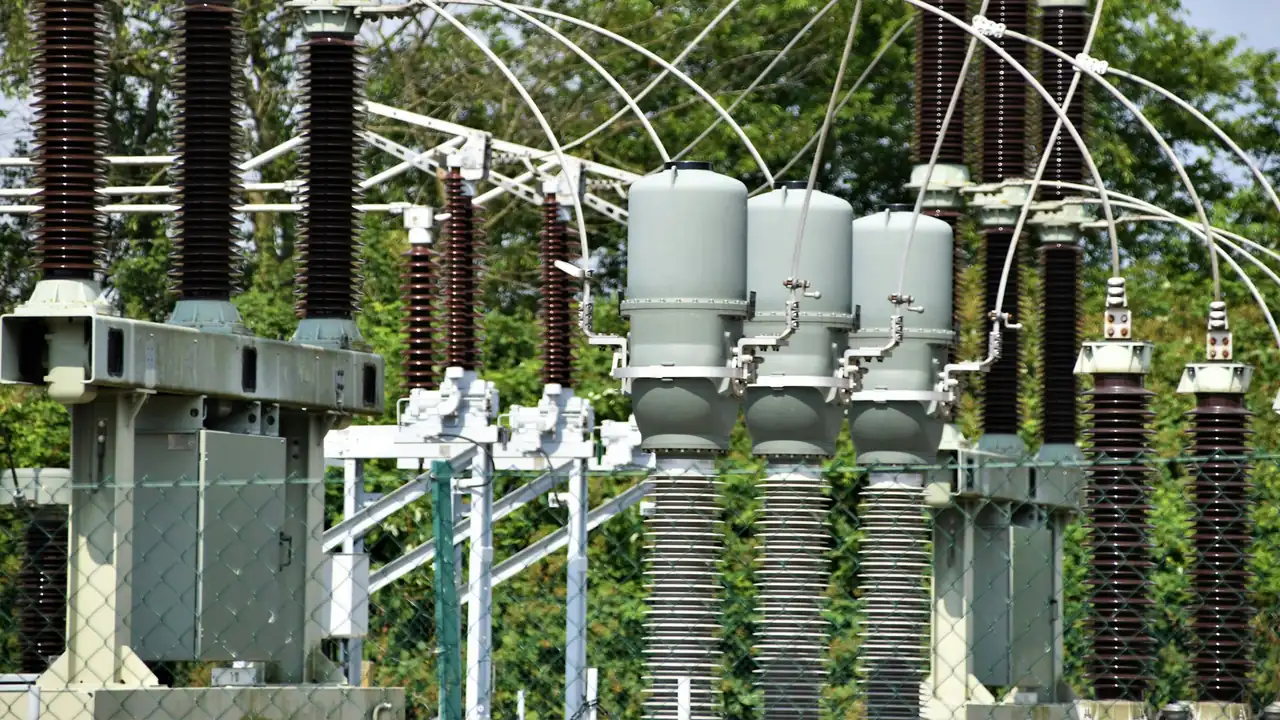
The transition to standard time poses a significant operational and economic challenge for Israel's power grid. A widening gap emerges between early-fading solar generation and the evening peak demand from the business and industrial sectors, forcing reliance on expensive fuels.
The electricity system faces mounting difficulties. While solar output peaks at midday, electricity demand remains tied to working hours. Early sunsets force the grid to rely on costly generation sources, such as natural gas and coal, precisely as solar production ceases.
According to data from nGrid, a supplier of electricity to businesses, distinct consumption patterns vary across sectors. While retail demand remains steady and high throughout the day, industry and agriculture experience two major demand peaks in the early morning and evening. Gaia Ofer, trade and regulation manager at the company, explained that the second demand surge occurs during hours when solar energy is unavailable.
The trend is expected to intensify with the introduction of data centers supporting artificial intelligence and the electrification of transport. The International Energy Agency estimates that global data center electricity consumption will double by 2030. Ofer emphasized that to prevent blackouts or astronomical costs, the solution requires deploying energy storage facilities and smart demand management, rather than merely building additional power plants.