Saudi Arabia Faces Major Setbacks as Sports Megaprojects and Budgets Shrink
Saudi Arabia faces mounting financial and geopolitical hurdles as multi-billion-dollar sports projects, including the Neom stadium and LIV Golf, are scaled back or liquidated.
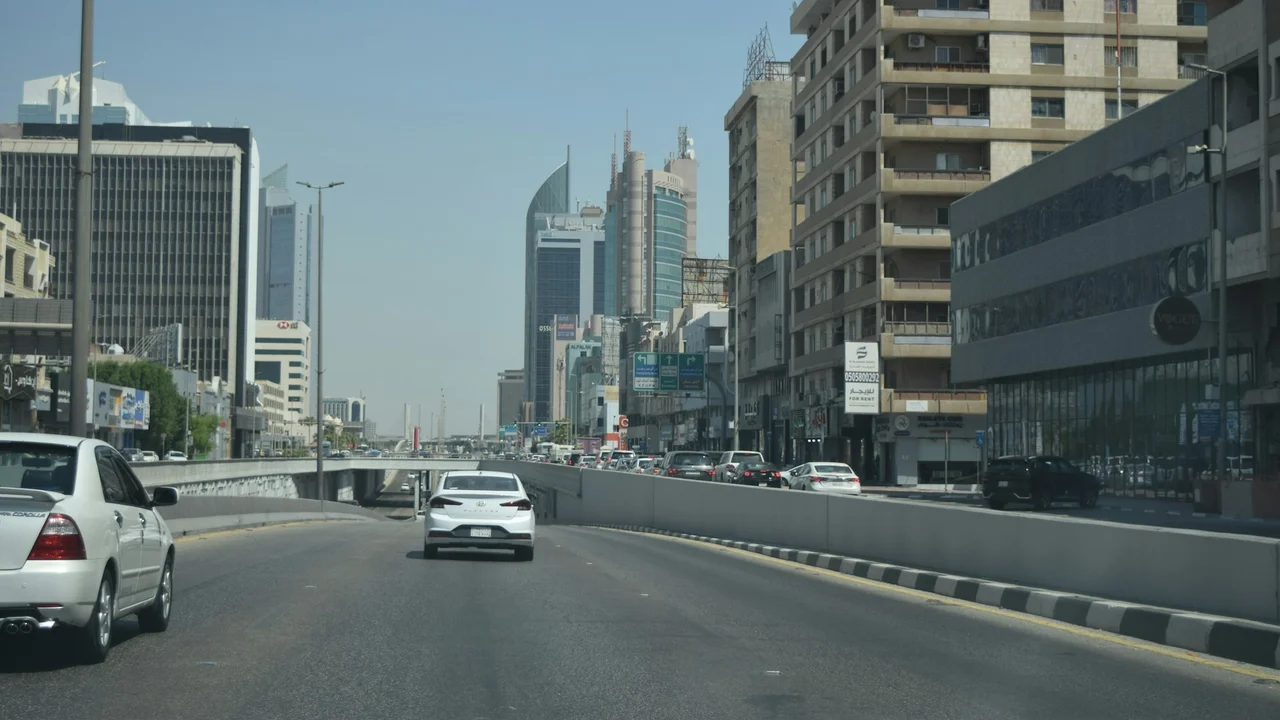
Saudi Arabia's ambitious sports megaprojects face severe financial and geopolitical headwinds, casting doubt on the kingdom's multi-billion-dollar transformation strategy. The economic pressure has forced Riyadh to scale back flagship initiatives, rethink stadium construction, and liquidate major sporting investments as fiscal deficits loom.
The Neom Stadium Freeze and World Cup Preparations
The challenges are starkly visible in the futuristic desert city of Neom, where plans to construct a 46,000-seat stadium on a skyscraper roof at an estimated cost of 2.5 billion US dollars have been indefinitely frozen. Reports indicate that construction on the "The Line" urban project has experienced significant delays, leaving organizers scrambling to present viable venue alternatives to FIFA ahead of the 2034 World Cup. When questioned by international media, tournament organizers offered imagery of alternative venues, leaving the kingdom with a narrowing window to secure credible infrastructure guarantees for the 48-team tournament.
Financial strains have also impacted domestic football clubs. Following reports of liquidity pressures and salary payment delays highlighted by local sports media, Saudi clubs reined in summer transfer spending to 407 million US dollars, the lowest figure since the aggressive recruitment drive began in 2023. Meanwhile, the sovereign wealth fund has held discussions with outside investors to secure financial partners for infrastructure upgrades at Newcastle United, shifting away from unchecked sovereign spending.
Regional Conflict Disrupts Major Tournaments
Geopolitical instability has further complicated the kingdom's sporting calendar. The Asian Cup, which was slated to bring 24 national teams to the kingdom with matches hosted at the newly developed Aramco Stadium in Khobar, was officially postponed by the Asian Football Confederation. The decision followed persistent security threats from Houthi attacks and regional military tensions with Iran that disrupted international flight routes.
The tournament has been rescheduled for December 23, 2027, through January 21, 2028, pending formal FIFA approval for player releases. This rescheduling creates a complex scheduling conflict with European leagues, particularly during the demanding Christmas fixture congestion. Other prominent events have already relocated, including the Women's Tennis Association Finals, which concluded in California, and the 2027 Dakar Rally, which was moved away from Saudi territory.
The Collapse of the LIV Golf Venture
The most prominent financial retreat involves professional golf. Attorneys for the LIV Golf league filed for liquidation proceedings in a New Jersey court, effectively ending a five-year experiment that cost upwards of five billion US dollars in an attempt to challenge the PGA Tour. Despite lucrative financial incentives and multi-million-dollar contracts offered to high-profile players such as Jon Rahm, the league struggled to build sustainable television audiences and traditional fan engagement outside of a dedicated niche.
Although private equity firm BC Partners explored a potential 300 million US dollar rescue package contingent upon star player commitments, the structural deficit proved insurmountable. The failure underscores the limits of financial infusion in replacing organic sports tradition and mainstream viewer habits, leaving Saudi sports planners to refocus on core traditional assets like the World Cup while trimming extravagant ambitions.