Iranian Quds Force Commander Arrives in Baghdad to Defuse Militia Standoff
Iranian Quds Force commander Esmail Qaani has arrived in Iraq to mediate a tense standoff between Baghdad and pro-Iranian militias over oil smuggling and control of the Jurf al-Sakhar region before a Friday military ultimatum.
The commander of the Iranian Quds Force, Esmail Qaani, has arrived in Iraq on a special diplomatic mission to defuse a mounting crisis between the Iraqi government and pro-Iranian militias over the strategic area of Jurf al-Sakhar. According to regional reports citing a source within the Iraqi parliament, Qaani made the trip under direct instructions from his leadership to resolve the standoff before a strict government ultimatum expires on Friday.
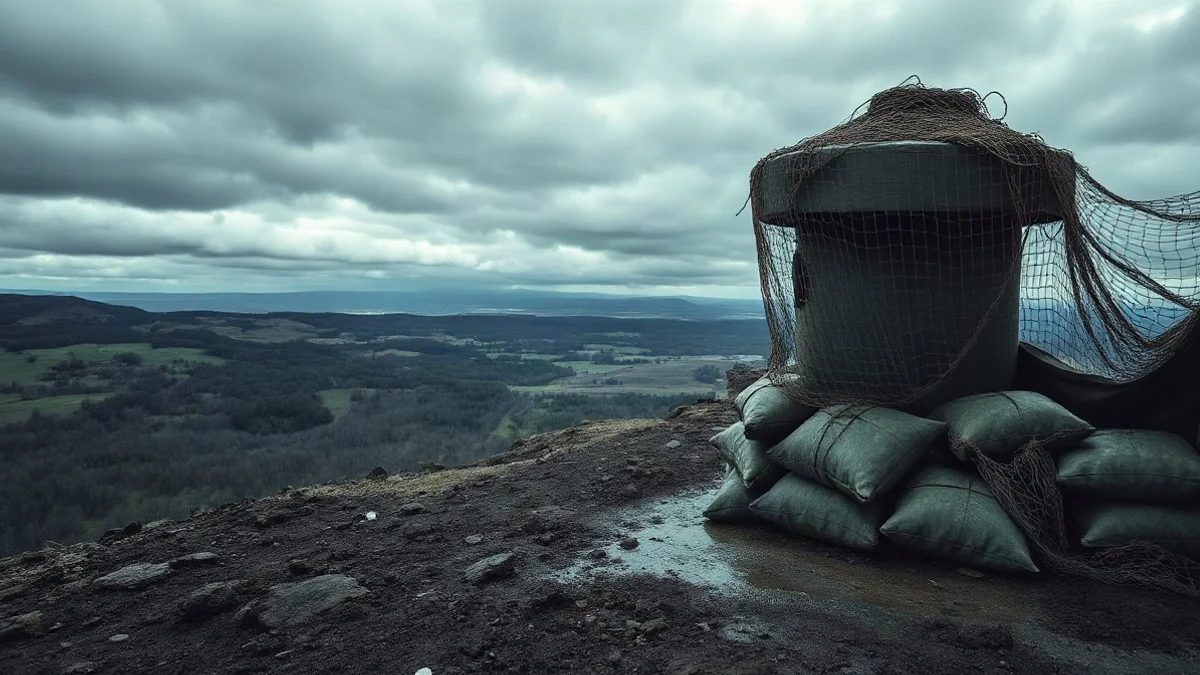
The crisis erupted after Iraqi authorities launched a series of arrests targeting high-ranking officials in connection to an illegal oil-smuggling operation originating from Jurf al-Sakhar. Located south of Baghdad, the territory has been under the exclusive control of pro-Iranian militias since they helped defeat ISIS in the past decade. Following the oil-smuggling scandal, the government of Prime Minister Mohammed Shia al-Sudani demanded the immediate disarmament and dismantling of militia presence in the zone, insisting that full administrative and security control be handed over to state authorities.
High-Stakes Talks and Military Threat
Baghdad has maintained a firm stance, warning that security forces will launch a military operation to seize control of Jurf al-Sakhar by force if the militias refuse to surrender the territory voluntarily before the Friday deadline. In response, the Quds Force commander has held intensive consultations with leaders of the pro-Iranian parliamentary bloc to formulate a compromise and avert a direct armed confrontation.
During closed-door discussions, Qaani emphasized the urgency of de-escalating tensions. A parliamentary source reported that the Iranian general stated he arrived with a definitive mandate to settle the dispute.
"I will not return to Tehran without a solution," Qaani told local political figures, stressing the need to apply political pressure on Prime Minister al-Sudani to forestall a military intervention.
Despite ongoing diplomatic efforts, the meetings have yet to produce a breakthrough. Al-Sudani has rejected calls to extend the Friday deadline, though backchannel communications continue in an effort to bridge the widening gap. Current proposals under discussion include replacing the dominant Kataib Hezbollah faction in Jurf al-Sakhar with alternative units operating under the umbrella of the state-sanctioned Popular Mobilization Forces.
Meanwhile, militia commanders have issued stern warnings that any offensive action by Baghdad could trigger widespread intra-Shiite fighting that risks expanding far beyond the borders of Jurf al-Sakhar and destabilizing the wider nation.