Samsung to Unveil Its First Humanoid Robot at CES 2027 in Las Vegas
Samsung is set to unveil its first humanoid robots at CES 2027 in Las Vegas. The tech giant plans to test the HR and HE models in its manufacturing plants by late 2027.
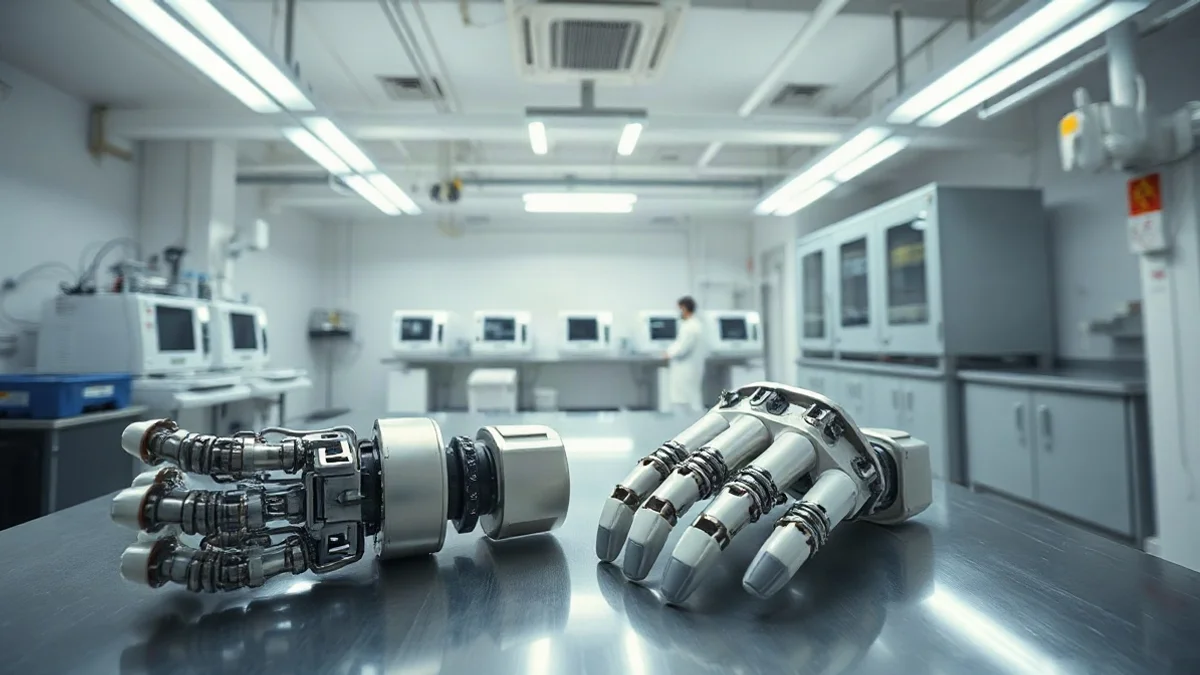
Samsung is preparing to enter the humanoid robotics market by unveiling its first in-house developed humanoid robot at the CES 2027 technology trade show in Las Vegas next January. The South Korean technology giant recently showcased a prototype of the machine to its board of directors at its research and development center in Seoul, demonstrating movement capabilities as well as arm and hand manipulation.
Leveraging Foldable Screen Tech for Robotic Joints
While performing backflips and martial arts has become common in robotics demonstrations, everyday tasks such as picking up a glass without breaking it or assembling tiny electronic components present complex engineering challenges. Media reports indicate that Samsung is utilizing proprietary hinge technology originally developed for its Galaxy Z series of foldable smartphones to construct the robot's joints. Each hand incorporates approximately 20 micro-motors designed to enable precise finger movements. Furthermore, the company established a specialized laboratory this year dedicated to robotic hands, with the ultimate goal of achieving the precision required to assemble smartphones.
Industrial applications demand extremely high reliability compared to stage demonstrations. According to Kris Hauser, head of Samsung's robotics laboratory, factory operators require a success rate of 99.99% for production line integration, as a 99% success rate would still mean one error every hundred actions.
Two Distinct Models for Work and Research
Samsung plans to exhibit two humanoid robot models at the upcoming trade show:
- HR (Human Reference): Standing 176 centimeters tall, weighing 75 kilograms, and capable of lifting payloads up to five kilograms. This model is powered by Nvidia's Jetson Thor platform—designed specifically for robotics and artificial intelligence applications—and features five-fingered hands with tactile sensors to regulate grip force.
- HE (Humanoid Extreme): Designed primarily for research and entertainment, standing 138 centimeters tall and weighing 45 kilograms. This model lacks hands and focuses entirely on whole-body mobility, integrating an Nvidia Orin NX chip for AI processing alongside an Intel processor for motion control.
Samsung plans to begin testing the HR model in its electronics manufacturing plants and logistics hubs during the second half of 2027. Concurrently, the company is preparing a dedicated humanoid production line in Gumi, South Korea, aligning with its broader objective to transform its manufacturing facilities into AI-driven operations by 2030.
Entering a Competitive Global Landscape
Samsung joins a rapidly expanding sector that includes Tesla with its Optimus robot, Boston Dynamics with its Atlas platform, and Chinese manufacturers such as Unitree and Dreeme. However, Samsung possesses a distinct operational advantage: its vast internal manufacturing ecosystem provides an immediate testing ground to gather operational data and refine performance before commercializing the technology for external markets. Over recent years, Samsung has also increased its stake in South Korean robotics firm Rainbow Robotics from 14.7% to 35%, becoming its largest shareholder.
In the long term, Samsung envisions expanding the technology beyond industrial floors into consumer homes to assist with domestic chores and elderly care. Before deploying humanoid assistants for household tasks, however, the company must first prove its technology can successfully master the complex precision required to assemble its own smartphones.