Volvo Joins Global Automakers in Training Humanoid Robots for Production Lines
Volvo joins global automakers in deploying humanoid robots on production lines, launching trials in 2027 to replace human workers in heavy and repetitive manufacturing tasks.
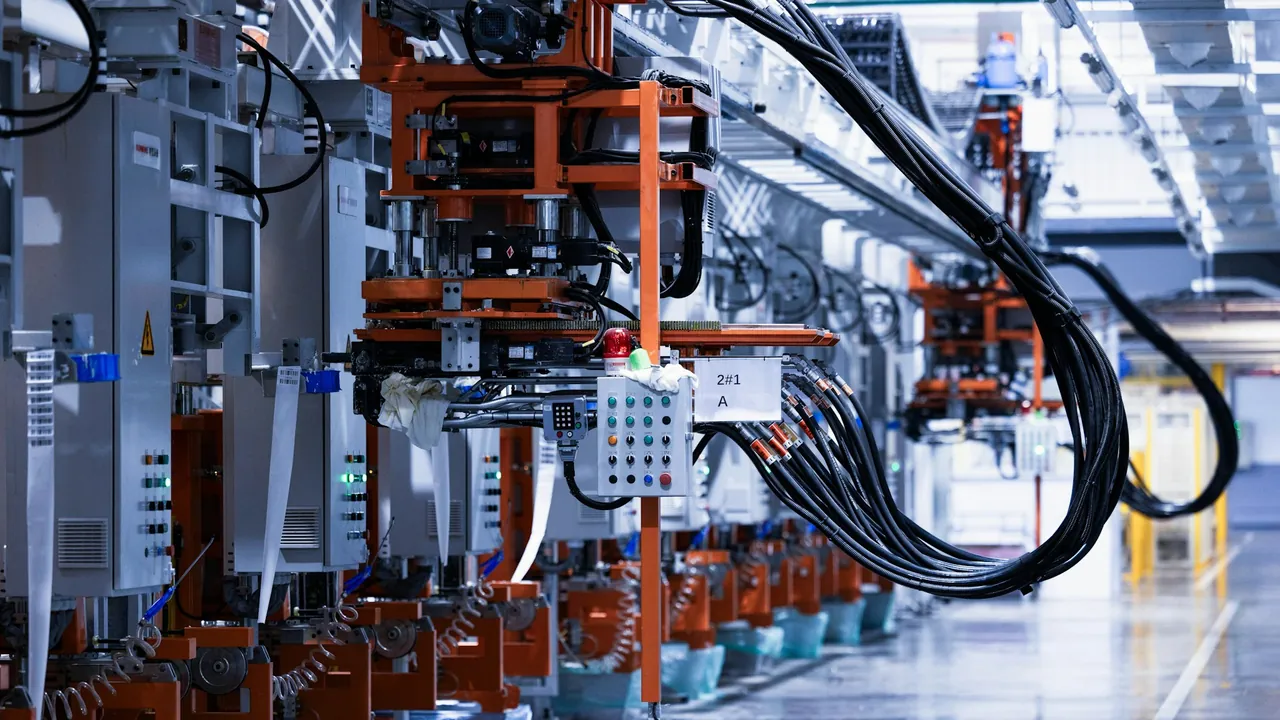
Volvo is preparing to integrate humanoid robots into its production lines, joining a growing wave of global automakers shifting repetitive and physically demanding tasks to automated machines. The Swedish automotive manufacturer, owned by Chinese interests, has announced plans to begin training humanoid robots on factory floors ahead of a trial program scheduled for the first half of 2027, with full operational deployment targeted for mid-2027.
Training the Machines and Production Integration
In the initial phase, human workers at Volvo will train the robots using remote controls and augmented reality glasses. The robots will precisely replicate the movements of human operators to improve accuracy in delicate manufacturing processes. Automakers are turning to humanoid systems to mitigate workplace injuries caused by heavy lifting, such as handling tires and massive vehicle components, or relentless assembly line repetition.
Volvo is developing its robotics initiative in collaboration with Swedish technology firm Hexagon. A humanoid robot model known as "Aion" from Hexagon is already deployed at BMW's Leipzig plant in Germany. Standing 1.65 meters tall and weighing 60 kilograms, the Aion unit utilizes wheels instead of legs for enhanced stability and movement speed, traveling at up to 8.6 kilometers per hour while carrying payloads of up to 10 kilograms. Other manufacturers, such as BMW at its Spartanburg facility in South Carolina, are testing bipedal robots equipped with legs.
Industry-Wide Investments and Long-Term Projections
Volvo joins major industry peers including BMW, Mercedes-Benz, Tesla, Toyota, Honda, Hyundai, and Renault in adopting humanoid robotics. Financial analysts at Morgan Stanley's research division estimate that the manufacturing robotics market could reach a valuation of 5 trillion US dollars by 2050, deploying over one billion robots across global factory floors.
Toyota Motor is spearheading massive investments in the sector, announcing plans to allocate 1 trillion yen (approximately 21 billion shekels) annually toward AI-driven robotics deployment starting in 2028. Toyota aims to deploy 400,000 robots across its global manufacturing plants, initially focusing on component delivery and quality control. Meanwhile, Honda is developing wheeled robots designed to install complex wiring harnesses, with CEO Toshihiro Mibe confirming that future vehicle designs are being adapted specifically to accommodate robotic assembly.
Technological Hurdles and Cost Considerations
Despite ambitious corporate roadmaps, industry experts note that several formidable obstacles remain before widespread deployment can occur. Christian Zaugg, innovation lead at Accenture, points out that unit costs range significantly from 20,000 to 200,000 US dollars depending on capabilities, with Hexagon Robotics president Arno Robert noting that individual Aion units cost upwards of 100,000 US dollars.
Furthermore, technical limitations such as frequent battery recharging requirements and the challenge of programming robots for delicate, adaptable tasks continue to slow adoption. Lei Su, a partner at Deloitte Tohmatsu in Tokyo, emphasized that the true economic value of AI-powered industrial robots relies on their versatility:
"The value of AI robots is determined by how much they are able to take diverse jobs and execute movements universally."
Additional technological hurdles include the need for seamless transitions between varied assembly tasks without requiring extensive reprogramming every time a robot is moved from tire logistics to windshield installation.