Rising Antisemitism and Online Hate in Romania Spark Deep Concern
Rising antisemitism, Holocaust denial, and online hate in Romania challenge years of historical reckoning, as highlighted at a special assembly in Jerusalem.
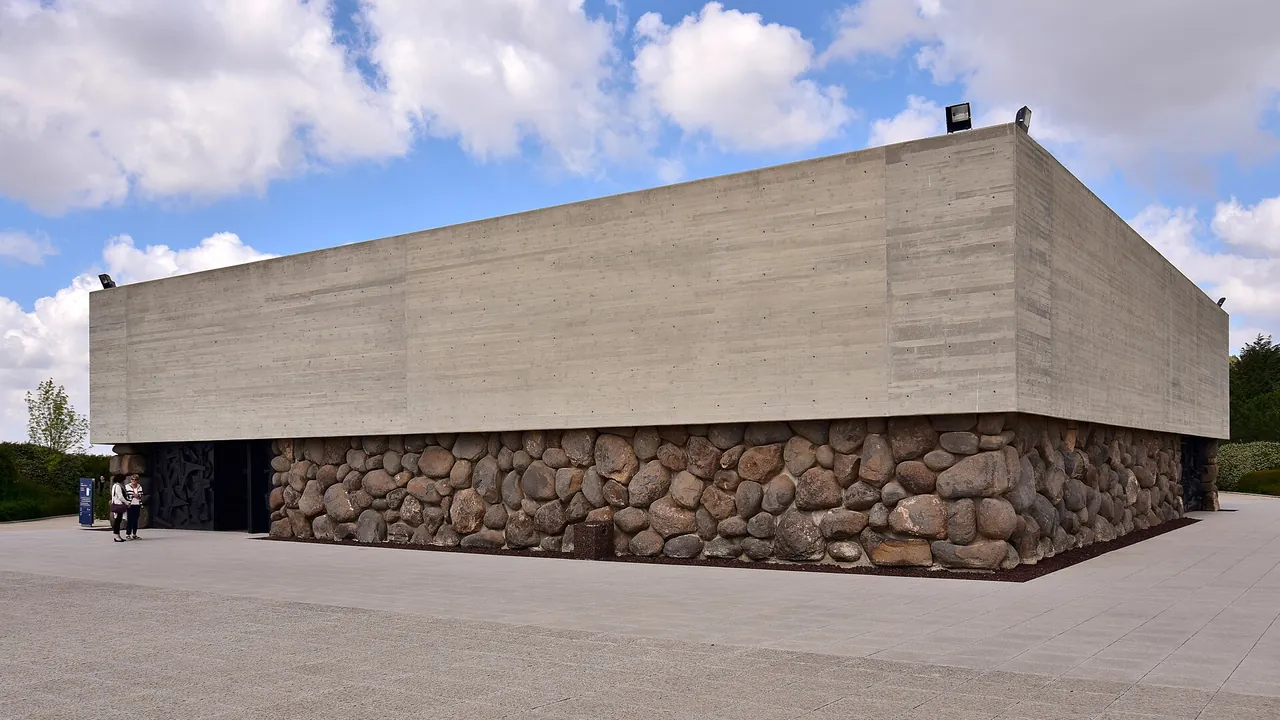
Despite significant efforts to confront its historical past, rising antisemitism in Romania has raised urgent questions regarding the long-term success of Holocaust education and remembrance in the East European nation. This complex reality took center stage at the annual assembly in Jerusalem dedicated to the Holocaust of Romanian Jewry, hosted at Yad Vashem by AMIR, the United Organization of Romanian Immigrants in Israel. The gathering coincided with the tenth anniversary of the passing of Nobel Peace Prize laureate Elie Wiesel, who previously led the country's historic commission on the Holocaust.
Alarming Trends and Polling Data
Recent statistical data underscores a disturbing resurgence of prejudice among the Romanian public. A comprehensive survey conducted among 1,004 respondents revealed that 40 percent agreed with the assertion that Jews work to undermine the society in which they live, marking a sharp increase from 22 percent in a similar survey from 2021. Furthermore, 35 percent supported restricting the number of Jews in specific professions, while a comparable proportion suggested that Jews would be better off moving to another country. Additionally, 30 percent expressed the belief that Jews exploit the memory of the Holocaust to extort Romania.
Despite these hostile views, the polling also reflected a contradictory landscape, as 70 percent of respondents still view Jews as an important minority for the country. However, the expanding mainstream acceptance of dangerous tropes has sparked deep alarm amid the proliferation of hate speech in public spaces and across social media platforms. A monitoring report published by the Elie Wiesel National Institute for the Study of the Holocaust in Romania, covering the period from May 2025 to April 2026, documented a widespread dissemination of antisemitic messaging, Holocaust denial, and attempts to glorify figures associated with the fascist Iron Guard movement and wartime crimes.
Political Backlash and Digital Hate
Silviu Vexler, a member of the Romanian Parliament and president of the Federation of Jewish Communities in Romania, has emerged at the forefront of the legislative battle against antisemitism and fascism. Having advanced stringent legislation to penalize the promotion of war criminals, Vexler himself has become a primary target for severe online harassment and threats. In December 2025, during parliamentary debates over his proposed legislation, a political storm erupted when Vexler tore up a placard displayed by a nationalist lawmaker featuring historical Romanian figures linked to antisemitic ideologies. The incident triggered a fresh wave of vitriol, cementing his status as a central target for extremists.
Reflecting on the global resurgence of hatred, Vexler noted that traditional memorial ceremonies and educational outreach have proven insufficient against the rising tide of bigotry. He emphasized that the convergence of traditional hatred with hostility toward the State of Israel, particularly accelerated since the October 7 attacks by Hamas, has blurred the lines between ancient prejudices and modern geopolitical animosities.
"There was a time when Holocaust memorial ceremonies were enough. We were convinced that history and all the knowledge we share with society as a whole would yield the result we hoped for," Vexler stated. "Nevertheless, after all these years, after all the efforts invested, it seems we fell asleep in one world and woke up in another. We woke up in a world where antisemitism has erupted on a global scale, in a society where hatred and extremism have become routine."
Historical Roots and Institutional Challenges
Eminent historians and public figures at the assembly stressed that contemporary prejudice is deeply anchored in European history, predating the establishment of Israel by centuries. Micha Harish, former Israeli Minister of Commerce and Industry and chairman of AMIR, compared current economic conspiracy theories about Jewish control of assets and land to the destructive patterns of the 1930s. He noted that while Romania maintains close diplomatic ties with Israel, acknowledges its wartime responsibility, and adopts anti-hate legislation, eradicating entrenched societal prejudice remains an uphill battle.
Dr. Paul Shapiro, a member of the Wiesel Committee and former senior official at the United States Holocaust Memorial Museum, echoed these sentiments during the conference. He explained that the roots of Romanian antisemitism extend far beyond the mid-20th century, tracing back to the formation of the modern Romanian state in the mid-19th century. Shapiro pointed to persistent domestic challenges in confronting this legacy, ranging from uneven law enforcement against hate crimes to ongoing controversies surrounding the establishment of the National Museum of the History of Romanian Jews and the Holocaust.