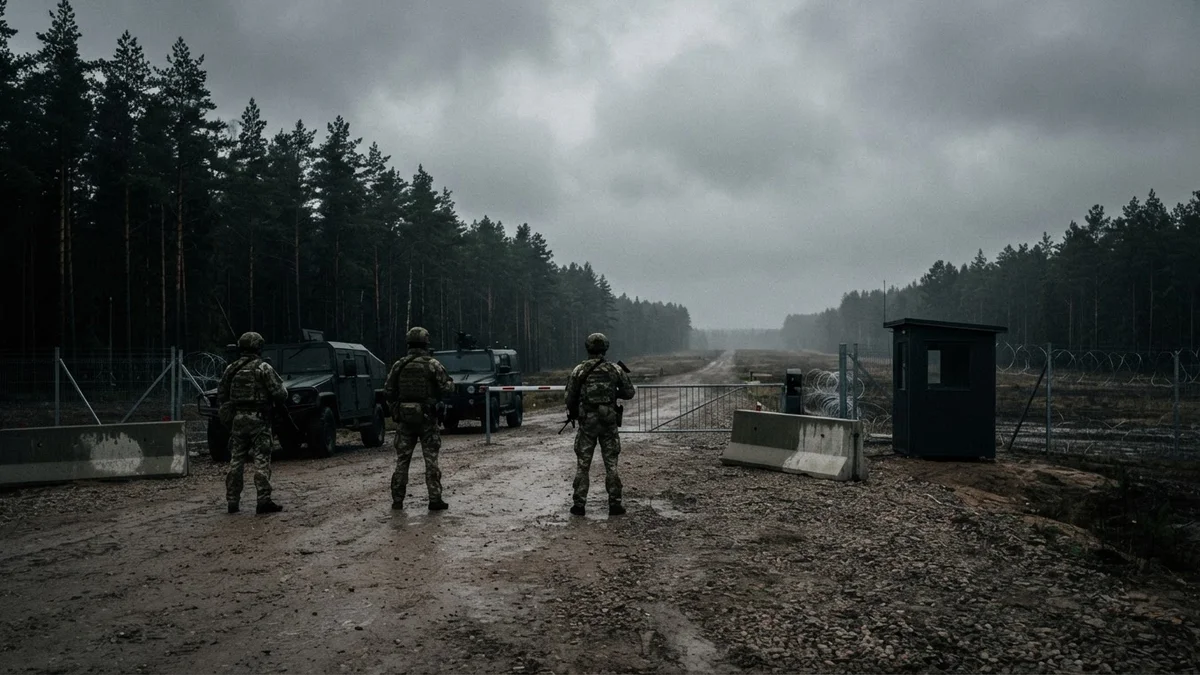
Russian Missiles and UAV Strike Poland as NATO Warns of Deliberate Escalation
Russian missiles and a drone struck Polish territory near European military exercises, sparking fears of a deliberate provocation designed to test NATO's response thresholds.
A serious security escalation unfolded between Russia and NATO after Russian missiles and an unmanned aerial vehicle breached Polish airspace, crashing across three locations in the southeast of the country. The incidents occurred during one of Russia's largest aerial barrages targeting Ukraine. While no casualties or significant damage were reported in Poland, the penetration of alliance territory raised acute concerns regarding the potential expansion of the direct conflict.
Multiple Impact Sites and Air Defense Response
Polish Defense Minister Wladyslaw Kosiniak-Kamysz stated that a Kh-101 cruise missile struck near the village of Nowy Lipowiec, located approximately 50 kilometers from the Ukrainian border. Another missile crashed near Rudnik nad Sanem, while a jet-powered UAV, identified as likely a Geran-5 model, landed in the Molodycz area. Residents reported powerful explosions and plumes of black smoke, prompting security forces to cordon off and investigate all three locations.
In response to the aerial threats, Polish, Swedish, and Dutch fighter jets were scrambled, and NATO radar systems were activated, though no interception attempts were made. The Polish military explained that operational rules of engagement did not justify live fire under the existing conditions.
Proximity to European Military Exercises
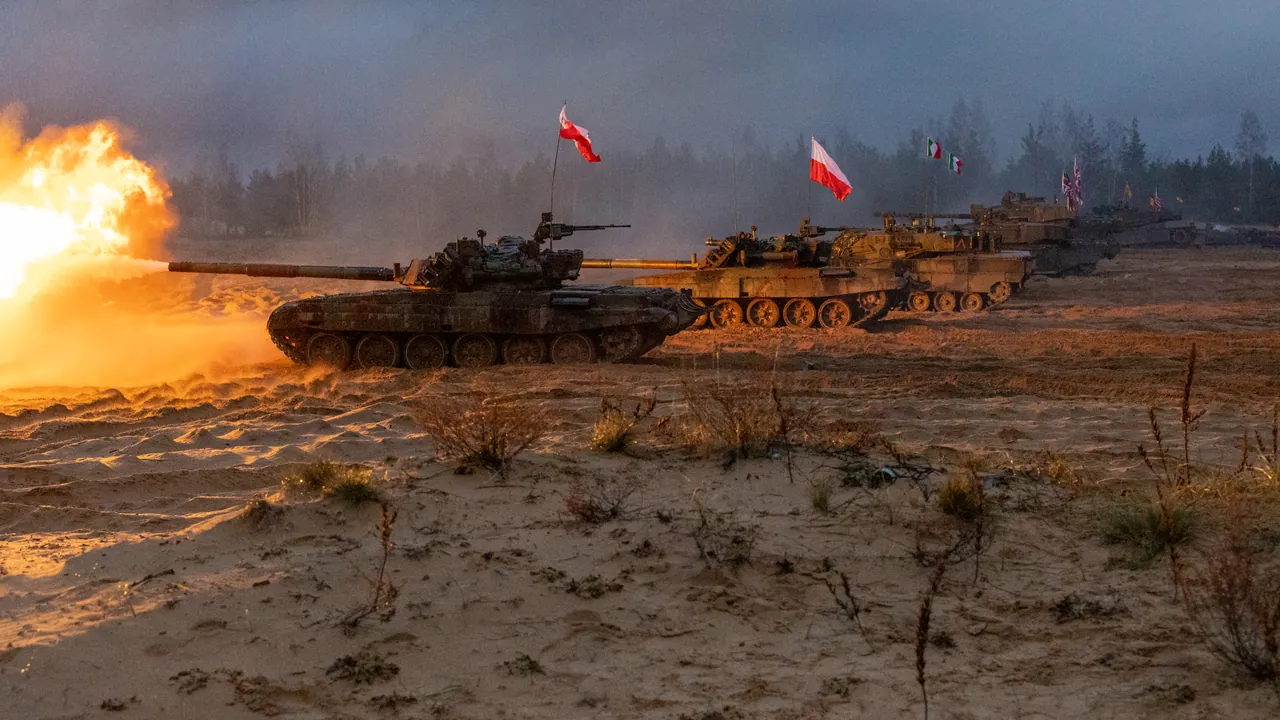
Warsaw officials highlighted the provocative timing of the strikes, which coincided with a military exercise in Nowa Deba. The drills were conducted by the Coalition of the Willing, an international framework led by France and the United Kingdom preparing for the potential deployment of forces to post-war Ukraine. Russian President Vladimir Putin warned previously that any European military deployment in Ukraine would be deemed unacceptable and treated as a legitimate target.
Between 5,000 and 6,000 European troops, alongside military commanders and defense ministers, participated in the exercises. One of the incoming Russian projectiles crashed a mere 35 kilometers from the training zone. Polish Prime Minister Donald Tusk characterized the event as a deliberate provocation, asserting that the timing was far from coincidental.
Strategic Assessment and NATO Reactions
Analysts at the Institute for the Study of War assessed that the Kremlin orchestrated the airspace violations to deter European coalition support for Ukraine while testing NATO reaction thresholds. Researchers warned that Moscow aims to normalize recurrent incursions into alliance territory, thereby incrementally raising the bar required for triggering joint defense mechanisms.
"We will defend every single inch of allied territory," vowed NATO Secretary General Mark Rutte during a visit to Warsaw.
Following the incident, Polish authorities requested reinforcement of their air defense infrastructure, including additional F-35 fighter jets and AWACS early warning aircraft. While the North Atlantic Council scheduled an emergency meeting to address the breach, Poland opted not to invoke Article 4 of the Washington Treaty, which provides for urgent consultations among member states when territorial integrity is threatened. Security analysts cautioned that failing to utilize collective response mechanisms risks encouraging Moscow to push the boundaries of allied tolerance further.