US Aviation Faces Severe Holiday Shutdown Threat Amid Pending Budget Deadline
Following massive technical failures across US aviation, a looming federal budget deadline threatens a government shutdown and severe holiday travel chaos in December.
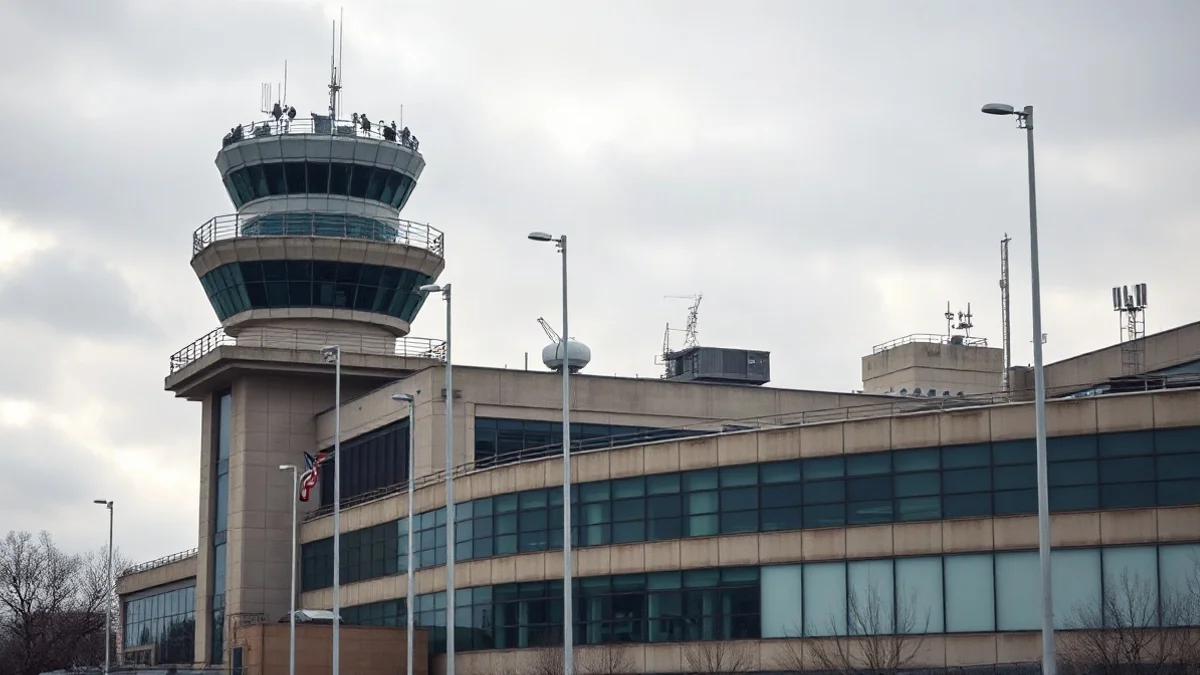
The United States aviation sector is struggling to recover from one of the most turbulent weeks in decades, marked by infrastructure and computer failures in air traffic control systems. A communications outage at the Federal Aviation Administration on November 13 triggered a nationwide ground stop that paralyzed airports and forced the cancellation of approximately 20,000 flights.
The crisis has reignited intense political and economic debate regarding the dilapidated and outdated state of American aviation infrastructure. Industry experts warn that last week's disruptions may serve as a mere prelude to a far graver challenge looming on the horizon.
The Impending Washington Budget Deadline
The next major threat facing millions of travelers is political and budgetary, jeopardizing the peak December holiday travel season. Temporary federal funding is scheduled to expire on December 12, encompassing essential operational budgets for both the Federal Aviation Administration and the Transportation Security Administration.
Should lawmakers in Washington fail to reach a legislative compromise by this deadline, air traffic controllers and security screening personnel will be forced to report for duty without timely compensation, occurring less than two weeks before Christmas. While both political parties and the administration express a shared desire to avert a government shutdown, budgetary negotiations face severe delays.
Discussions are not expected to resume in earnest until December 1 due to internal leadership elections within the Senate Democratic caucus, leaving an exceptionally tight window of a few days to resolve the funding impasse. Labor unions warn that the air traffic control network already suffers from chronic staffing shortages, with many employees still recovering financially from previous government shutdowns.
Potential Impact on Holiday Travelers
The combination of staffing deficits, severe winter weather conditions, and holiday travel surges generates profound anxiety across the transportation sector. Last year, security checkpoints processed roughly 140,000 more passengers daily than the seasonal average, a strain that will compound this year as major airlines have streamlined flight schedules due to rising fuel expenses.
For international travelers planning journeys to or from the United States during December, the unfolding political developments in Washington demand rigorous monitoring. Although direct flights from Israel are anticipated to operate on schedule, a federal shutdown threatens to produce severe bottlenecks during airport security screening and customs inspections, disrupting domestic connections.
To mitigate potential travel disruptions during the upcoming holiday season, aviation specialists recommend several critical precautions:
- Allow a buffer of at least 3.5 to 4 hours between arriving in the United States and catching a domestic connecting flight.
- Avoid splitting ticket bookings, ensuring that international and domestic legs share a single reservation code so the carrier bears responsibility for missed connections.
- Utilize airline mobile applications during periods of operational chaos, as automated digital systems frequently rebook passengers within seconds long before a physical queue at a service desk clears.
Financial analysts estimate that the four major American carriers—American Airlines, Delta, United Airlines, and Southwest Airlines—incurred approximately 345 million dollars in direct profit losses as a result of the recent nationwide disruptions. To finance necessary Federal Aviation Administration infrastructure modernizations and cover escalating operational expenses, lawmakers and carriers are expected to pass a portion of the financial burden onto consumers, driving up airport taxes, security surcharges, and baseline airfares throughout the coming year.