Report: Israel and the US's extensive campaign against Hezbollah's economy
Israel bombed Hezbollah's banks and gold reserves, while the US pressured the Lebanese government to implement a series of reforms to shut off the terrorist organization's funding tap.
Israel and the United States have been conducting an especially aggressive campaign over the last two years against Hezbollah's funding network. The New York Times reported that the first targets Israel attacked in the current round of fighting were the banks used by the terrorist organization. The United States, for its part, acted to disrupt the transfer of funds to Hezbollah from Iran and to paralyze its internal funding channels. Following the campaign, the terrorist organization was forced to cut its welfare network and is facing an economic crisis.
Parallel to Israel's military campaign against Hezbollah, Jerusalem has worked in cooperation with Washington in an aggressive campaign against the economic assets of the Lebanese terrorist organization. The campaign included the bombing of banks used by Hezbollah, the disruption of fund transfers from Iran, and reform of the Central Bank of Lebanon, alongside other measures.
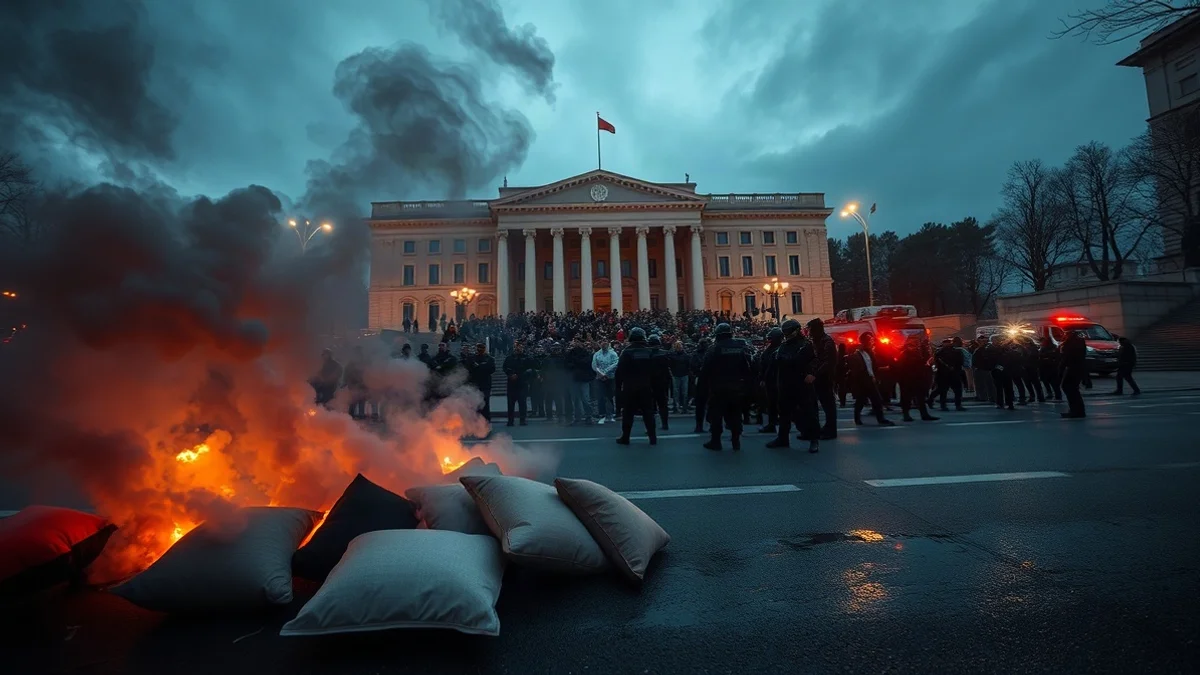
According to the report, the first targets Israel attacked in the round of fighting in March were banks, when Israeli fighter jets destroyed more than a dozen branches of a bank that had been accused for years of serving as Hezbollah's bank in Lebanon. Additional airstrikes were carried out against money changers used by Iran to transfer funds to Hezbollah, as well as against gas stations that generated revenue for the organization. The bombings were the culmination of an aggressive campaign by Israel, the Trump administration, and the Lebanese government itself, designed to exert economic pressure on Hezbollah.
The campaign against Hezbollah's funding sources began to gain momentum at the end of 2024, shortly after the ceasefire, when Hezbollah lost a vital smuggling route following the sudden fall of the Assad regime in Syria. In early 2026, the US passed an Israeli warning to Lebanon that Tehran had approached Beirut's airport, which for years had been effectively controlled by Hezbollah, and had transferred suitcases of dollars to the terrorist organization via civilian flights. The warning led Lebanon to suspend all flights from Iran, and airport employees identified with Hezbollah were replaced by security personnel operating in coordination with American officials.
Washington then turned its attention to the Central Bank of Lebanon. The Trump administration worked to influence the appointment of a new governor, Karim Swaid, who launched an investigation into the country's largest financial services companies regarding their ties to Hezbollah. In February, the US Treasury Department said that senior officials at a bank serving Hezbollah had set up a network of gold trading companies to raise cash, as Air Force strikes had destroyed a significant portion of the organization's foreign currency and gold reserves.
As the campaign gained momentum, the terrorist organization's welfare system began to show signs of distress. Hezbollah officials and aid recipients told the Times that while the salaries of operatives are still mostly being paid, some welfare services have been cut. An organization spokesperson stated that Hezbollah had stopped compensation payments to its supporters, as it struggled to meet the needs of those displaced by the war and prioritized military spending. The US State Department estimated that Iranian funding for Hezbollah stood at about $700 million a year, but this is insufficient to cover the organization's significant war-related expenses.