US Democrats Prepare Legislative Blitz and Oversight Strategy for Midterms
US Democratic leaders are drafting a comprehensive legislative and oversight strategy for the upcoming midterm elections, aiming to challenge Trump administration policies, curb the conflict with Iran, and pursue aggressive investigations.
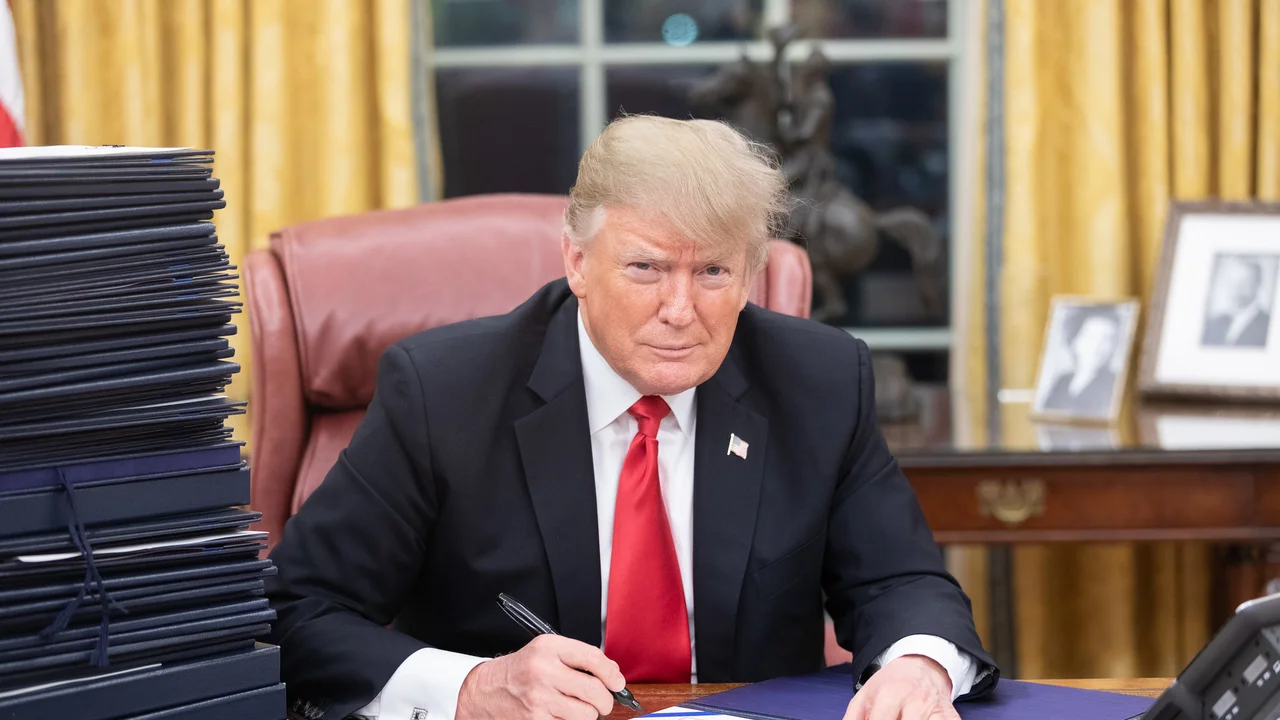
Democratic leaders in the United States are preparing a comprehensive action plan ahead of the upcoming midterm elections, aiming to challenge the Donald Trump administration and overturn a series of controversial measures, according to a New York Times report.
Optimism within the Democratic Party surged after an independent research group indicated a potential Democratic majority in the House of Representatives, even under a scenario where Republicans win all 17 toss-up races.
Legislative Blitz in the First Hundred Hours
If they secure a majority, House Minority Leader and prospective Speaker Hakeem Jeffries plans to launch an immediate legislative blitz. Within the first hundred hours of the new Congress, Jeffries aims to bypass lengthy committee debates and bring popular bills directly to a vote to unite the party.
Proposed measures include restoring health care subsidies under the Affordable Care Act, reversing approximately one trillion dollars in Medicaid cuts, repealing tariffs imposed by President Trump while restoring trade authorities to Congress, and demanding that the president end the war with Iran or seek formal congressional approval for its continuation.
Senate Obstacles and Political Strategy
Despite ambitious plans, Democrats face significant hurdles in the Senate. Even with a Senate majority, Republicans are expected to retain the ability to block legislation via the filibuster, requiring a 60-senator threshold, while President Trump holds veto power.
Senator Brian Schatz of Hawaii acknowledged that far-reaching progressive legislation is unlikely to pass while Trump remains in office, emphasizing that the primary Senate objective will be halting the war with Iran, which incurs massive costs without enhancing security, even if it requires exploring the cessation of war funding.
Nevertheless, Democrats believe advancing broadly supported bills could attract Republican crossover votes and present the White House with a political dilemma ahead of the 2028 presidential election. Representative Deborah Ross of North Carolina argued that Trump tends to back down when public opinion turns consistently against him.
Rahm Emanuel, a former White House Chief of Staff advising Democratic leadership and weighing a 2028 presidential run, summarized the strategy: if Trump signs the Democratic bills, the Democrats win; if he vetoes them, they still gain politically.
Oversight, Corruption Inquiries, and the Impeachment Dilemma
Alongside the legislative front, Democrats prepare to deploy congressional oversight powers to aggressively investigate the administration. Representative Jamie Raskin of Maryland, slated to chair the Judiciary Committee, stated he will focus on the administration's pardon industry, suspected corruption in non-competitive government contracts, and the flow of anonymous cryptocurrency to the administration and the Trump family.
A volatile issue sparking internal debate is the question of presidential impeachment. Although over 70 Democratic lawmakers have called to initiate impeachment proceedings or invoke the 25th Amendment, party leadership fears a repeat of past failed impeachment attempts that ultimately galvanized Trump's base. Raskin noted that the party remains realistic about the slim prospects of securing a two-thirds Senate majority for conviction.
During the subsequent hundred days, Democrats plan to advance tax credits for affordable housing and low-income families, increased oversight of immigration enforcement, a federal minimum wage hike, artificial intelligence regulation, and a ban on stock trading by members of Congress, according to The New York Times.