Quinoa vs. Buckwheat: Which Pseudocereal Suits Your Diet Best?
Comparing quinoa and buckwheat reveals distinct nutritional differences. While quinoa offers slightly more protein, buckwheat contains fewer calories, making both pseudocereals excellent gluten-free choices.
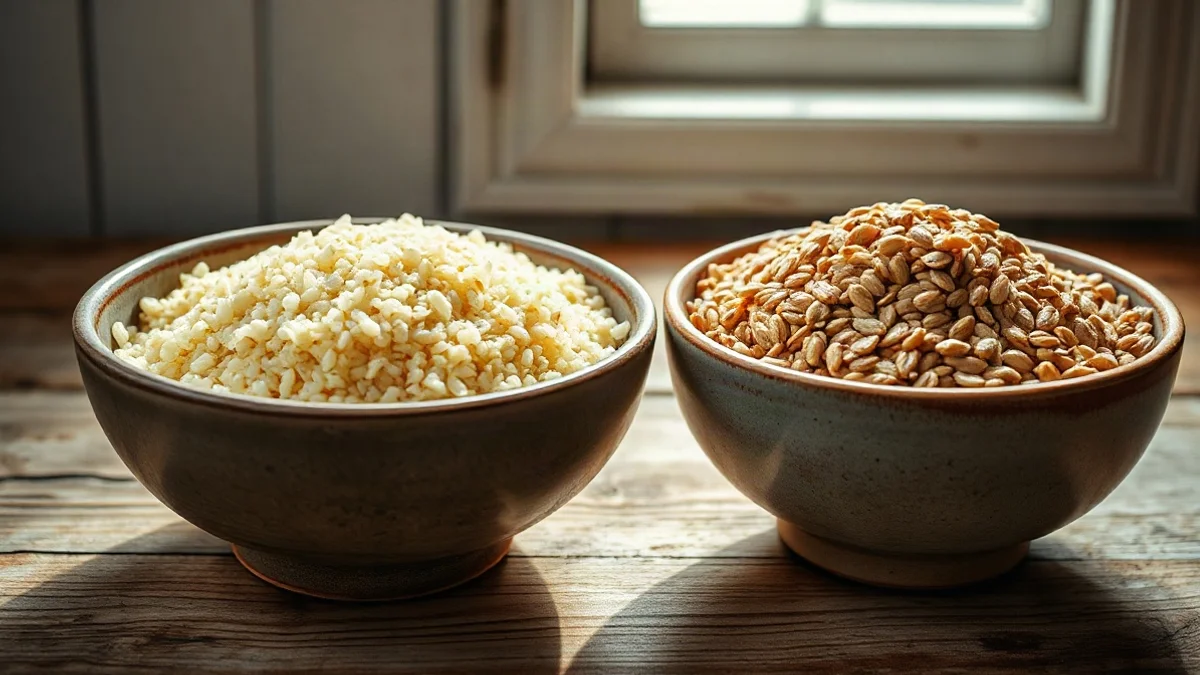
Quinoa and buckwheat are widely recognized as nutritious, healthy alternatives to traditional grains and starches like rice or pasta. Both options provide plant-based protein, dietary fiber, and essential minerals, and both are naturally gluten-free.
From a botanical standpoint, neither is actually a true cereal grain. Both belong to a category known as pseudocereals—seeds that are cooked and consumed in much the same way as grains, but originate from entirely different plant families.
Protein Content: Does Quinoa Win?
Quinoa often enjoys a reputation as a protein powerhouse, but the actual nutritional margin over buckwheat is quite modest. A 100-gram serving of cooked quinoa delivers roughly 4.4 grams of protein, compared to about 3.4 grams in an equivalent portion of cooked buckwheat.
Both pseudocereals offer a favorable amino acid profile compared to standard grains like wheat or rice, standing out particularly for their lysine content. While sometimes touted as complete proteins, experts note that they, like most plant foods, are best paired with other protein sources to ensure an optimal dietary balance.
Calories, Carbs, and Fiber Comparison
When evaluating caloric density, buckwheat holds a slight advantage. A 100-gram cooked portion of buckwheat contains approximately 92 calories, whereas the same amount of cooked quinoa provides around 120 calories.
Carbohydrate levels remain comparable, hovering near 21 grams for quinoa and 20 grams for buckwheat per 100 cooked grams. Dietary fiber content is similarly matched at roughly 2.7 to 2.8 grams. Quinoa does contain slightly more fat—about 1.9 grams versus 0.6 grams in buckwheat—the majority of which is unsaturated.
Antioxidants and Culinary Versatility
Both foods supply valuable minerals such as magnesium, iron, zinc, and manganese. Buckwheat features rutin, a beneficial flavonoid acting as an antioxidant, while quinoa contains quercetin and other protective plant compounds.
Whether choosing green or roasted buckwheat, or rinsing quinoa to remove natural bitter saponins, both ingredients offer exceptional culinary flexibility. Ultimately, neither pseudocereal completely eclipses the other, making regular alternation an ideal strategy for a balanced diet.