New Pulmonary Fibrosis Drug Slows Disease Progression and Improves Survival
A new medication for progressive pulmonary fibrosis slows disease decline and improves survival rates, offering hope for patients facing limited treatment options and severe symptoms.
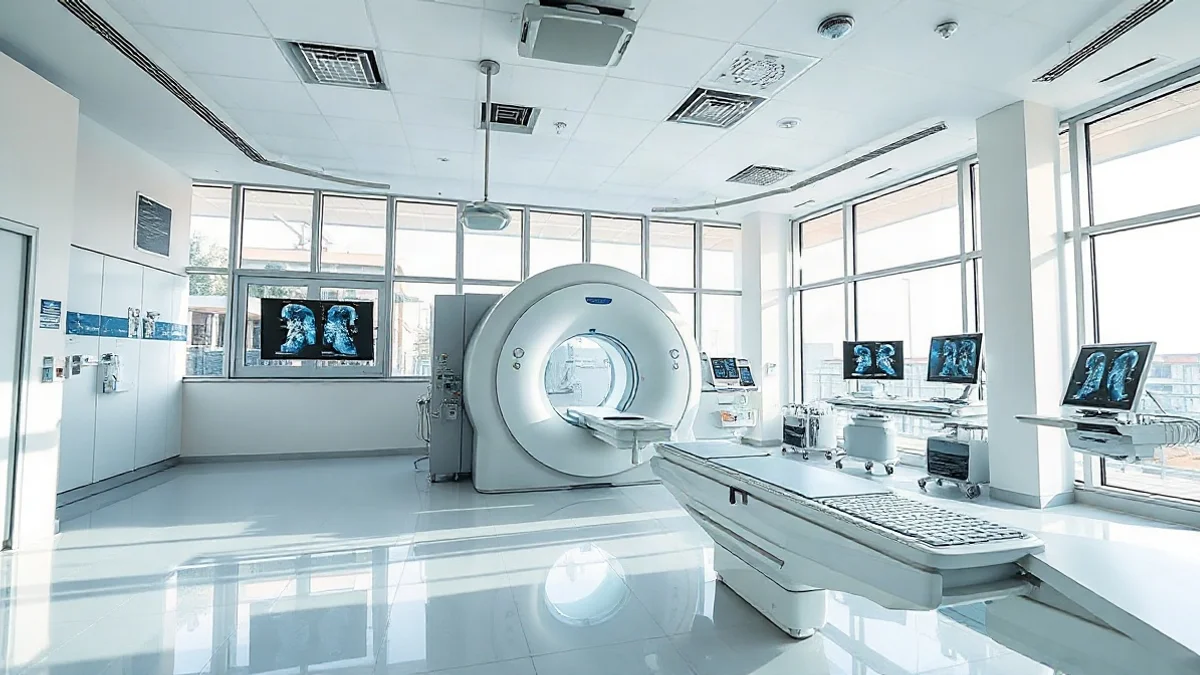
A decade after the last major therapeutic breakthrough in treating progressive pulmonary fibrosis, medical experts report the approval of a novel medication that slows disease progression, improves survival prospects, and offers a more favorable side-effect profile.
Understanding Progressive Pulmonary Fibrosis
Advanced pulmonary fibrosis encompasses more than 200 distinct conditions sharing a single destructive characteristic: irreversible scarring of lung tissue that stiffens the organ and impairs oxygen transfer throughout the body. While causes vary widely—ranging from occupational exposure to silica dust in artificial stone manufacturing, organic dusts, mold, and systemic conditions such as rheumatoid arthritis or scleroderma—a significant portion of cases remain idiopathic with no known origin.
Dr. Uri Wand, director of the pulmonary medicine division at Barzilai Medical Center, notes that in roughly half of all patients, the condition follows a progressive course where cumulative damage leads to worsening shortness of breath, a persistent dry cough, fatigue, weight loss, and eventual oxygen dependency. Idiopathic pulmonary fibrosis represents the most severe and prevalent form of these disorders, carrying a median survival rate from the onset of progression that trails many types of cancer.
Diagnostic Challenges and Delayed Detection
A primary hurdle in managing pulmonary fibrosis lies in its non-specific symptoms, which frequently mimic natural aging or smoking-related coughs. Patients often attribute early breathlessness to normal physical decline, while physicians may initially explore more common ailments, leading to diagnostic delays.
Chest CT scans serve as the cornerstone of accurate diagnosis, complemented by comprehensive evaluations of patient medical history, occupational background, family history, and pulmonary function tests. Medical specialists urge individuals experiencing unexplained respiratory symptoms to request lung function testing and imaging studies promptly, particularly given that up to 20 percent of patients may experience acute exacerbations characterized by rapid respiratory decline within days or weeks.
The Next Generation of Treatments
Until recently, treatment options for idiopathic pulmonary fibrosis were limited to two standard therapies introduced in 2014. Although effective at slowing disease advancement, these older medications frequently cause significant gastrointestinal side effects, prompting approximately half of all patients to reduce dosages or discontinue treatment entirely. Lung transplantation remains an option for a small fraction of eligible patients constrained by age, comorbidities, and donor shortages.
The newly approved oral medication selectively inhibits inflammatory and fibrotic pathways within lung tissue, earning breakthrough therapy designation from the US Food and Drug Administration. Evaluated in two extensive phase 3 clinical trials involving more than 2,300 patients, the treatment successfully slowed functional decline in both idiopathic pulmonary fibrosis and other progressive pulmonary fibrosis subtypes while exhibiting signs of enhanced overall life expectancy.
"The drug slowed the rate of deterioration both when administered alone and alongside older anti-fibrotic medications, making it a valuable addition to existing regimens as well as an effective option for patients who could not tolerate older treatments."