Jerusalem School Secretary Avoids Prison in 600,000 Shekel Fraud Case
A Jerusalem school secretary convicted of stealing 600,000 shekels from the Ministry of Education through fraudulent work hours avoided prison, receiving nine months of community service.
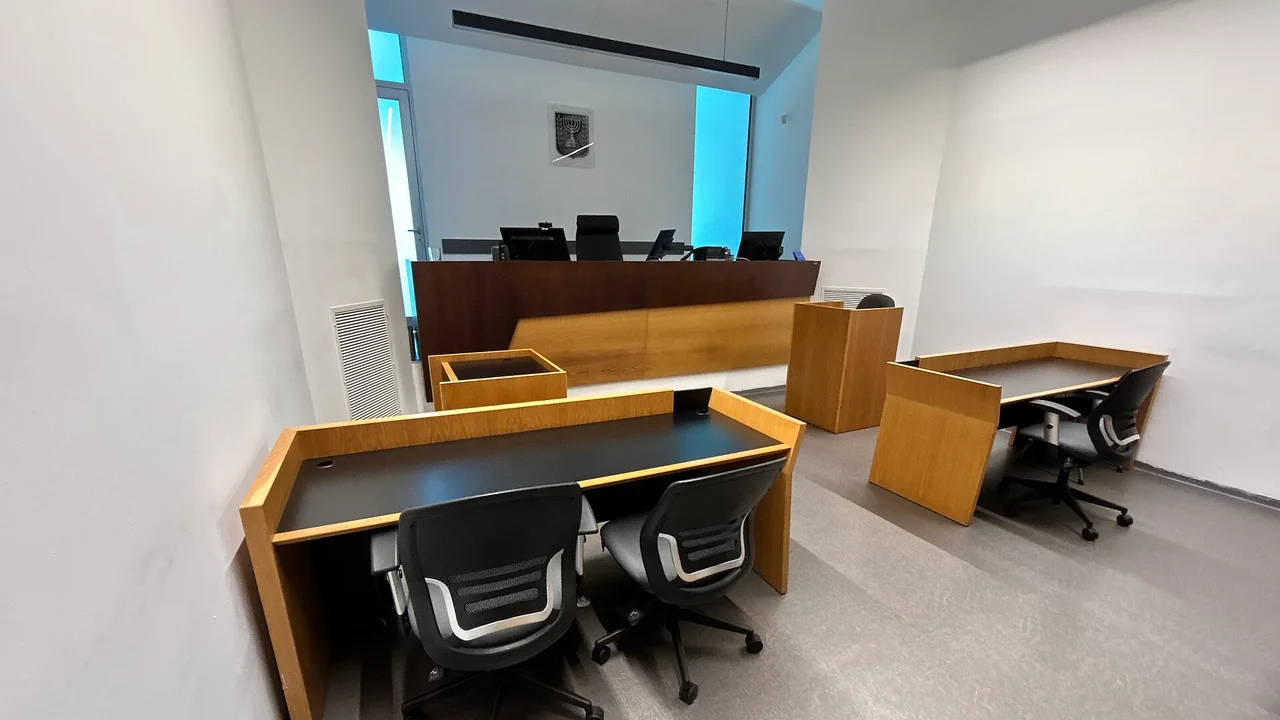
A school secretary in Jerusalem convicted of defrauding the Ministry of Education of approximately 600,000 shekels has avoided prison time. The Magistrate's Court in Jerusalem sentenced her to nine months of community service and a fine of 42,000 shekels, rejecting the prosecution's demand for a prison sentence ranging from two to four years.
The defendant, in her 50s, was convicted of obtaining property by false pretenses under aggravating circumstances and breach of trust. Over a decade of employment at the school, her responsibilities included recording staff working hours and submitting attendance reports to the Ministry of Education, which served as the basis for salary calculations.
Systematic Fraud and Altered Reports
According to the indictment, the secretary abused her reporting privileges and the school's allocated substitute-hour quota over a nine-year period. She systematically reported unworked hours, eventually expanding the scheme to claim more than 200 fraudulent overtime hours monthly, pocketing up to 12,000 shekels in certain months.
The illicit activity was ultimately uncovered by the Ministry of Education, leading to her dismissal, police questioning, and a formal indictment filed by the Jerusalem District Prosecutor's Office. During the legal proceedings, it was revealed that the defendant had a 25-year employment history and claimed she committed the offenses due to severe financial distress.
Court Sentencing Rationale
While the prosecution pressed for an extended prison term due to the gravity of the offenses and the failure to return the embezzled funds, the defense urged the court to consider her personal circumstances and impose community service.
The presiding judge acknowledged that the appropriate sentencing range for the crimes was indeed two to four years behind bars. However, the court opted for leniency, citing the significant length of time that had elapsed since the offenses took place. Ultimately, the judge ordered nine months of community service alongside the financial penalty.