Likud Primaries: A Battle for Seats and Influence
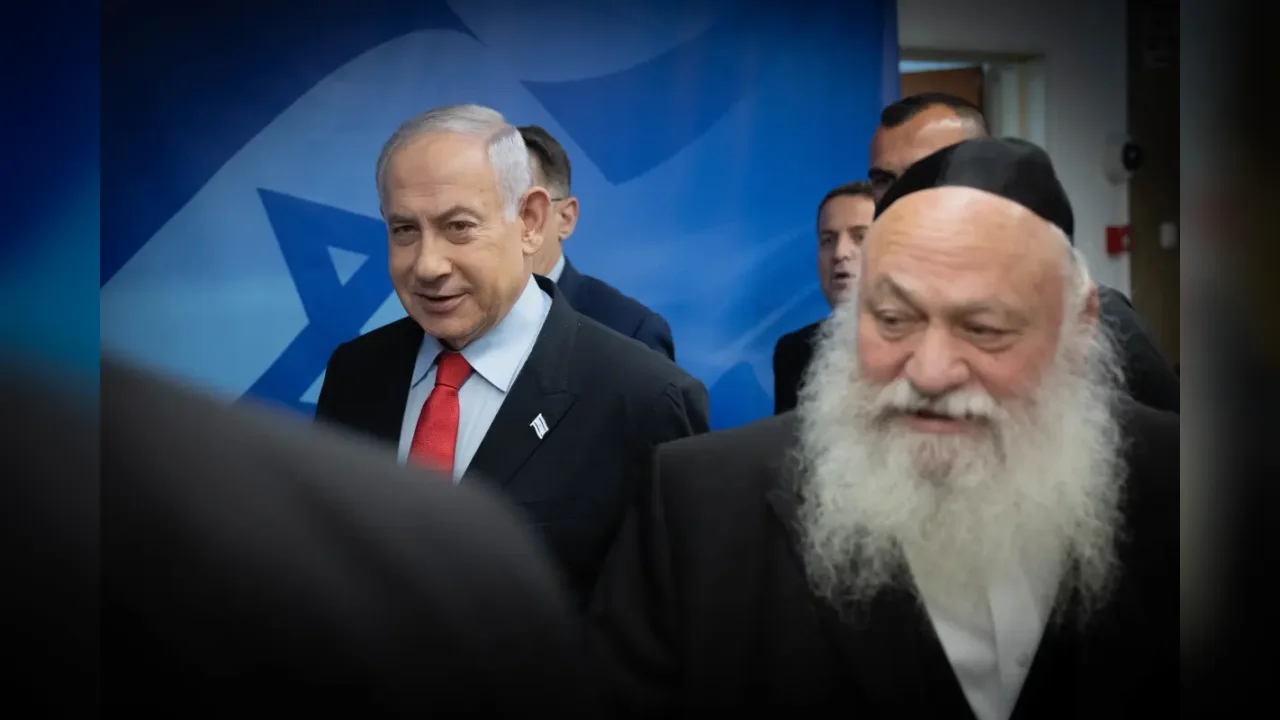
Approximately 140,000 Likud members are casting their votes today to determine the party's list for the upcoming election, amidst polls suggesting a potential loss of seven seats. Benjamin Netanyahu is working to shape a compact and loyal list, leaving many incumbent Knesset members and senior ministers in a state of uncertainty.
Listen to "The Headline" — the daily news podcast from ynet. In this episode, we focus on the Likud primaries.
"The Likud primaries are a peak event in the election campaign. Likud is the largest party on the map, a ruling party, yet it is currently fighting for its survival. Polls indicate a loss of about seven seats, which makes the party list very crowded. Many individuals accustomed to holding government positions are now facing uncertainty. This is a massive, passionate, and emotional event. It is crucial to remember that the elected list will have a significant impact on what follows, and we see that Benjamin Netanyahu places great weight on the composition of this list, understanding its decisive influence on election results," explains ynet political correspondent Moran Azulay.
"During this term, we have seen that those identified with judicial reform, criticism of the Attorney General, and a militant stance against the judicial system feel more secure. Tally Gotliv, for instance, is an exceptional phenomenon in Likud. She does not engage in deals with power groups or attend standard party committee events, yet she holds a very high position. The reason lies in the hawkish agenda she brought to the Knesset.
Many Knesset members conducted internal polls and discovered that the primary drivers for voters are the judicial system, security, and the Iranian issue, followed by concerns like education and the cost of living. Those holding a more hawkish line are expected to secure good spots on the future list.
The Likud faction remains cohesive and loyal, despite attempted internal challenges. This is a government that managed to stay in power even after October 7. Nevertheless, we see Knesset members and ministers facing significant difficulties because the list is so limited. Benjamin Netanyahu is attempting to shape the list in his own image, creating intense competition. Prominent figures may be sent home, and we will see a different, more compact list with which Benjamin Netanyahu will set out on his path."