Why must you raise the seat on a plane during takeoff and landing? 4 main reasons
This is perhaps one of the most familiar instructions on a flight, but also one of the most important. Here is how the seat position can affect the chance of being injured in an accident and the speed of evacuation from the plane.
One of the most familiar moments in any flight is the flight attendants' request to return the seat back to an upright position before takeoff and landing. For many passengers, this seems like a purely technical requirement, but it turns out to be one of the most important safety instructions on the plane, designed to protect passengers precisely during the most dangerous stages of the flight. The takeoff and landing stages are when the risk of an accident is highest, and the flight crew has the shortest amount of time to react in the event of a malfunction. Therefore, the seating position of the passengers is also part of the aircraft's safety system.
Absorbing the force of impact
Every seat on an airplane must meet the strict requirements of the US Federal Aviation Administration (FAA) before it is approved for use. As part of the American standard, seats undergo crash tests that simulate a hard but survivable emergency landing. These tests are performed only when the seat back is in an upright position. The seat structure, frame, and floor attachment rails function together as a single system designed to absorb impact forces. When the backrest is reclined, the way forces are distributed changes, and therefore that position is not included in the safety certification conditions for the takeoff and landing stages.
Proper belt fit: preventing the "Submarining" phenomenon
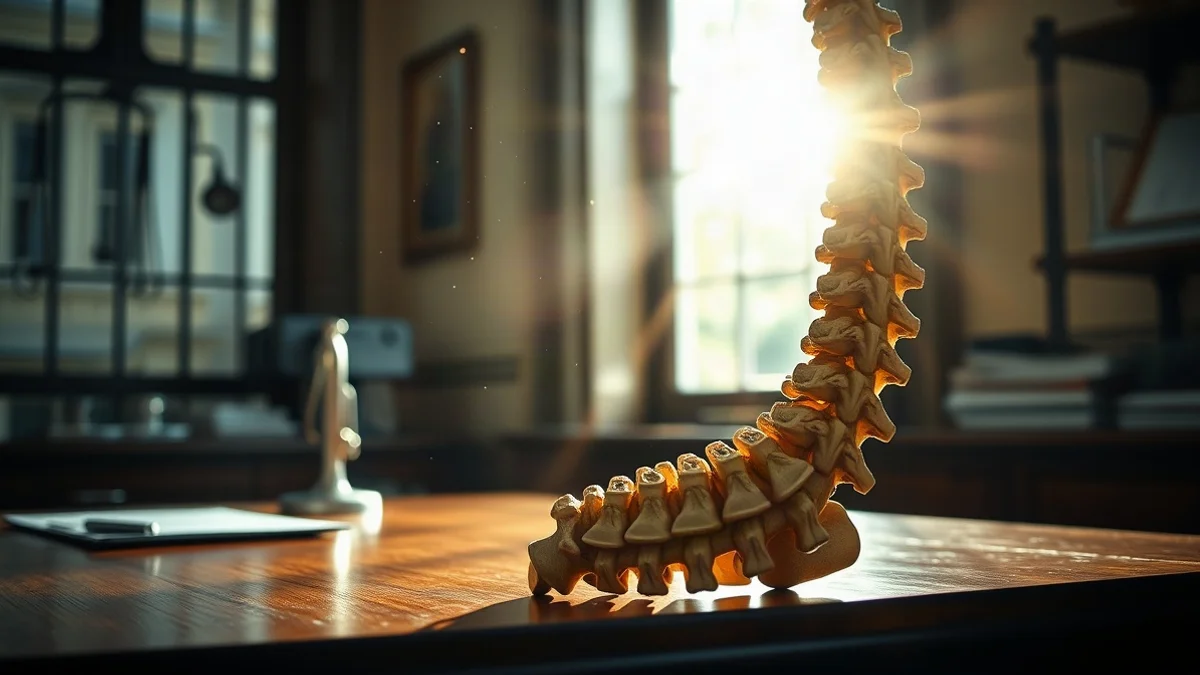
The seat belt also works more effectively when the passenger is sitting upright. The lap belt is designed to rest on the pelvic bones — the strongest area of the body for absorbing impact loads. When the seat is reclined, the body may slide forward under the belt, a phenomenon known as "Submarining," which can increase the risk of abdominal and spinal injuries in the event of sudden deceleration.
Rapid emergency evacuation
Another reason relates to evacuating the plane in an emergency. Aircraft manufacturers must prove that a full plane can be evacuated within 90 seconds, even when only half of the emergency exits are available for use. A reclined seat back reduces the space for the passenger behind, makes it difficult to move through the aisle, and could delay exiting the plane by precious seconds.
Open escape route
This is also the reason why in seats adjacent to emergency exits, the option to recline the backrest is limited or non-existent. Before every takeoff and landing, flight crews ensure that all seat backs have been returned to an upright position as part of the mandatory safety checks.
Permission to recline the seat during cruise flight is granted because at this stage the probability of an accident is significantly lower compared to the takeoff and landing stages. Therefore, although the request to raise the backrest may seem trivial, it is part of a safety system designed to reduce the risk of injury and allow for rapid evacuation if an emergency occurs.