Received a new apartment and entered two years of malfunctions, leaks, and a chase after the developer
Occupancy in an urban renewal project should be a highlight for tenants, but it sometimes turns out to be the beginning of a period of repairs and dragging feet by the developer and contractor. We examine why apartment owners might find themselves dependent on the developer and how an experienced lawyer and appropriate guarantees can reduce the risk.
After years of waiting, signing, discussions with the developer, and construction work, the moment when apartment owners receive the keys to their new apartment should be the highlight of the urban renewal project. They left an old apartment, usually waited for several years, and are returning to a new building with a protected space (MAMAD), a balcony, an elevator, and parking. The problem begins when, in some projects, the delivery of the apartment does not mark the end of the process, but the beginning of another exhausting period: leaks, dampness, malfunctions in the building's systems, and a prolonged chase after the developer and the executing contractor.
It is important to emphasize from the very beginning that this is not a phenomenon that occurs in every urban renewal project. In Israel, high-quality projects are also delivered, in which the defects discovered after occupancy are minimal and handled quickly. The quality of construction and service varies from developer to developer and from contractor to contractor. However, when a developer is chosen who does not provide sufficient service after delivery, or when the agreement with them does not include effective protection mechanisms, apartment owners may discover how dependent they are on them even after returning to their home.
Construction defects are not unique to urban renewal
In almost every new building, malfunctions requiring repair may be discovered in the initial period. These can be problems with waterproofing, flooring, aluminum, plumbing, elevators, electrical and water systems, or in common areas. Often, only the first rain reveals whether the waterproofing on the roof, balconies, or the building's envelope was done properly. The central question is not only whether defects were discovered, but how the developer reacts to them and how quickly they take care of fixing them.
In an urban renewal project, the situation may be more complex than in a regular purchase of a new apartment. An apartment buyer can, at least at the stage before the purchase, compare companies, check their reputation, and choose whether to buy in a particular project. An apartment owner in a renewal project, on the other hand, hands over their existing property to the developer and entrusts them with one of the most important economic decisions in their life. From the moment the project is underway, and certainly after the old building is demolished, it is very difficult to replace the developer.
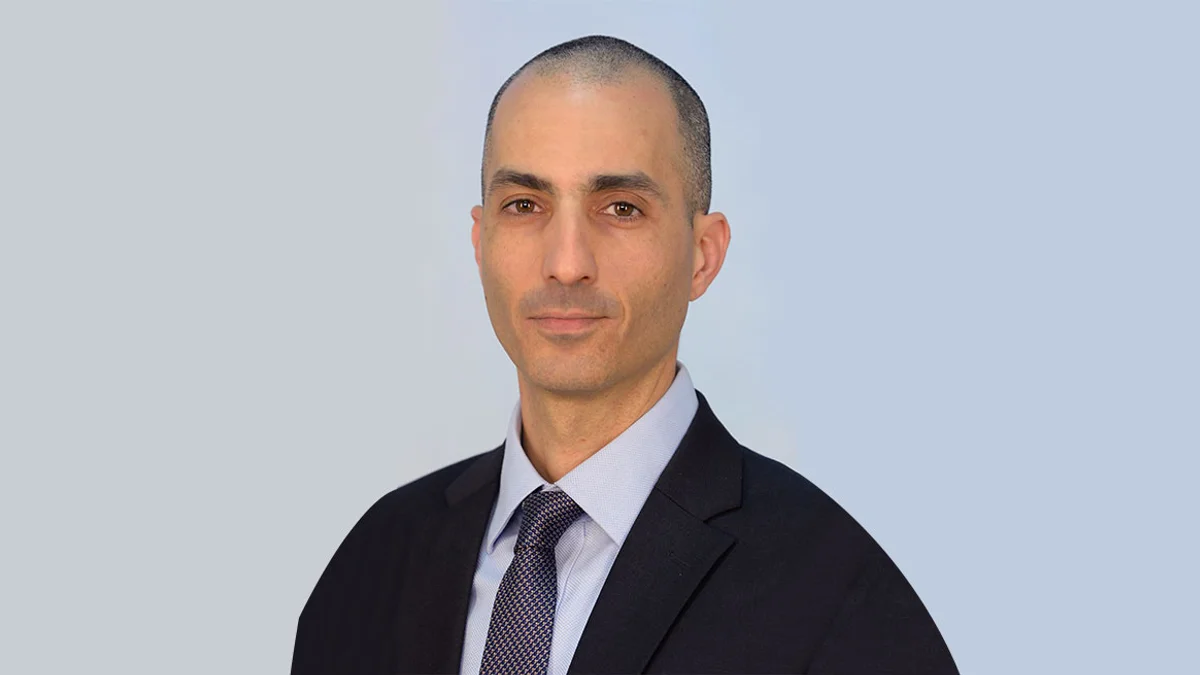
Eyal Hausner, Deputy CEO of the Hausner Real Estate Appraisal office, said: "We do not see a significant gap in the scope of defects or the duration of their repair period between apartment owners who received their apartment as part of an urban renewal project and buyers of new apartments from a developer. However, in our experience, it is possible to streamline the process and minimize risks by choosing professionals who accompany the apartment owners from the very beginning of the journey — first and foremost a lawyer on behalf of the owners, a real estate appraiser, and an inspector who will ensure the appropriate inspection period (badak) guarantees. And also, choosing a developer with experience, financial strength, and a proven reputation in executing urban renewal projects."
Dependency continues over time
If a leak is discovered in an apartment or a malfunction in a common system, the tenants are required to contact the developer, who sometimes refers them to the executing contractor, and they may refer the handling to the subcontractor who performed the work. A professional arrives, performs a point repair, but with the next rain, the dampness returns. In other cases, the tenants receive a promise that the malfunction will be handled, but weeks and even months pass until the arrival of the appropriate professional. Thus, a delay can arise that lasts for a year or two.
The problem worsens when the source of the defect is not inside one apartment, but in the common property. A leak in an apartment can stem from poor waterproofing on the roof, a neighbor's balcony, external cladding, or a common pipe. In such a situation, coordination between several parties is required, and it is not always possible to solve the problem through a small repair inside the apartment where the dampness appeared. In projects of strengthening and adding to an existing building (TAMA 38/1), the difficulty can be even greater due to the connection between the old and new parts, making these junctions sensitive points.
Who bears the responsibility?
The developer and the contractor have a responsibility to repair defects in accordance with the agreement and the provisions of the law, and the inspection periods (badak) vary according to the type of defect. However, the existence of legal responsibility does not necessarily guarantee that the repair will be carried out immediately. If the developer delays or disputes the responsibility, the path may lengthen and even reach a legal proceeding. This is where the lawyer representing the apartment owners comes into the picture, who is supposed to collect the guarantees set in the agreement.
It is necessary to anchor the guarantee, its amount, its validity, and the conditions for its realization in a clear way in the agreement. In addition, it is important to determine how a defect is reported, within what time the developer is required to respond, who is the party that decides in case of a professional dispute, and when the tenants are allowed to perform the repair through another professional.
Choosing the developer should also be based on more than the amount of consideration. The company's financial strength, its experience, the quality of the projects it has already delivered, and especially the service it provides after occupancy are no less important. Before signing, it is worth talking not only with tenants in projects that the developer is promoting, but specifically with tenants in buildings that were already occupied a year or two ago. They will be able to tell if the developer remained available even after receiving the key, and if the defects found were handled quickly or turned into a prolonged struggle. Urban renewal can significantly improve the quality of life, but the problem begins when the defects are substantial and the tenants discover that they have no effective way to compel the developer to handle them.