Not high-tech: Expert estimates - these will be the most in-demand professions in 5 years
The chief economist of OpenAI claims that artificial intelligence will not necessarily eliminate jobs, but may actually make caregiving professions more in-demand and valued than ever before.
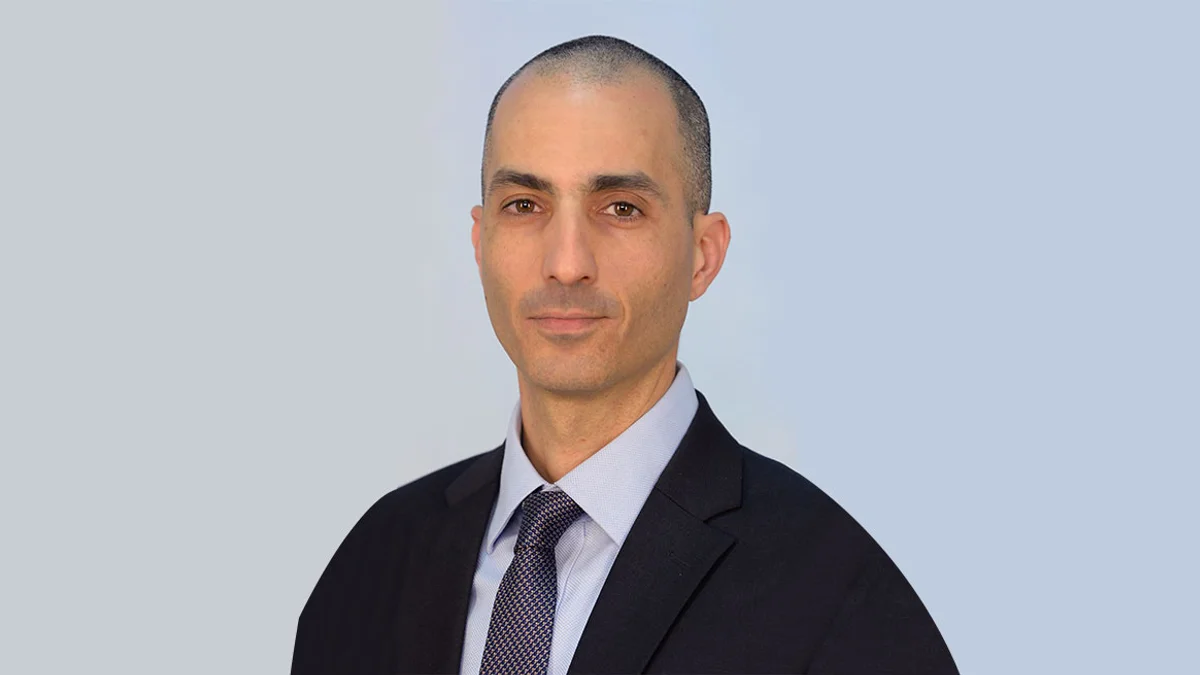
While most of the public discourse surrounding artificial intelligence focuses on jobs that might disappear, OpenAI's chief economist, Roni Chatterjee, points to a completely different direction. According to him, in about five years, some of the most in-demand professions will not necessarily be in the fields of programming or development, but rather in caregiving professions: nurses, teachers, childcare workers, physical therapists, home health aides, and mental health workers.
As reported by NBC News, Chatterjee explains that the impact of AI on the labor market is already happening, but not always in the way expected. Workers are starting to perform tasks themselves that previously required additional people, and the real change in productivity may only appear in statistics in 18 to 24 months.
However, he believes the main story is not just what will disappear, but what will grow: according to his forecast, in an economy where artificial intelligence becomes a common and cheap capability, the demand for genuine human attention will only increase.
As productivity grows and real incomes rise, more families will be able to afford smaller classes, more personalized medical care, ongoing mental support, and quality assistance for the elderly and children. At the same time, AI will be able to take on a large part of administrative work — documentation, summaries, and data tracking — and free up humans for work that requires empathy, judgment, and responsibility.
Data already points to a similar trend. The healthcare and social assistance sector adds tens of thousands of jobs every month, and official forecasts in the US speak of nearly two million additional jobs in the coming decade. In the field of home nursing alone, an increase of hundreds of thousands of jobs is expected, much more than in technology professions.
Chatterjee presents a vision where caregiving professions receive not only high demand, but also respect, fair wages, and reasonable working conditions. In his opinion, this is not necessarily a utopian scenario but a possible result of a combination of increased productivity, a change in public preferences, and the understanding that human attention is a resource that remains scarce even in the age of artificial intelligence.
In other words: while many are looking for the profession "of the future" in the world of technology, the chief economist of one of the world's leading artificial intelligence companies points to a completely different direction — back to humans.