Oil Refineries Ashdod Posts $100M Q4 Profit Amid Surging Margins
Oil Refineries Ashdod posted a $100 million net profit in Q4, driven by soaring diesel and gasoline margins and improved plant utilization reaching 83%.
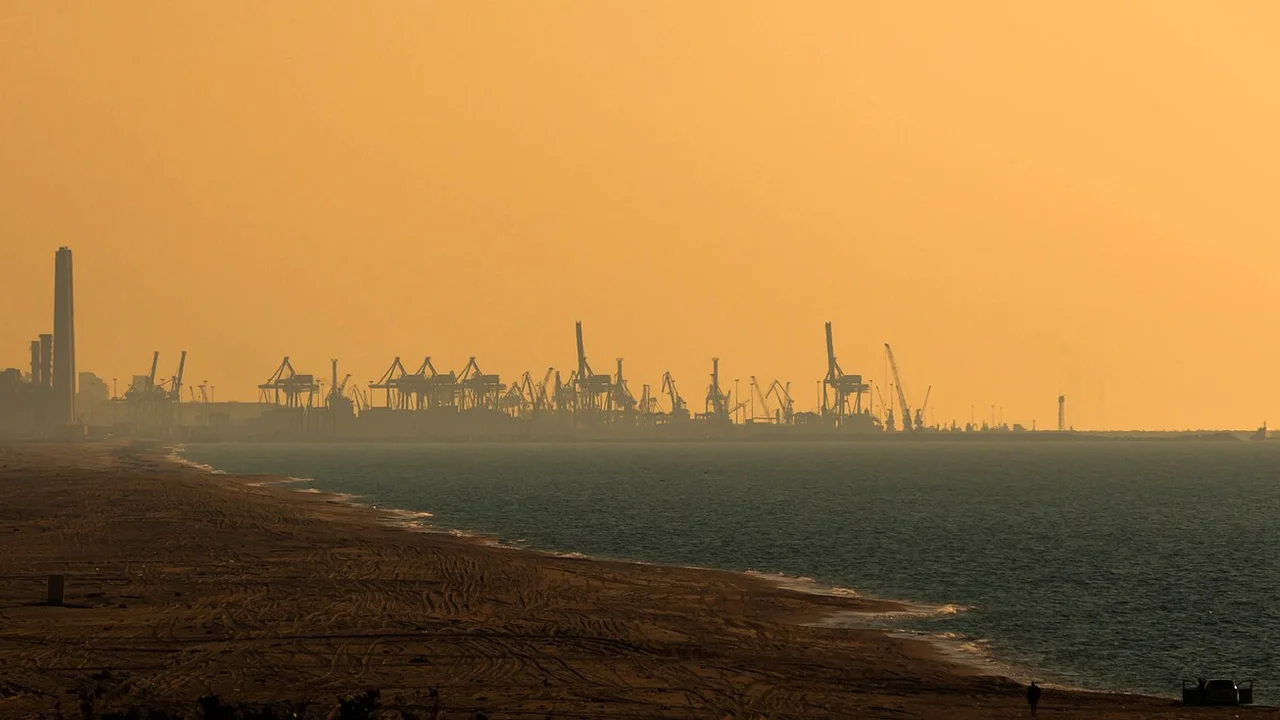
A significant surge in refining margins and an improved utilization rate have propelled Oil Refineries Ashdod from a multi-million-dollar loss to a net profit of $100 million in the final quarter, reversing an $11 million loss recorded in the third quarter of 2025. The company's earnings before interest, taxes, depreciation, and amortization reached $151 million, compared to a negative $6 million in the same period last year. Average refining margins for diesel at the facility climbed to $88.8 per barrel from $27.7 a year earlier, while gasoline margins advanced to $48.6 per barrel compared to $18.9 in the previous corresponding period. Market analysts attribute the margin expansion to reduced refining capacity in the Persian Gulf stemming from regional maritime disruptions, alongside decreased refining output in Russia amid its ongoing conflict with Ukraine. Simultaneously, plant capacity utilization improved markedly from 58% to 83%.
Operational Recovery and Maintenance Outlook
The financial rebound follows a challenging operational phase during the previous year when the facility grappled with contaminated crude oil containing chlorides that threatened production units. The company successfully stabilized operations, though a comprehensive scheduled maintenance overhaul is slated for next year with an estimated price tag of 115 million to 130 million dollars to address lingering facility wear. Negotiations regarding insurance claims and supplier indemnities are progressing, with $58 million already disbursed to the firm and an additional $47 million anticipated from the Azerbaijani crude supplier. Although residual non-compliant crude remains on-site, management has refrained from recording an impairment loss due to rising benchmark crude prices.
Strategic Pivot and Regulatory Control Disputes
Beyond traditional fuel refining, the enterprise is executing a strategic transition toward electricity generation and storage. Early 2027 will mark the commercial launch of a 60-megawatt-hour battery storage facility. The company currently operates two smaller power stations with a combined capacity of 109 megawatts, utilizing approximately one-third for internal refinery operations and commercializing the surplus. Furthermore, governmental authorization has been secured for the construction of a much larger 800-megawatt power station projected to operationalize by the middle of the next decade, transforming the firm into a major electricity supplier.
Concurrently, the financial disclosures highlight an ongoing regulatory battle for corporate control. Shapir Engineering, holding a 10% stake, has petitioned to acquire a controlling 65% interest. While the Concentration Committee advised against approving the transaction in July over infrastructure market concentration concerns, Shapir has since divested its gas distribution operations. Consequently, the Ministry of Finance and the Ministry of Energy have shifted toward supporting the acquisition, arguing that the current absence of a controlling core threatens capital investment and facility development. The earnings report also addresses a severe workplace tragedy from early 2026, noting that two laboratory technicians, Nitzan Goychman and Irena Radchuk, lost their lives in a facility incident, and several company employees, including senior executives, remain under police investigation under suspicion of causing death by negligence.