Baladi Plans FOODCOST Discount Chain With Five Mega-Stores Across Israel
Baladi plans to invest up to 20 million shekels per branch to launch FOODCOST, a discount supermarket chain featuring five mega-stores aimed at offering factory-direct prices.
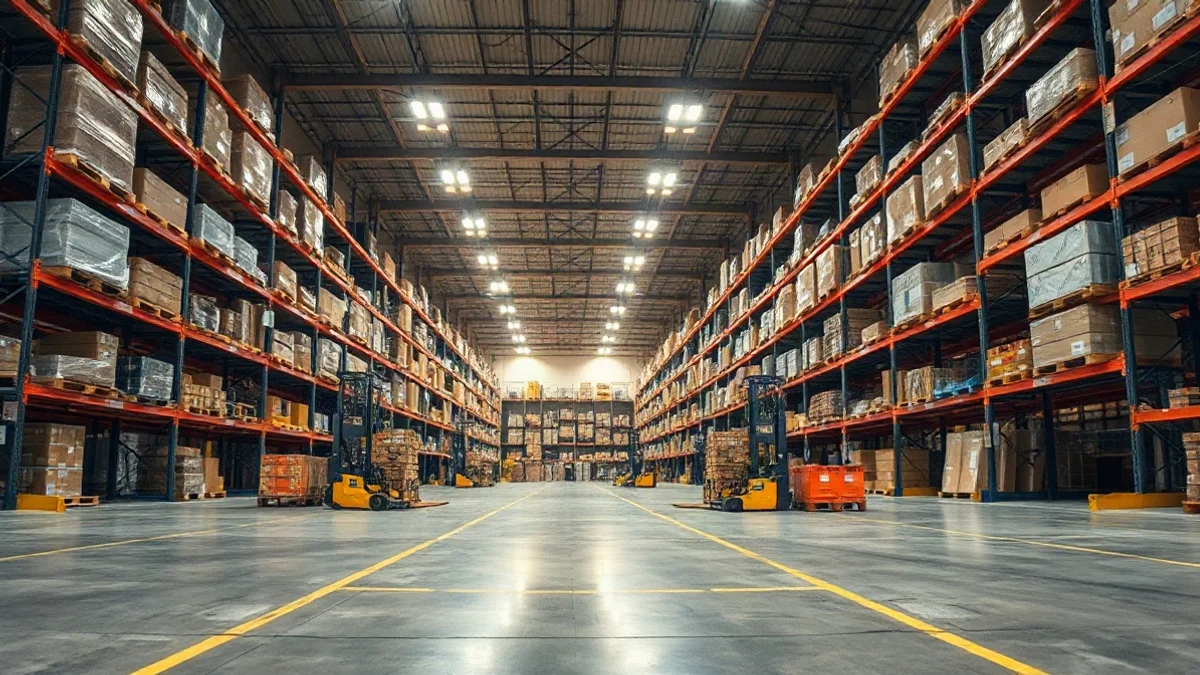
Baladi, a leading Israeli food importer and meat producer controlled by Erez Dahabani, is expanding into the retail sector with plans to establish a discount supermarket chain under the brand name FOODCOST. The company intends to open five massive warehouse-style stores, internally described as the "IKEA of food", over the next five to six years with an estimated investment of 15 million to 20 million shekels per branch. These outlets aim to offer a full range of grocery products at heavily discounted factory-direct prices.
Strategic Expansion and Logistics
The business model leverages Baladi's established market presence in meat, poultry, fish, and frozen vegetables, which typically account for roughly a quarter of standard supermarket sales. The group plans to expand its import operations into additional categories while utilizing its new logistics center in Timorim to drive down costs for items sourced from local suppliers, such as fresh dairy products. By requiring suppliers to deliver goods directly to the central logistics hub rather than to individual storefronts, the company expects to secure distribution allowances that translate into an estimated 10 percent retail price reduction.
Market Context and Financial Performance
The strategic push into discount retail follows strong consumer demand observed at the company's factory store in Timorim. It also comes five months after Shufersal, previously a major client accounting for 12 percent of Baladi's sales last year, decided to transition to independent meat imports. Baladi reported that it no longer has a single material client representing more than 10 percent of its sales, maintaining a diversified distribution network across retail and institutional markets.
Financial results for the third quarter reflected a resilient operational structure despite an 8.9 percent drop in total sales to 390.6 million shekels. Gross profit rose 3.9 percent to 91.3 million shekels, with the gross margin climbing to 23.3 percent from 20.5 percent a year earlier, aided by a stronger shekel that benefits importers. Operating profit grew 13 percent to 54.8 million shekels, while net profit advanced 14.4 percent to 37.4 million shekels, bolstered by a 40 percent decrease in financing expenses.