Ramla Implements Long-Term Financial and Community Strategies for Urban Renewal
Ramla is advancing 19 urban renewal projects with a comprehensive strategy that includes a 10-year developer-funded maintenance subsidy, park upgrades, and continuous municipal guidance.
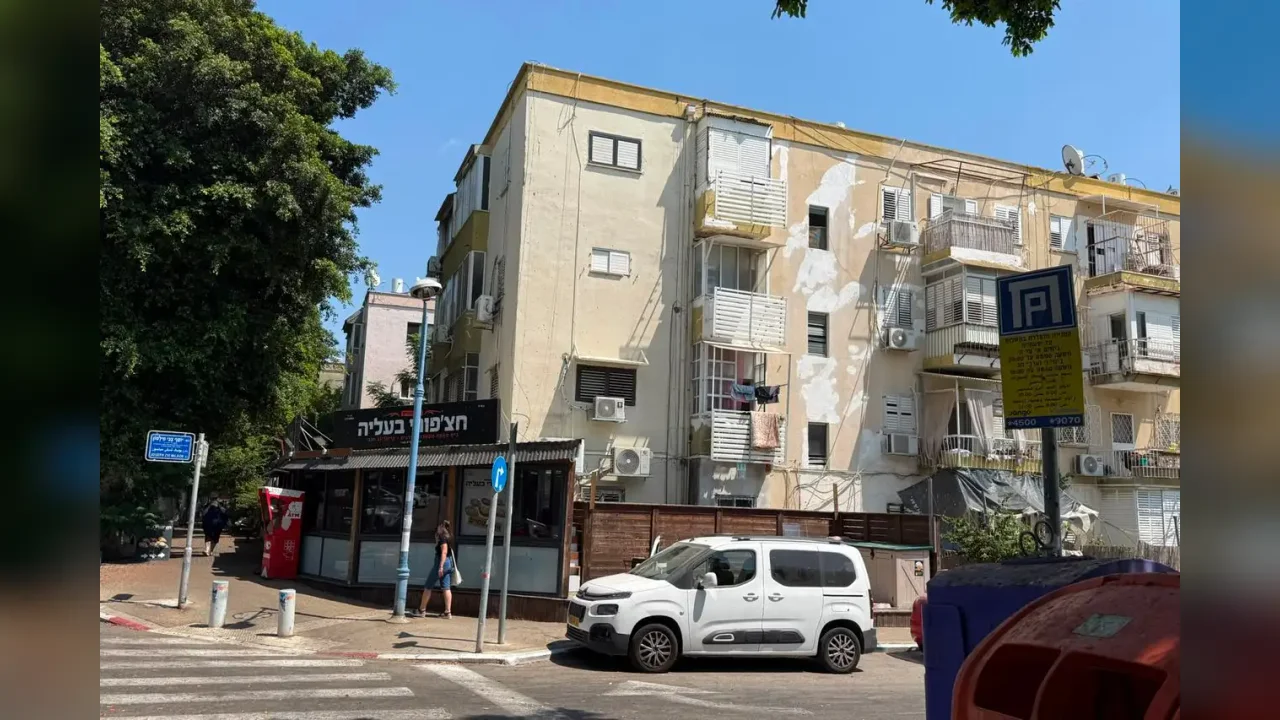
Urban renewal has traditionally been measured by quantitative milestones, such as approved plans, newly added housing units, and the replacement of older buildings with high-rises. However, as urban renewal accelerates, municipal authorities face a critical question regarding post-occupancy stability and long-term community resilience.
In Ramla, where 19 urban renewal projects are currently underway—including nine approved plans and 10 in various developmental stages—officials are addressing these challenges directly during the preliminary planning phases. The municipal administration views renewal not merely as physical construction, but as a comprehensive upgrade of the living environment designed to protect long-standing residents and preserve existing community fabrics.
Financial Protections and Maintenance Support
A primary hurdle in urban regeneration is the transition from aging structures to modern residential towers equipped with elevators, subterranean parking, advanced infrastructure, and shared facilities. While these amenities significantly enhance residential quality, they often introduce higher routine maintenance costs for returning residents.
To mitigate this economic burden, Ramla has integrated a binding contractual mechanism in developer agreements. Under this arrangement, developers finance management and maintenance fees for a period of 10 years for eligible displaced residents. This framework ensures that long-term community members can comfortably adapt to their new surroundings without immediate financial distress, reinforcing the principle that urban renewal must safeguard the economic security of original homeowners.
Infrastructure Development and Neighborhood Integration
This holistic strategy is clearly visible in the Ben-Gurion neighborhood, a major hub for urban renewal where the first project commenced earlier this year with the demolition of older structures. Beyond residential construction, the municipality is advancing comprehensive upgrades to Ofer Park, a vital green anchor for the evolving district.
The park enhancement project encompasses the modernization of the existing sports hall, renovation of athletic courts, installation of advanced leisure facilities, and a complete overhaul of public green spaces. These improvements aim to accommodate anticipated population growth while fostering a vibrant community focal point for sports, culture, and social interaction. Additionally, municipal planners are advancing initiatives for the neighborhood's former school site to expand educational infrastructure for incoming families.
Municipal Guidance and Leadership Perspective
Comprehensive oversight forms another cornerstone of Ramla's renewal model. Through the dedicated Urban Renewal Administration, the municipality maintains continuous engagement with residents from early planning and organizational stages through execution, occupancy, and post-move-in support. This structured guidance helps identify evolving needs, resolve operational challenges, and maintain open communication between residents and professional stakeholders.
Ramla Mayor Michael Vidal emphasized that public accountability remains central to the entire development lifecycle.
"Urban renewal is first and foremost an obligation toward the people who live in the city," Mayor Michael Vidal stated. "Our responsibility is to ensure that long-term residents can continue living in their neighborhoods with dignity, security, and a higher quality of life."
Local authorities stress that the true measure of urban renewal extends beyond tower heights and unit counts. By combining long-term planning, public space investments, economic safety nets, and continuous community guidance, Ramla aims to build sustainable neighborhoods where infrastructure, educational institutions, and public spaces meet the demands of future generations.