Netanyahu Expresses Readiness for Rotation: What Are the Legal Hurdles?
Benjamin Netanyahu expressed readiness for a rotation with Gadi Eisenkot, raising complex legal questions regarding his ability to serve as a minister or alternate prime minister while facing a pending indictment.
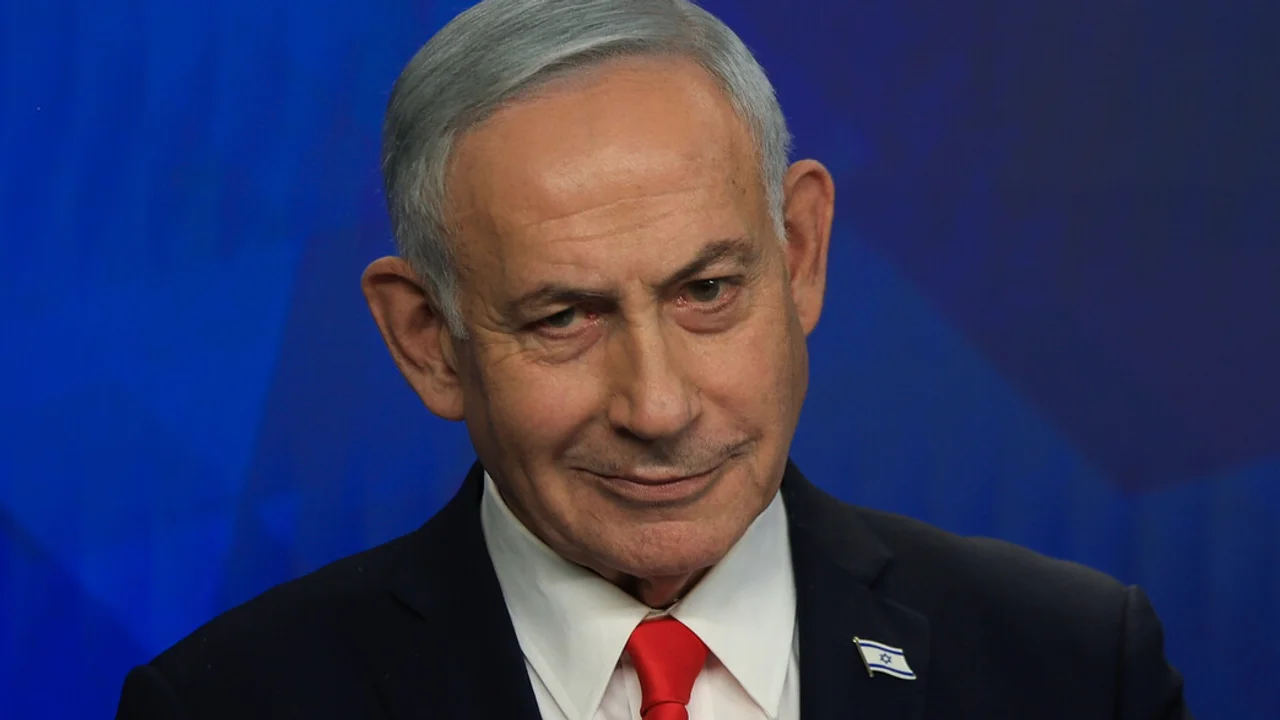
Prime Minister Benjamin Netanyahu has expressed readiness to serve in a rotational government as the second leader alongside Gadi Eisenkot. While this political proposal opens the door for potential coalition talks, it immediately raises significant legal and constitutional hurdles regarding his capacity to hold ministerial office or serve as an alternate prime minister while an active criminal indictment hangs over him.
Legal Hurdles to Serving as a Minister
Netanyahu's announcement follows recent developments in his ongoing trial, where Jerusalem District Court judges noted difficulties concerning the bribery charges in Case 4000 and raised doubts regarding Case 2000. Despite these courtroom observations, the formal indictment remains pending. Should the parties agree to a rotation where Eisenkot takes the helm first, Netanyahu's appointment as a minister would face a major legal barrier rooted in precedent.
This barrier stems from two landmark High Court of Justice rulings in 1993 involving then-Interior Minister Aryeh Deri and Deputy Religious Affairs Minister Raphael Pinhasi. In those rulings, the High Court determined that in cases involving serious indictments, the prime minister's authority to dismiss a minister or deputy minister can become a mandatory obligation. Then-Prime Minister Yitzhak Rabin was consequently required to terminate their tenures. Although criticized over the years for judicial intervention in executive discretion, the Deri-Pinhasi doctrine remains active law.
Dr. Elad Gil of the Tachlit Institute explains that the Deri-Pinhasi doctrine heavily restricts Netanyahu from serving as a minister. "Under the Deri-Pinhasi ruling, Netanyahu's appointment as a minister is likely impossible," Gil noted. "This doctrine governs the discretion of a prime minister responsible for appointing and dismissing ministers, establishing that appointing an individual facing a public corruption indictment severely undermines public trust in the government and thus exceeds the bounds of reasonableness."
According to Gil, an alternative approach would involve legislative amendments to override the Deri-Pinhasi ruling and permit Netanyahu to serve as a minister during Eisenkot's tenure as prime minister. However, such a legislative push would likely encounter fierce legal challenges of its own.
The Alternate Prime Minister Model and Legislative Obstacles
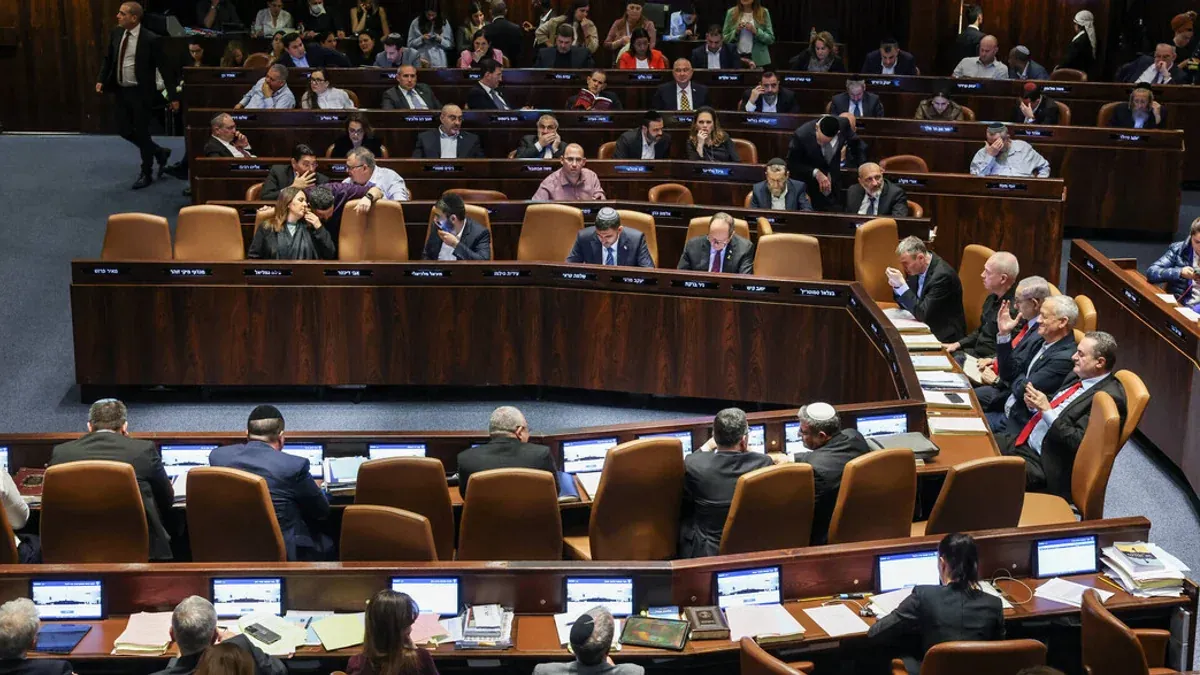
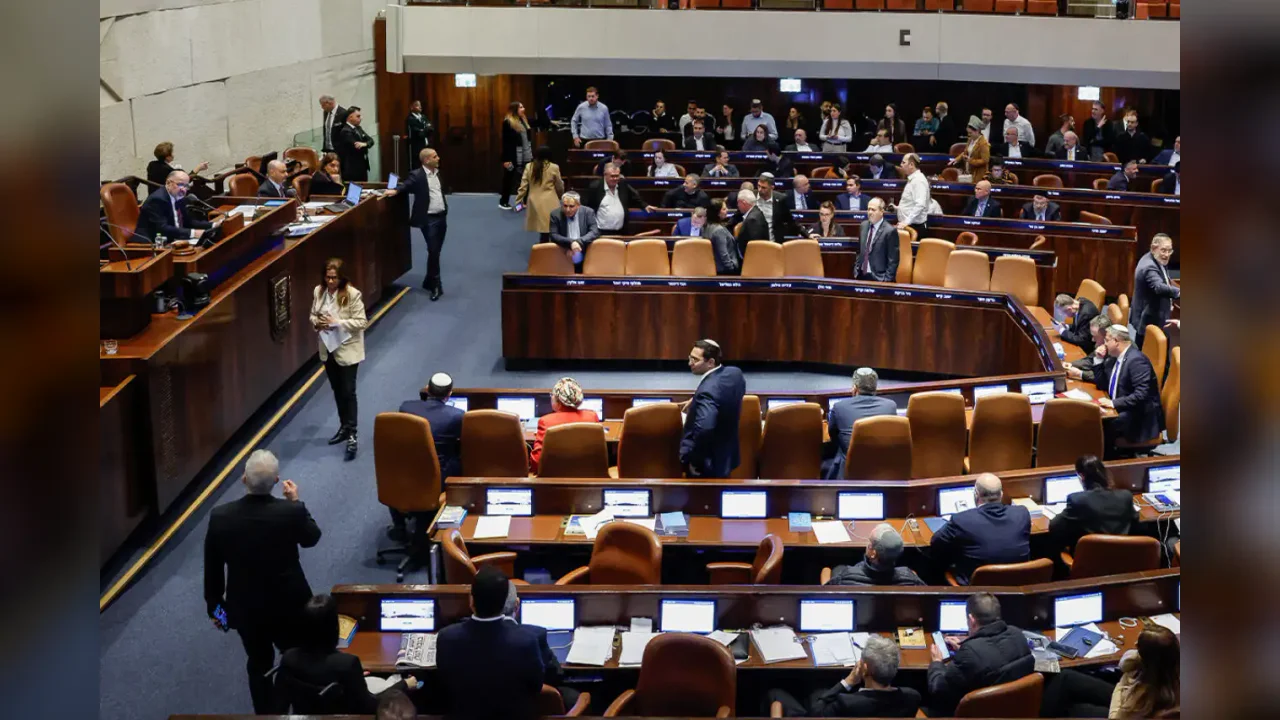
Under the rotation framework proposed by Netanyahu, an alternative path involves serving as an alternate prime minister during the first phase of the agreement. This specific office was originally created by the Knesset in 2020 under a coalition agreement, amending Basic Law: The Government to establish an "alternate government" framework. This mechanism allowed the Knesset to pre-approve both the prime minister and the alternate prime minister, setting a fixed date for their rotation.
However, the Knesset abolished this arrangement in 2025, with the repeal taking effect at the start of the 26th Knesset. To implement the rotation model suggested by Netanyahu, the Knesset would need to amend the Basic Law once again and formally reinstate the alternate prime minister position.
Serving as Prime Minister in the Second Rotation
In contrast to the ministerial hurdles, the legal path for Netanyahu to serve as prime minister in the second half of the rotation is clear. In May 2020, an 11-judge panel of the High Court of Justice unanimously dismissed petitions challenging Netanyahu's mandate to form a government.
The justices ruled that under statutory qualification criteria, a pending indictment against a member of the Knesset does not legally bar them from being tasked with forming a government or serving as prime minister. Under this established precedent, the ongoing indictment poses no legal barrier to Netanyahu serving as prime minister in the latter half of a rotational agreement.