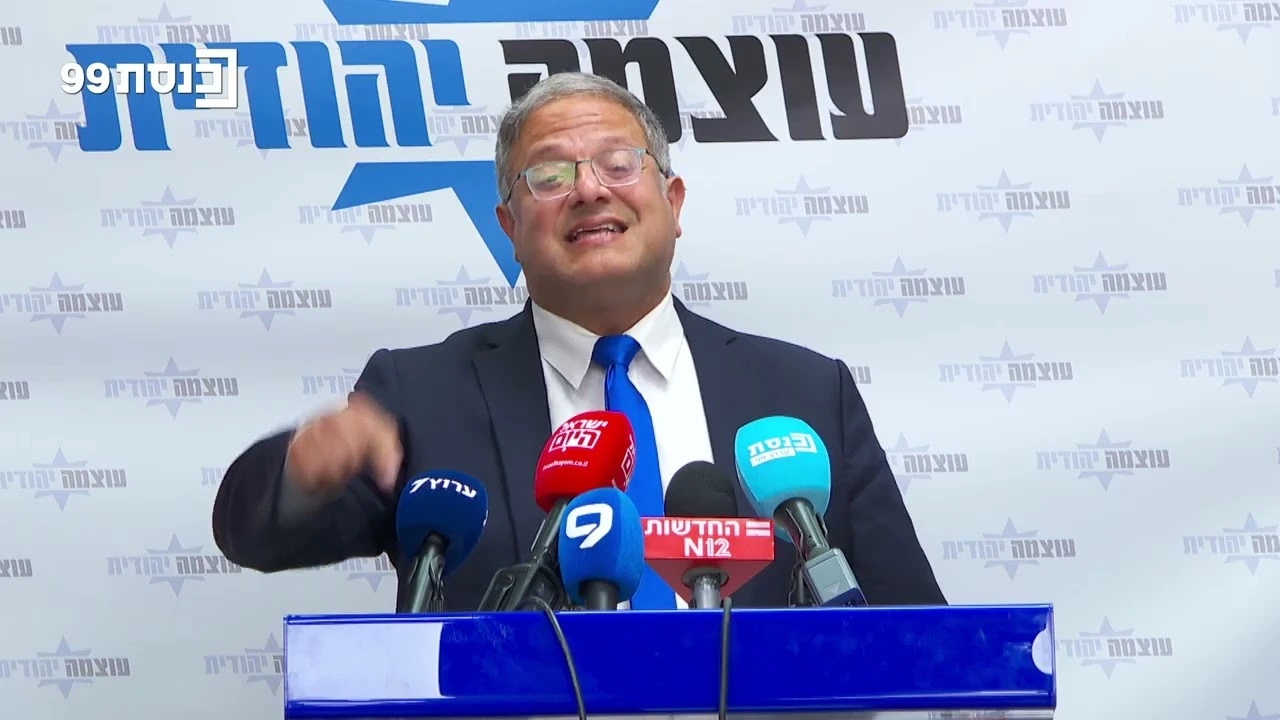
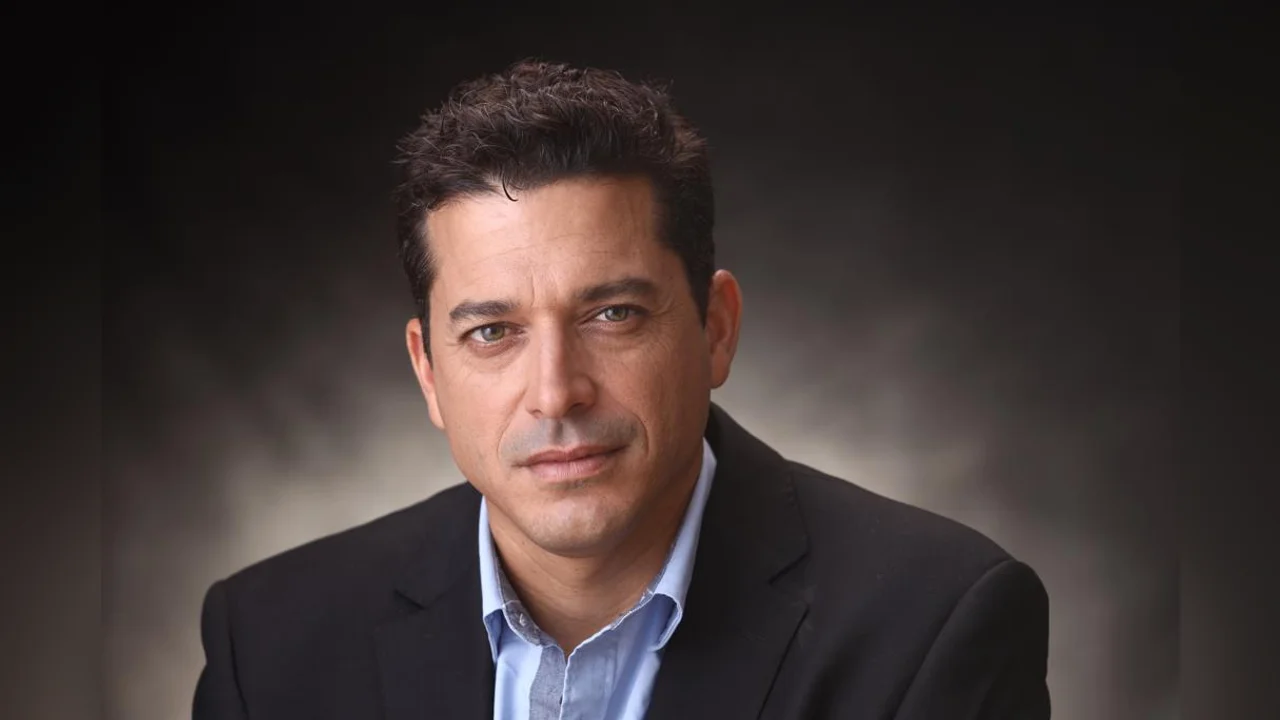
Bennett Outlines Unity Terms as Regional Tensions and Coalition Talks Mount
Naftali Bennett outlined conditions for a unity government led by Gadi Eisenkot as coalition talks advance, while regional capitals brace for potential military escalation.
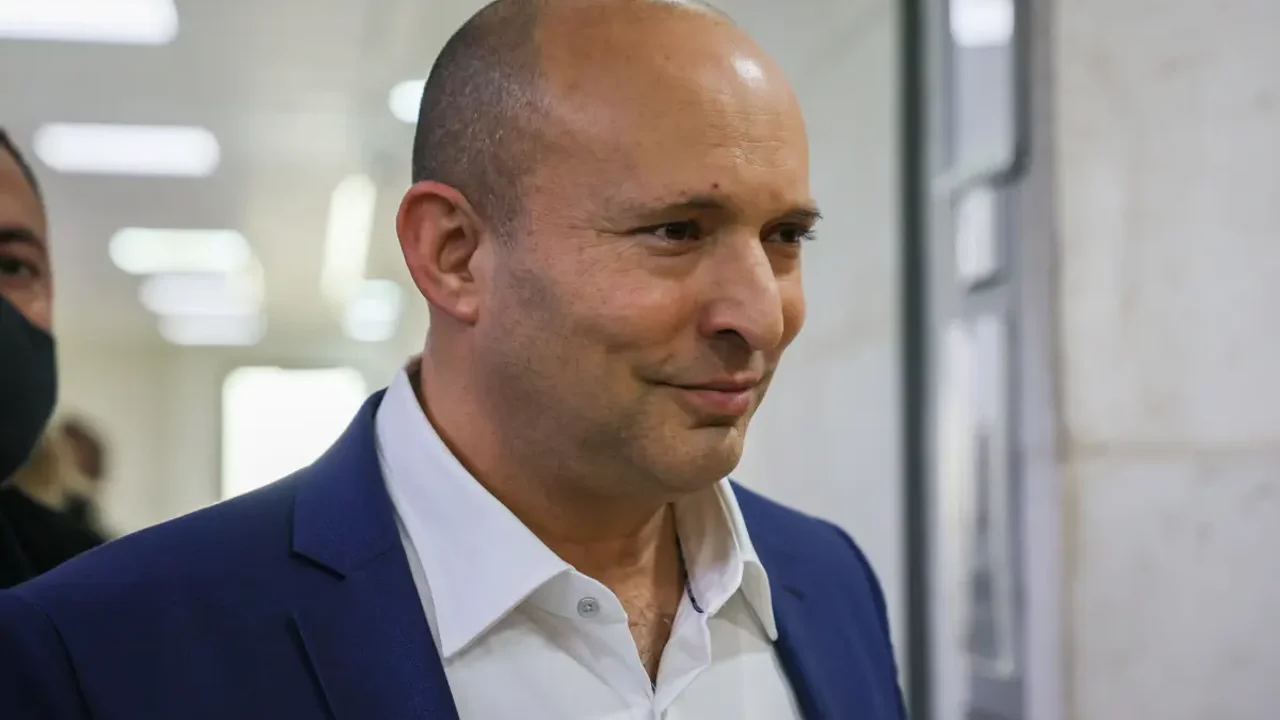
Israel faces a politically turbulent period as coalition negotiations unfold alongside heightened regional security tensions. Naftali Bennett confirmed that if Benjamin Netanyahu rejects his terms, the political landscape will shift toward alternative arrangements. Bennett emphasized his preference for a Zionist unity government led by Gadi Eisenkot, noting that any future military conscription framework will be rigorously evaluated based on its commitment to serving soldiers.
Meanwhile, Mansour Abbas has reiterated his alignment with the Change Bloc. According to local media reports, the Ra'am party leader is expected to demand two ministerial portfolios in the prospective cabinet led by Eisenkot while expressing readiness to cooperate on sensitive national security issues. These developments coincide with United Torah Judaism party leaders awaiting rabbinical guidance regarding coalition participation.
Security Incidents Abroad and Regional Fears
International developments also highlighted rising friction. Hapoel Be'er Seva fans and Turkish nationals clashed at the airport in Batumi, Georgia. While team players and staff members were separated from the crowd and placed under heavy security guard, Israeli flags were displayed, anti-Israel chants were heard, and local police intervened to restore order. In another overseas incident, 34-year-old Israeli businesswoman Hilla Suissa was arrested at Samui Airport in Thailand on allegations of acquiring real estate illegally and providing false information to authorities, though she firmly denies the accusations.
Domestic environmental concerns also came to the forefront in Herzliya after a section of the cliff at the Apollonia Nature Reserve collapsed for the second time this year. Mayor Yariv Fisher warned that officials can no longer rely on chance, calling the morning collapse a stark reminder of ongoing geological hazards. In the West Bank, three electric utility workers sustained injuries when masked assailants attacked them in Benjamin. The IDF condemned the assault severely, noting that while the maintenance work was only partially coordinated and lacked dedicated military escorts, the perpetrators severely undermine national security.
Geopolitical Warnings and Regional Escalation
Regional actors have expressed deep apprehension regarding potential Israeli military actions. Arab media reports indicate that Western nations have issued warnings to Beirut over fears that Prime Minister Netanyahu might launch preemptive strikes in Beirut or Iran to disrupt the formation of an Eisenkot-led government. Senior regional officials warned of an uncontrollable explosion if such a strike occurs.
Adding to the international dialogue, former US CIA Director Mike Pompeo assessed that ongoing American pressure on Iran could trigger a full-scale military escalation involving Israel and Gulf states determined to break the siege. Meanwhile, former Qatari Prime Minister and Minister of Foreign Affairs Sheikh Hamad bin Jassim Al Thani discussed the trajectory of regional relations and Israel's strategic objectives regarding Iran. In Europe, Polish Foreign Minister and Deputy Prime Minister Radoslaw Sikorski addressed bilateral relations and warned against domestic antisemitic cooperation in a televised interview, while an Azerbaijani television presenter criticized Turkish media and opposition figures in a live broadcast for displaying hypocrisy toward Israel given economic ties and humanitarian assistance following past earthquakes.