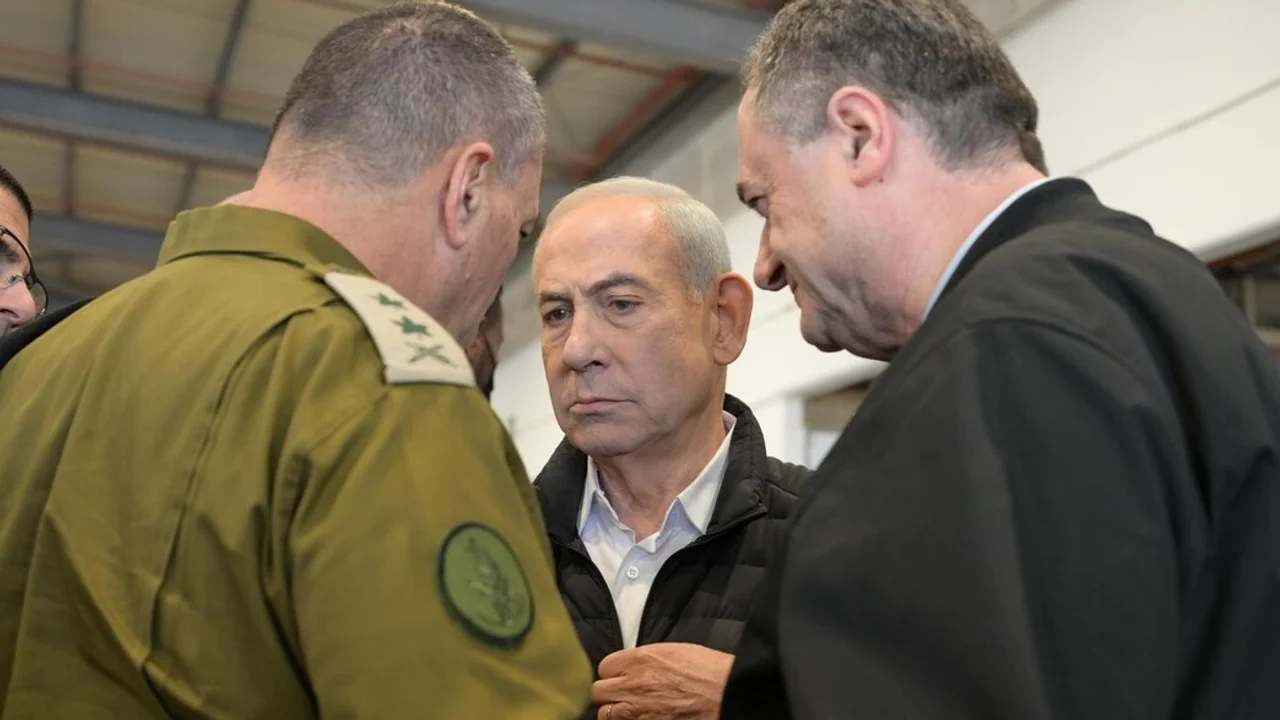
Knesset Draft Law Negotiations Focus on Rabbinical Red Lines and Oversight
The political formation of Israel's next government depends on hammering out a compromise draft law. Rabbinical leaders and legal experts are negotiating terms for yeshiva oversight and military exemptions.
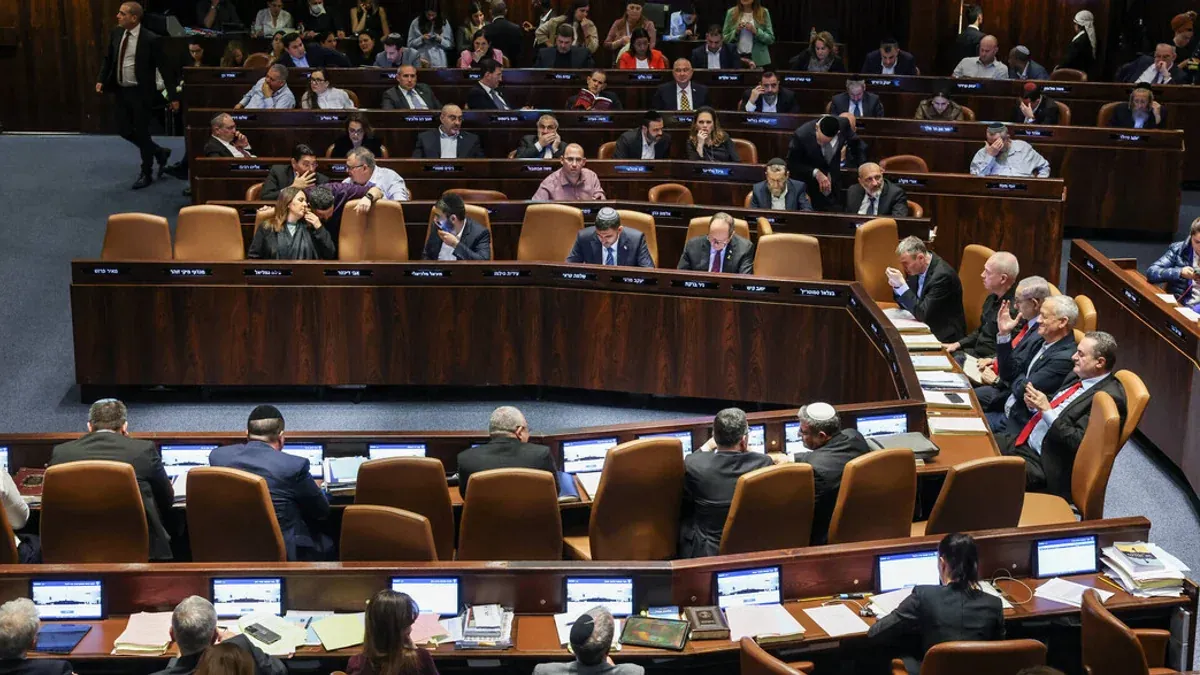
The prospective government led by the Change Bloc hinges on a single legislative hurdle: forging a draft law acceptable to all political factions. Ultra-Orthodox leadership has staked out its red lines on the issue, while legal experts assemble behind the scenes to draft a compromise framework that can pass judicial review.
The Ultra-Orthodox Stance and Rabbinical Red Lines
The framework endorsed by Dov Lando, spiritual leader of the Lithuanian stream, centers on protecting full-time yeshiva students. Under this stance, anyone genuinely devoted to Torah study will be permitted to remain in their institution without fear of arrests, persecution, or coercion from enforcement authorities.
However, recognizing political reality, the rabbinical leadership acknowledges that a compromise will require accepting some form of oversight and enforcement mechanisms within the yeshiva world. While genuine scholars will remain untouched, individuals who fail to meet study requirements or lack recognized enrollment may face sanctions.
Discussions are also examining the establishment of specialized military tracks tailored to ultra-Orthodox lifestyles and community needs. Although substantial gaps remain regarding the precise scope of enforcement and penalties, the willingness to discuss oversight signals notable flexibility from the leadership.
Legal Architects and Coalition Dynamics
Drafting the legal architecture for the enlistment framework has fallen to two prominent attorneys with backgrounds connected to high-profile state litigation. Yashar! leader Gadi Eisenkot has enlisted former Deputy Attorney General Raz Nizri for the negotiations, while United Torah Judaism has retained Boaz Ben Zur, who previously represented Prime Minister Benjamin Netanyahu.
Legal experts emphasize that any draft formula will face rigorous scrutiny from the High Court of Justice and the Attorney General's Office. Following the events of October 7, 2023, judicial review evaluates legislative exemptions not only through the lens of equality but against wartime security requirements and constitutional mandates.
Political sources indicate that ultra-Orthodox representatives acknowledge the inevitability of sanctions for non-compliant individuals, pressing for a formula that replaces criminal penalties—such as the arrest of draft evaders—with measured financial sanctions designed to incentivize the enlistment of non-studying youths.