The Battle for History: How Israel's Political Leadership Manages the October 7 Narrative
An investigation reveals systematic efforts by Prime Minister Benjamin Netanyahu's office to control the historical narrative of the October 7 massacre through altered transcripts, restricted documentation, and managed archives.
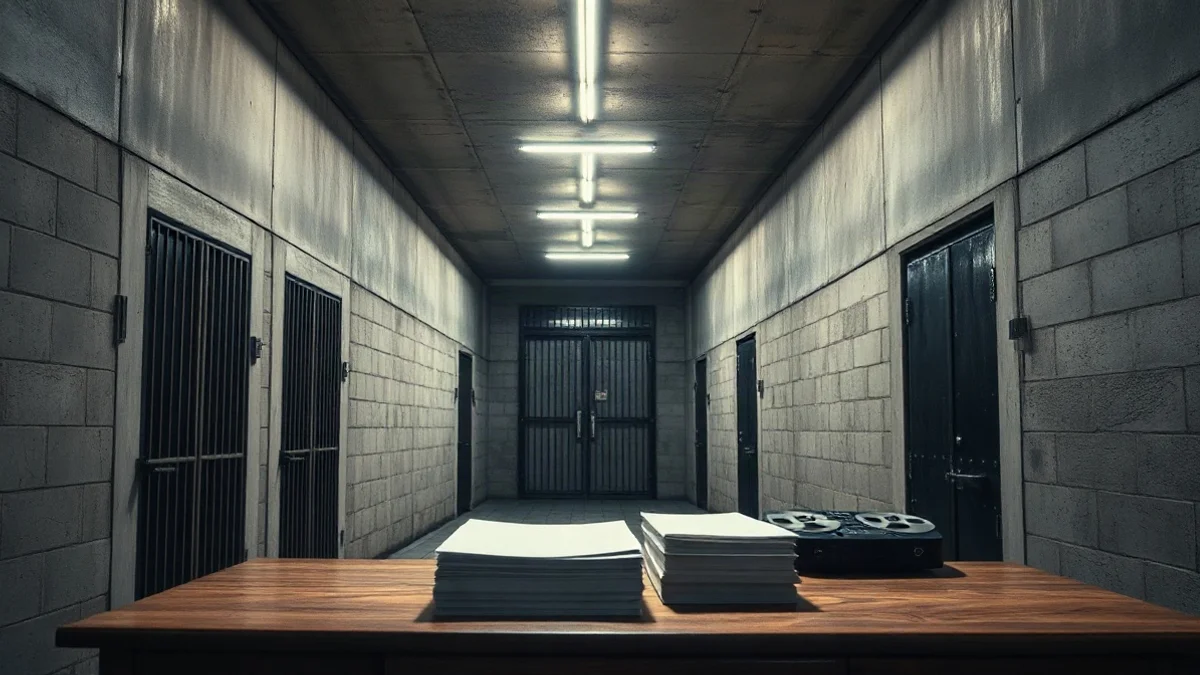
The battle for historical narrative surrounding the October 7 massacre and the ongoing war in Gaza has become a central internal conflict in Israel, running parallel to the military operations. Senior officials, including former military and political figures, have detailed systematic efforts by Prime Minister Benjamin Netanyahu and his associates to control information, alter transcripts, and manage public memory.
In the early days of the war, meetings of the high command and the security cabinet took place in "The Bor" (The Pit), the underground command center at the Kirya military base in Tel Aviv. Automated recording systems captured tense exchanges, including instances where officials criticized the military leadership as events unfolded. However, recordings were soon halted, and meetings were shifted to locations where the Prime Minister's Office retained direct control over documentation.
According to military sources, steps were taken to limit note-taking during critical security discussions. Defence Minister Yoav Gallant's aides and other participants were frequently ordered to stop writing down remarks. Concurrently, reserve officers were mobilized to review archives and compile material that would eventually form the basis of the Prime Minister's public defense regarding the events leading up to October 7.
Legal scrutiny has also focused on allegations of protocol tampering. Former military secretary Avi Gil testified regarding an attempt to alter the timestamp of a crucial early-morning phone call on October 7 to make it appear as though Netanyahu had issued firm operational directives earlier than recorded. The case involving former chief of staff Tzachi Braverman has drawn investigative interest, though Braverman has maintained that the discrepancies were technical errors rather than intentional alterations.
Beyond meeting transcripts, the handling of captured Hamas documents—often referred to as spoils of war—has raised questions regarding transparency and information control. While extensive archives containing internal Hamas directives, political assessments, and intelligence files were captured in Gaza, access to these materials has been heavily regulated. Critics and security sources have suggested that certain documents potentially damaging to the political establishment's narrative were restricted from public view, although military authorities maintain that access limitations are governed strictly by operational security and intelligence protection standards.
As political tensions persist ahead of the upcoming Knesset elections scheduled for October 27, 2026, the struggle over documentation, state archives, and the official version of events remains a contentious issue among political actors, legal authorities, and the public.