Netanyahu in the 'Patriots' studio: 'Ofer Winter could harm the right-wing bloc'
Prime Minister Benjamin Netanyahu was a guest on the 'Patriots' program on Channel 14. During the interview, he discussed security issues, the Iranian threat, judicial reform, and the need for the right-wing camp to consolidate before the elections.
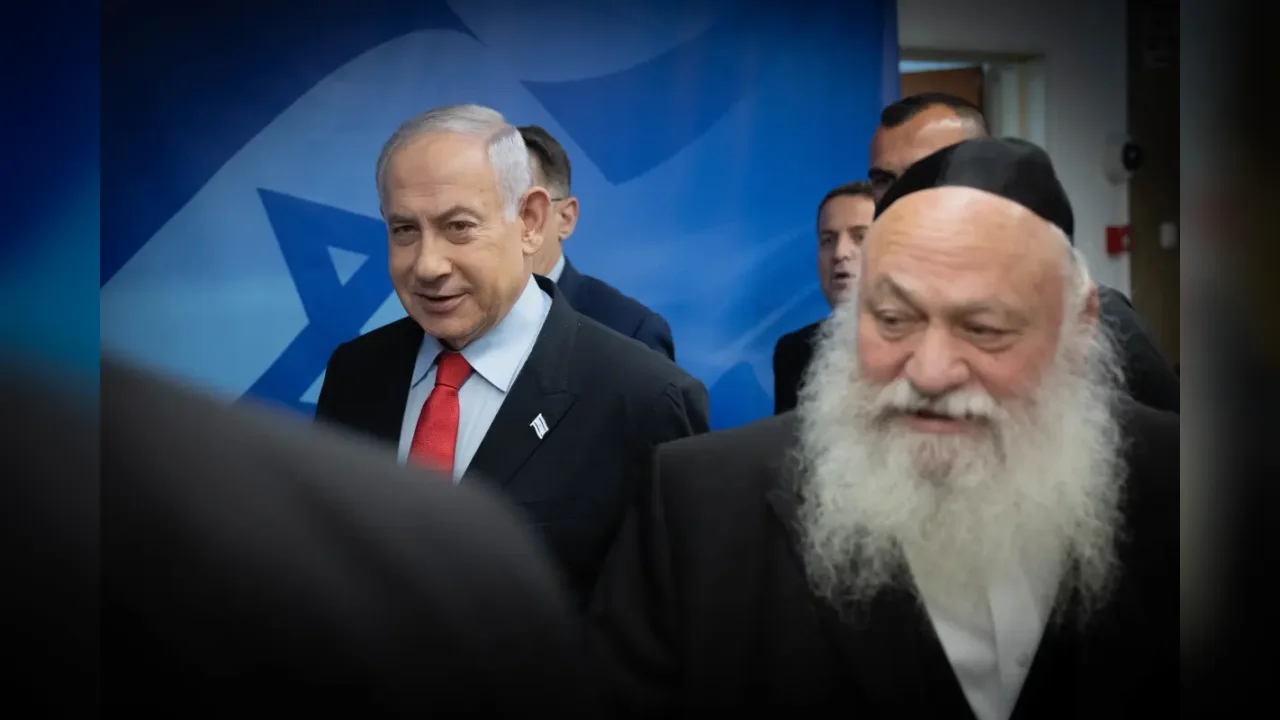
Prime Minister Benjamin Netanyahu was a guest this Sunday on the 'Patriots' program on Channel 14 for a special interview with Yinon Magal, in the midst of the election campaign. During the interview, Netanyahu addressed a wide range of security and political issues, including the campaign against Iran and Hamas, the situation in the West Bank, the possible unification of right-wing parties, and judicial reform.
Upon entering the studio, Netanyahu was greeted with chants of 'Bibi, King of Israel'. The Prime Minister replied that he is 'not a king, but must be elected', and turned to the audience with a request to support him in the elections.
Netanyahu positioned dealing with Iran as one of the central tasks facing Israel. According to him, Iran is still interested in restoring its nuclear program, despite the damage it has sustained. 'We must defeat this regime, I am committed to it, and it is possible,' said Netanyahu, adding that Iran will not have nuclear weapons as long as he is Prime Minister.
The Prime Minister claimed that Israel has already recorded significant achievements in the regional campaign. 'We crushed Hamas, we toppled the Assad regime. These are things that would have been inconceivable,' he said, adding in reference to the Air Force's activity: 'That our pilots would fly over Iran — who thought of that?'
Netanyahu claimed that defeating the regime in Tehran could also influence the continuation of the campaign against Hamas and Hezbollah. According to him, after completing the mission against Iran, it will be possible to complete their disarmament as well.
During the interview, Netanyahu criticized those who called to stop the fighting or avoid certain actions. He referred, among others, to Gadi Eisenkot, claiming that he had previously opposed completing the move in Rafah. Netanyahu expressed support for exposing the protocols from the war discussions, so that the public could examine the conduct in those days.
Regarding the continuation of the fighting, he said: 'I will not go back, despite international pressure. Israel will continue to act until the goals it set for itself are completed'. On the subject of Hamas, Netanyahu presented a clear position: 'The plan for Gaza is the elimination of Hamas. We will disarm them the easy way or the hard way, I am committed to it and I will do it'.
One of Netanyahu's central messages dealt with the danger of losing votes within the right-wing bloc. He mentioned the 1992 and 2019 elections as examples of situations where votes for right-wing parties that did not pass the electoral threshold prevented the establishment of a right-wing government. 'I am doing everything in my power to unite the people and these parties, because the left is united. If we do not unite, we will not win,' he said.
He welcomed the contacts between Bezalel Smotrich and Moshe Feiglin, calling their potential union a 'huge blessing', but criticized Itamar Ben Gvir for his opposition to the move.
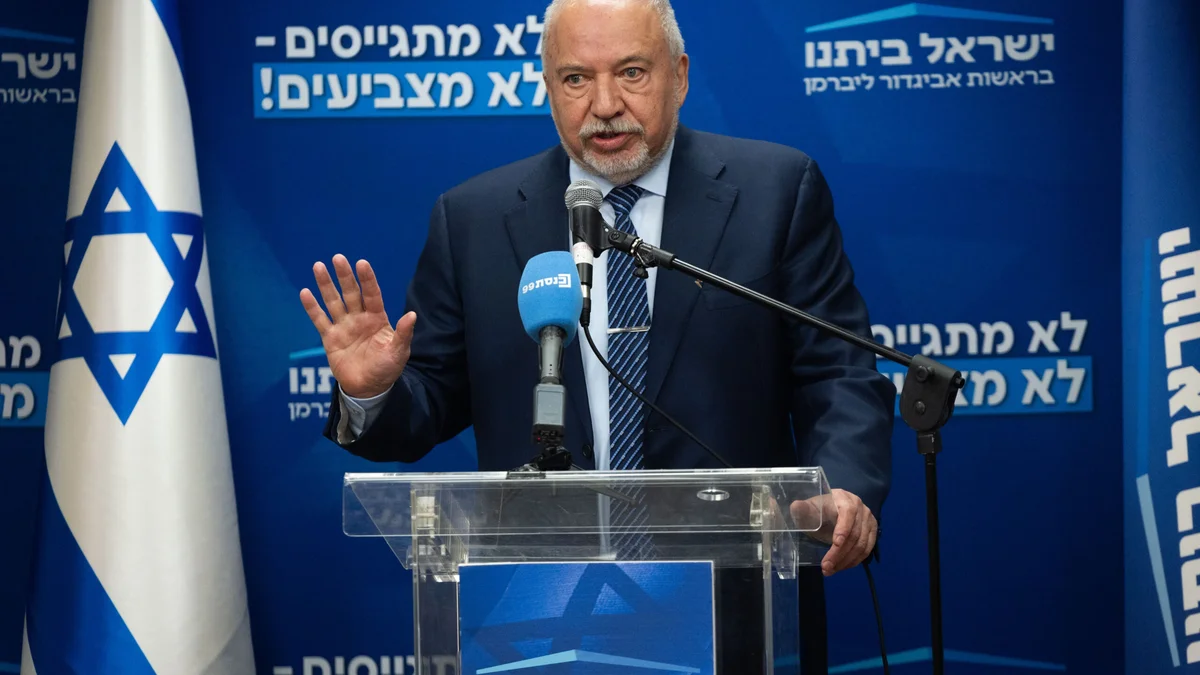
Netanyahu also addressed the entry of Ofer Winter into politics with the 'Am Yisrael' party, noting that he had offered him to join the Likud. 'I am afraid that this party could either burn votes or cause the fall of one of the parties I spoke about,' he said, adding that he values an unequivocal political commitment.
Netanyahu also addressed the events involving Jewish youth in the West Bank, calling it a limited phenomenon, and emphasized that the government is committed to settlement development: about 84 settlements and 150 farms were established or regulated during his tenure.
Netanyahu also addressed the aid to reservists, stating that the government granted them benefits in the amount of 25 billion shekels and approved a plan allowing reservists who do not own a first apartment to receive land in the Galilee and Negev with a 25% discount.
Also, judicial reform came up in the interview. Netanyahu admitted that the move has not achieved all its goals of restoring balance between the branches of government so far. 'There is an understanding that it is necessary to restore balance, and I am committed to doing it,' he said, noting that if he receives a mandate, he will promote further changes, including the reform on appointing judges.
Later, Netanyahu was asked about the events of October 7 and whether the result would have been different if he had received a warning during the night preceding the attack. 'It would have looked completely different, that is the truth,' he replied. He opposed the establishment of a state commission of inquiry in a format he calls an 'equal commission of inquiry', considering its conclusions a 'foregone conclusion'.
On the issue of the draft law, Netanyahu said that the law did not pass due to management mistakes, but emphasized: 'Those who do not study Torah will be drafted. As for those who refuse to be drafted, let him go to prison immediately, I am not willing to accept it'.
Netanyahu ended the interview with a sharp message: 'We can deteriorate all at once. The existence of the state is at stake in these elections'.