Nesher Mayor Criticizes Tivon Nvidia Campus Site and Regional Transport Lags
Nesher Mayor Roi Levy warns that Nvidia's planned campus in Kiryat Tivon faces severe infrastructure hurdles, while criticizing regional transport lags and calling for universal civic service.
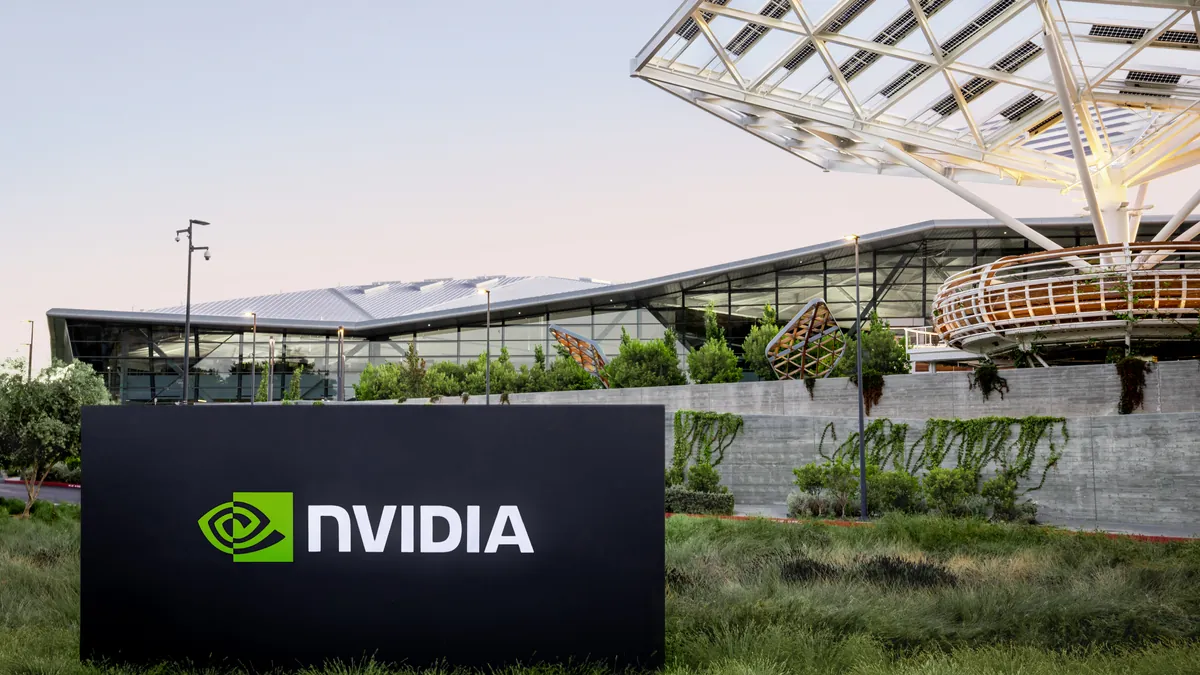
The choice of Kiryat Tivon as the prospective location for Nvidia's major new Israeli campus continues to generate fierce debate among local leaders, with Nesher Mayor Roi Levy warning that the designated site faces severe logistical and infrastructural hurdles.
Infrastructure and Transportation Hurdles
Speaking to the press, Levy argued that the chosen land near Kiryat Tivon was originally slated for other municipal purposes, including a transport terminal and an ecological corridor that would now require cancellation. He also pointed to close proximity to flood-prone areas, high-voltage power lines requiring years to bury, and clay soil that complicates the construction of large underground parking facilities.
"Where will six thousand employees live? There is no public transit there except for a bus on the road, and single-lane roads that cannot be expanded due to surrounding plans," Levy stated.
In contrast, Levy noted that Nesher had offered a prepared site adjacent to land designated for housing, schools, and commercial ventures, allowing employees to live near their workplace. Despite Tivon council head Idan Greenblum's efforts to promote a local railway station, Levy estimates that regulatory approvals and construction timelines mean the Tivon campus will not open before 2034 or 2035.
Haifa Metropolis and Public Transit Disparities
Levy also criticized the broader infrastructural lag in the Haifa metropolitan area compared to central Israel, particularly the reliance on surface transit lanes rather than underground metro networks. He contrasted Haifa's transport projects with Tel Aviv's underground development and questioned the toll fees on the Carmel Tunnels, noting that Jerusalem's tunnel infrastructure operates toll-free.
Addressing the future of the Bazan oil refineries and TMA 75, Levy insisted that the facility will not shut down in 2029 without concrete state-provided alternatives for fuel supply and local employment. While Nesher derives municipal revenue from the industrial complex, Levy maintained that public health must take precedence, demanding stricter enforcement and heavy fines for air pollution violations.
Civic Duty and Political Representation
On national policy, Levy called for universal civic service and military conscription, asserting that citizens who do not serve without medical exemptions should not enjoy equal rights. He emphasized that mandatory service and civic contribution should apply across all sectors, including both the ultra-Orthodox and Arab communities, while urging Arab political leadership to focus on local civic integration and infrastructure development rather than external affairs.