Exploring Tel Aviv's Historic Kerem HaTeimanim Neighborhood and Its Legacy
Kerem HaTeimanim in Tel Aviv blends a 120-year Yemeni heritage and legendary culinary spots with modern gentrification, drawing visitors for a nostalgic journey through history.
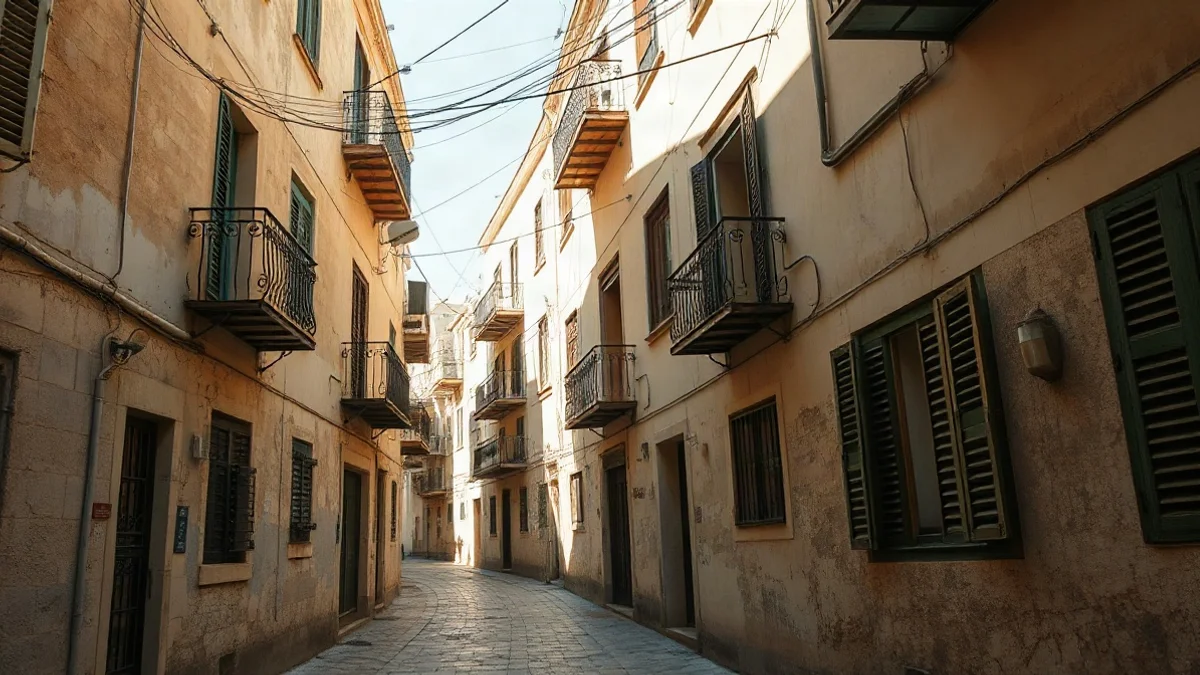
Nestled near the bustling Carmel Market and Allenby Street in central Tel Aviv, the historic Kerem HaTeimanim neighborhood continues to captivate visitors with its unique charm, blending a 120-year legacy with a rapidly evolving urban landscape.
A Century of Heritage and Musical Roots
Founded even before the official establishment of Tel Aviv, Kerem HaTeimanim was shaped by the distinct cultural identity of its early Yemeni settlers. Over the decades, the neighborhood's narrow alleys gave rise to legendary music groups and artists, including Boaz Sharabi, Ahuva Ozeri, Daklon, and HaPaarim, while traditional eateries such as Tzion, Maganda, and Pundak Shaul transformed the district into a culinary pilgrimage site. Shlomo Cohen, a third-generation resident whose grandfather purchased their family property in 1932, keeps this heritage alive at Cafe Cohen on Yishkon Street. Cohen recalls an era when neighborhood doors remained open on Saturdays and traditional melodies echoed through the winding lanes.
Culinary Traditions Meet Modern Innovation
While high-rises and modern cafes have altered the urban fabric, historic food establishments continue to thrive alongside trendy newcomers. The neighborhood hummus landmark Shlomo & Doron, established in 1937, now balances traditional recipes with modern twists like Balkan hummus and Indian dahl-infused dishes. Nearby, Shimon King of Soups has served authentic broths for over five decades. Meanwhile, local bakeries draw long queues of customers eager to purchase traditional Yemeni pastries, including kubaneh, malawach, jachnun, and freshly baked Shabbat challah.
Demographic Shifts and Gentrification
Despite its vibrant culinary and cultural scene, long-time residents note a profound demographic transformation. High rental prices and soaring property values have largely replaced the original working-class families with students, high-tech professionals, and individualistic young renters. While parking remains scarce and expensive, and traditional spice shops slowly give way to modern residential conversions, Kerem HaTeimanim retains an undeniable nostalgic pull for those seeking a glimpse of old Tel Aviv amidst the modern metropolis.