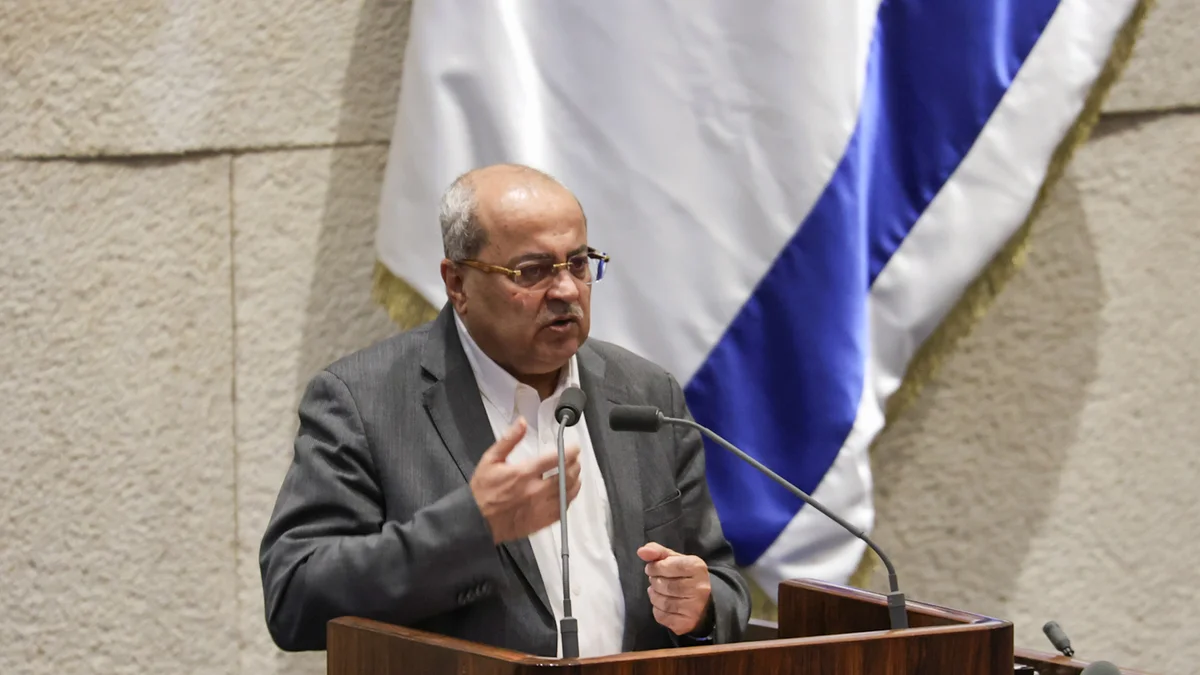
Energy Sector Performance Under Eli Cohen
From deep-sea gas exploration to the reliability of our power grid: we assessed the performance of Energy Minister Eli Cohen. Electricity supply has become more reliable and gas companies have resumed exploration, though renewable energy targets remain unmet. 'Performance Traffic Light' — a special report.
The 'Traffic Light' index of the 'Mashrokit' project summarizes the tenure of government ministers using data-based analysis. This assessment of Energy Minister Eli Cohen's performance focuses on three key parameters formulated in consultation with industry experts.
1. Recovery from Stagnation in the Gas Sector
Data indicates that after years of stagnation in offshore gas exploration, six license clusters were launched over the past year. The primary causes for previous delays were geopolitical tensions, including the wars in Gaza, Lebanon, and Iran, alongside regulatory hurdles regarding export approvals to Egypt.
During Cohen's tenure, natural gas consumption rose by 8.5%, and state revenues from gas and oil reached a record 2.3 billion shekels in 2024. In November 2025, the ministry launched a fifth competitive process. Notable achievements include the establishment of the Dayan Committee to review natural gas policy and the approval of the largest export deal in the country's history, involving gas sales from the Leviathan reservoir to Egypt.
2. Growth in Renewables, Yet Below Targets
Since 2019, there has been a consistent upward trend in electricity production from renewable sources, with 2025 marking the highest production figures to date. However, performance remains below the set targets: 20% production by the end of 2025 versus the actual 17%. Israel faces unique challenges, including high population density, land scarcity, and a lack of regional electricity grid connectivity.
To address these issues, Cohen approved a temporary exemption from the betterment levy for agro-voltaic facilities and launched the '100,000 Solar Roofs' program, which increased new solar system installations by approximately 30%. In May 2025, the ministry presented the National Strategic Plan for Renewable Energies through 2035.
3. Reduction in Power Outages
Following a peak in 2020, the duration of power outages has shown a downward trend. During Cohen's tenure, the number of minutes without electricity supply decreased by approximately 12%. While favorable weather conditions contributed to this improvement, the Electricity Authority also credits the Israel Electric Corporation's increased focus on distribution network investments.
Cohen approved a 22-billion-shekel investment plan for the development of the distribution system for 2024–2030, doubling the investment volume of previous years. Data shows that even amid the ongoing war, the reliability of the national power supply has remained robust.