NATO Considers Historic Shift to Prioritize European Defense Over Overseas Missions
NATO is considering its most significant military planning overhaul in two decades, prioritizing large-scale European defense over overseas crisis management amid growing security concerns regarding Russia.
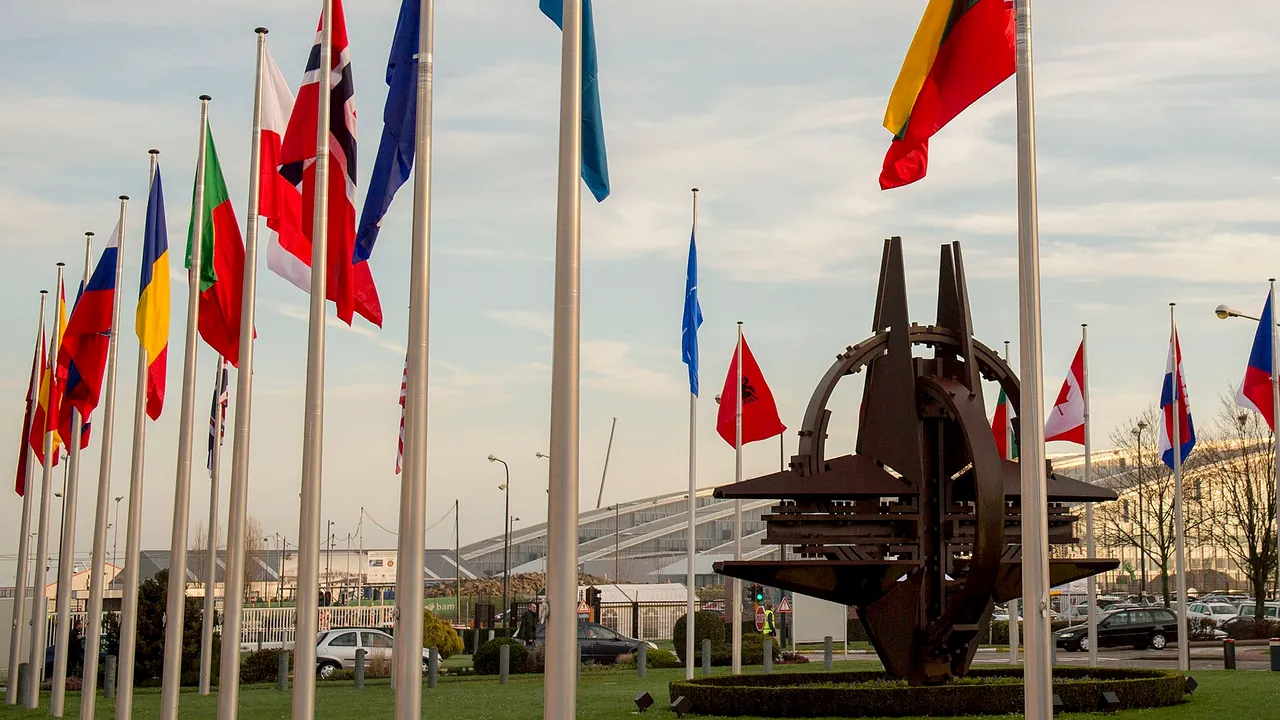
NATO is considering a major overhaul of its military planning, shifting its primary focus toward large-scale continental defense rather than overseas crisis management. According to draft planning documents discussed by alliance diplomats, member states may soon be relieved of the longstanding requirement to simultaneously maintain forces for external missions and European defense. Instead, countries could be required to choose between preparing for a major war in Europe or conducting smaller-scale crisis management operations.
The strategic shift marks the most significant adjustment to NATO military planning in at least two decades. Camille Grand, former NATO assistant secretary-general for defense investment, noted that the proposal reflects a clear understanding that a major conflict in Europe must take precedence over any other scenario. Senior NATO diplomats emphasized that negotiations remain at an early stage, with member states aiming to reach an agreement by February, while the broader capability planning cycle is scheduled for completion by 2029.
Strategic Realignment Amid Russian Threats
The discussions come as NATO allies seek to strengthen deterrence against Russia and prioritize the allocation of limited defense resources. European officials have repeatedly warned that Russia could pose a direct military threat to NATO territory by 2029. Recent months have also seen increased hybrid pressure, with European governments reporting suspected sabotage, drone incursions, cyberattacks, and infrastructure breaches. Germany has directly linked several of these incidents to Moscow.
The strategic realignment also aligns with persistent pressure from Washington for European allies to assume greater responsibility for their own defense. The United States has urged European partners to scale back overseas missions as the Pentagon reviews its military footprint in Europe. Meanwhile, NATO is reassessing its response to sub-conventional and hybrid threats, with Secretary-General Mark Rutte noting that Article 5 remains intentionally ambiguous to deter hostile actions without providing Moscow with clear operational boundaries.