US-Israel Relations Face Historic Low as Experts Urge Strategic Shift
US midterm election results and plummeting favorability ratings reveal a deep crisis in US-Israeli relations, prompting experts to urge a strategic shift toward technological partnership and independent diplomacy.
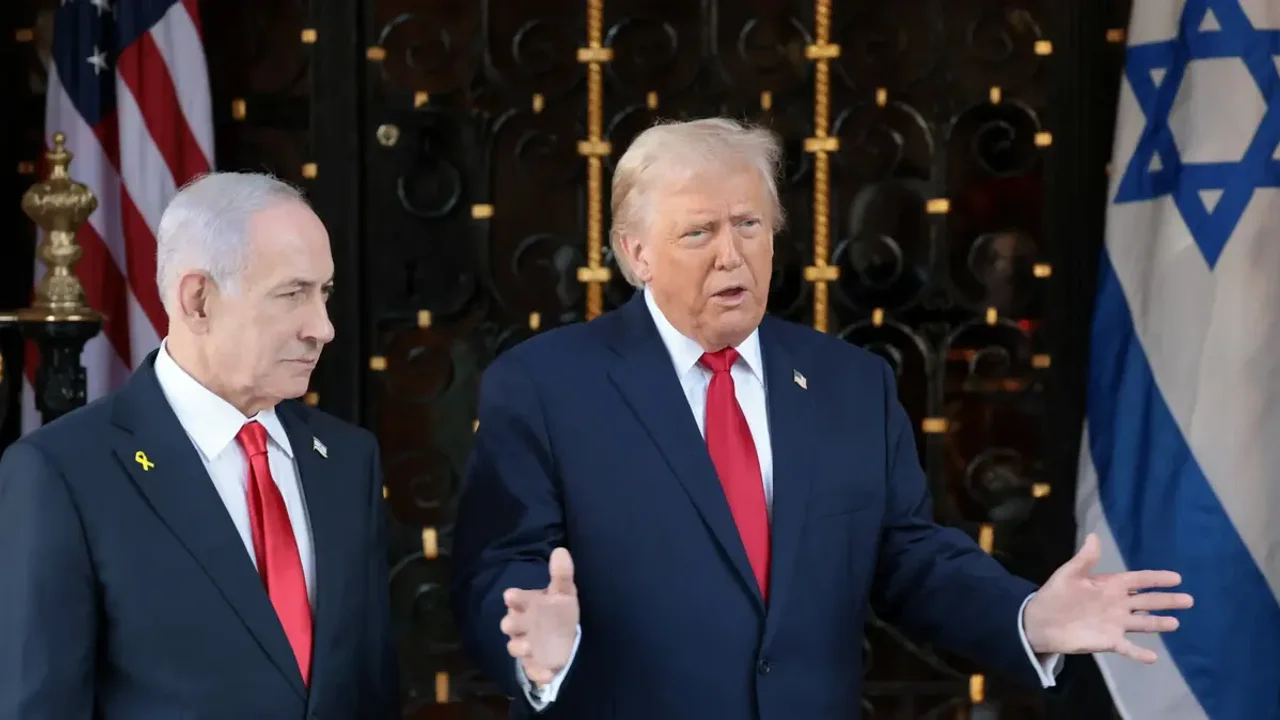
The recent US midterm elections have highlighted a growing divergence between the American public and Israel, exposing a deep shift in political attitudes. US Vice President JD Vance attributed Republican losses in part to the ongoing conflict involving Iran, noting that Donald Trump voters who crossed party lines expressed a desire for a redefined US-Israel relationship. Analysts point to a steep decline in Israel's favorability ratings, dropping from 75 percent in 2021 to 46 percent by 2026 across both Democratic and Republican demographics.
Rethinking the Aid Model and Strategic Ties
Experts suggest that overcoming this unprecedented slump requires shifting away from the traditional model of military assistance, which often casts Israel in a dependent role. Dr. Avner Golov of MIND Israel and senior researcher Shira Efron argue that redefining the alliance through technological cooperation—focusing on artificial intelligence, quantum computing, and advanced chips, akin to Japan's post-war strategy—could rebuild strong bipartisan support and demonstrate tangible value to the American economy.
Policy Challenges and Domestic Hurdles
Public perception is also heavily impacted by domestic policies, including reports of settler violence in the West Bank and ongoing controversies surrounding military conduct. Congressional lawmakers frequently question these dynamics, while a well-funded international campaign continues to challenge Israel's image. Observers emphasize that rebuilding ties with the broader American public and the American Jewish community remains an urgent national imperative for Israel's long-term security.