Lebanon Faces Deepening Economic Collapse Amid Regional Conflict
Lebanon faces a severe economic crisis, with a projected 6.4% GDP contraction and soaring inflation, worsened by conflict, systemic corruption, and energy shortages.
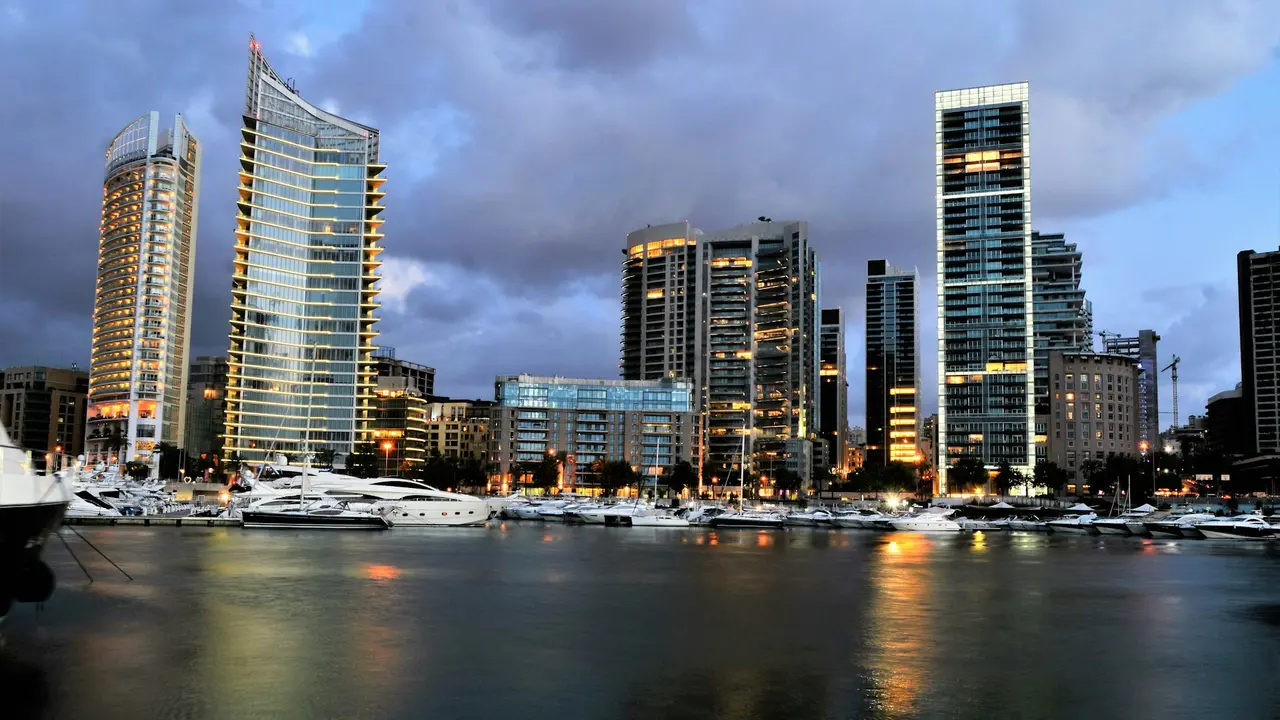
Lebanon is facing a profound economic and institutional crisis, exacerbated by years of systemic mismanagement and the devastating fallout from the conflict between Israel and Hezbollah. Decades of corruption, political elite enrichment, and the 2019 banking collapse have hollowed out the nation's economy, leaving public institutions severely weakened and citizens struggling to survive.
According to World Bank data, Lebanon's inflation is projected to surge by more than 17 percent this year due to severe supply chain disruptions and soaring fuel costs, while the economy is expected to contract by 6.4 percent. The International Labour Organization reports that one in three private sector workers has lost their job, making employment nearly impossible to find for the broader population.
Agriculture and small businesses bear the brunt of the instability. In the Bekaa Valley, 55-year-old farmer Abd al-Nasser Othman noted that fuel and fertilizer prices doubled while labor costs quintupled, cutting his profits in half. "This year is a catastrophe, the hardest of all," he said in an interview with international press, emphasizing his deep emotional connection to the land his family has farmed for decades.
The energy crisis further paralyzes daily life and commerce, as the state electricity grid provides power for only a few hours a day. Residents and business owners are forced to rely heavily on expensive private generators. Reaya Saker, who runs a co-working space in Beirut, spends more than $1,600 monthly on generator fees alone, in addition to government electricity bills, noting the immense difficulty of sustaining operations under such conditions.
Lebanese Prime Minister Nawaf Salam and other officials have attempted to introduce targeted relief measures, including loans for solar panels and new taxes on luxury assets like yachts. However, analysts and officials concede that these resources remain severely limited and insufficient to meet the staggering reconstruction needs of a country caught between entrenched political elites and ongoing geopolitical turmoil.