KKL-JNF Allocates Additional Funding for Binyamin Medical Center
The KKL-JNF board approved an additional 5 million shekels for the Nanashi Medical Center in the Binyamin region, bringing total funding to 15 million shekels ahead of its 2027 opening.
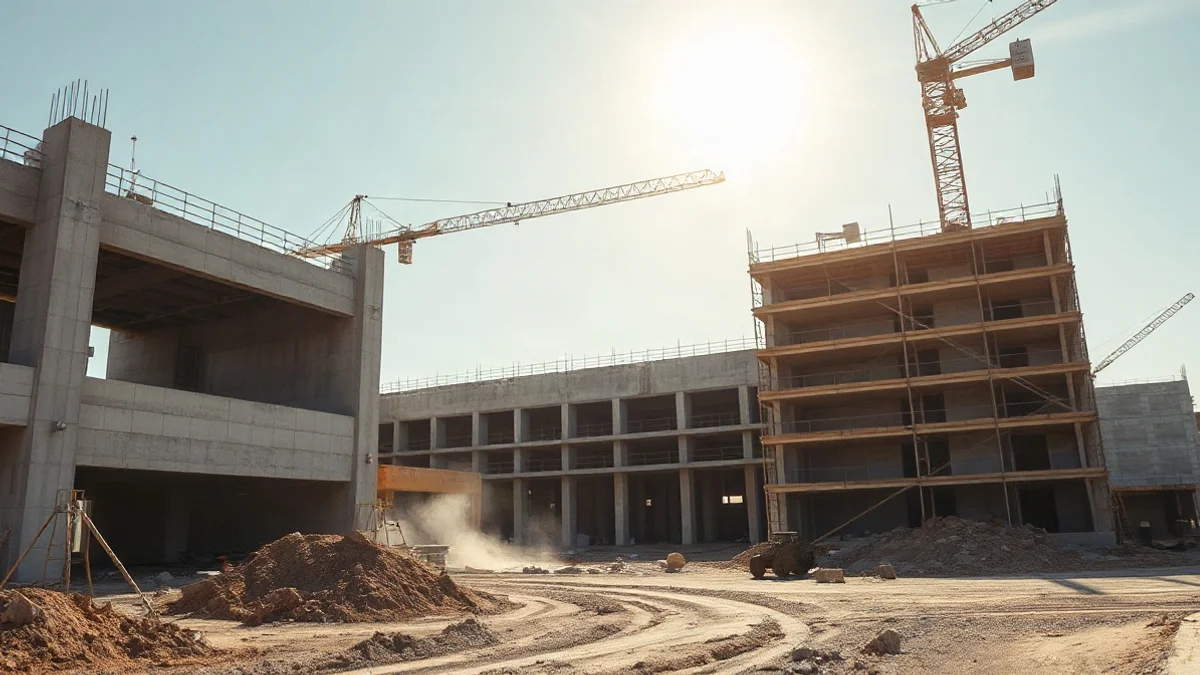
The Jewish National Fund (KKL-JNF) board of directors has approved an additional five million shekels for the establishment of the "Nanashi" Medical Center in the Binyamin region, bringing its total funding for the project to 15 million shekels. The medical center is currently under construction in the Shaar Binyamin industrial zone and is scheduled to open its doors in 2027.
For residents of Judea and Samaria, the new facility represents a significant shift in regional healthcare accessibility. Currently, patients requiring advanced diagnostics, urgent care, or specialized medical consultations often have to travel to Jerusalem or other distant medical centers. The upcoming facility aims to centralize a wide array of health services locally, reducing travel burdens for families with children, the elderly, and patients needing regular medical oversight.
The complex is designed to offer comprehensive medical services, including family and pediatric medicine, urgent care, specialized clinics, and advanced imaging services such as CT and MRI scans. Plans also encompass women's health, orthopedics, mental health treatments, and a dedicated rehabilitation center for wounded soldiers to receive care close to home. The Binyamin Regional Council notes that the center will serve a growing population of over 80,000 residents in the region, alongside thousands more from neighboring communities, while providing critical emergency response capabilities.
Binyamin Regional Council Head and Yesha Council Chairman Yisrael Gantz welcomed the funding approval, stating that residents have long endured long journeys for medical treatment and that the project brings a first-of-its-kind medical center to the area. KKL-JNF Chairman Eyal Ostrinsky emphasized that investing in essential healthcare infrastructure is a fundamental necessity for remote and growing populations.