Musk explains why SpaceX is investing in artificial intelligence
Elon Musk’s SpaceX is entering the artificial intelligence race. In the company’s first investor call as a public entity, Musk defended a massive investment of nearly $16 billion in AI infrastructure during the second quarter of the year.
Elon Musk’s SpaceX is entering the artificial intelligence race. In the company’s first investor call as a public entity, Musk defended a massive investment of nearly $16 billion in AI infrastructure during the second quarter of the year. Musk explained that the company holds a unique advantage in the technological race thanks to its rocket and satellite engineers, comparing SpaceX’s market position to a match between the New York Yankees and a group of children from a lower league.
Rocket scientists versus tech giants
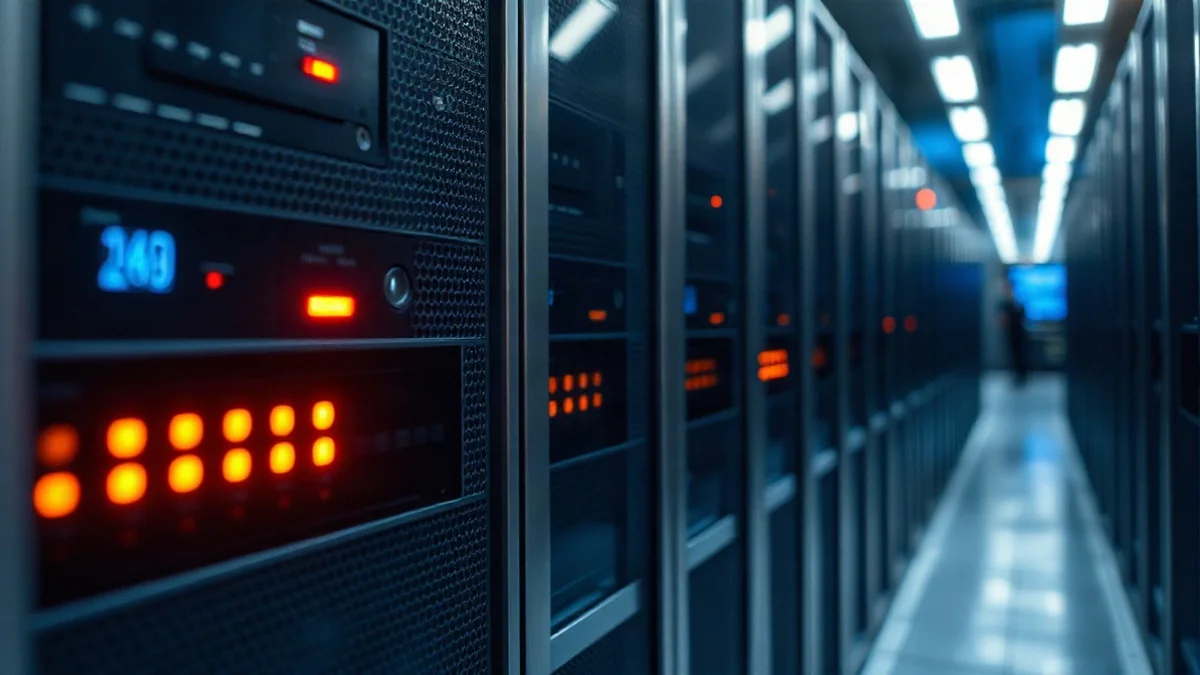
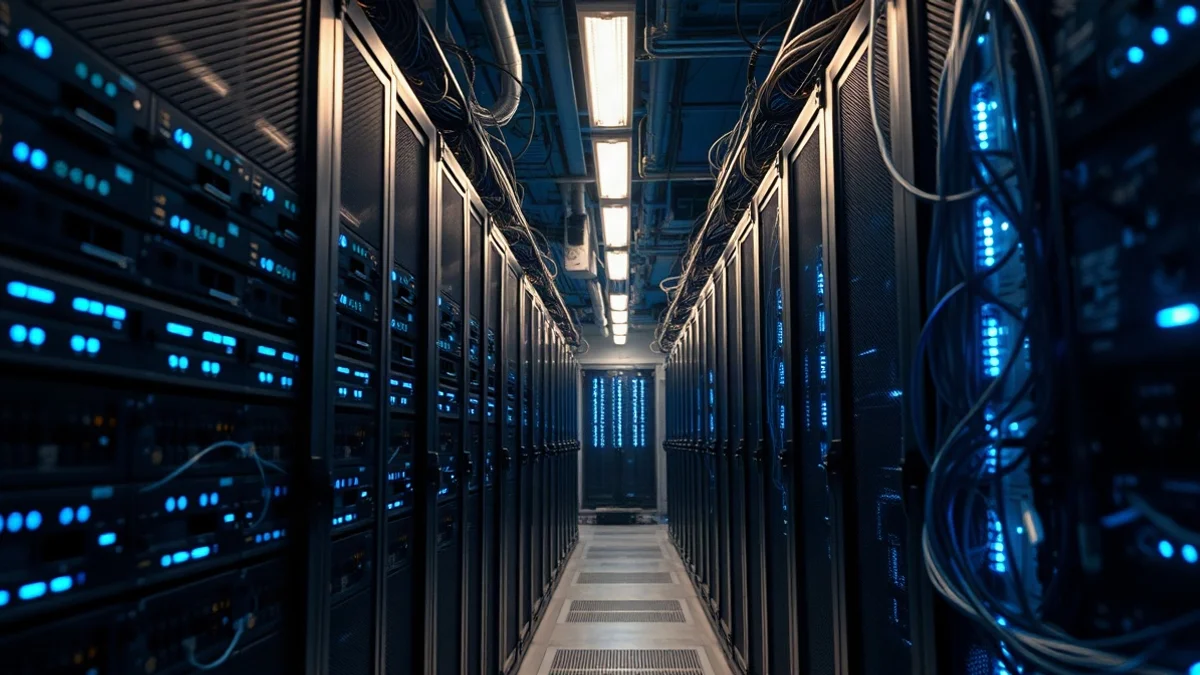
According to Musk, building data centers is a much simpler task compared to the daily challenges faced by his rocket engineers, who strive to prevent rockets from exploding with every launch. SpaceX, which began expanding beyond the space domain and acquired the AI company xAI in February, is now directly competing with established cloud giants such as Amazon, Microsoft, and Google. Despite being a newcomer in the data center field, the company is showing a rapid growth pace backed by massive capital investments.
The figures behind SpaceX’s new activity reveal the scale of the operation. The company reported $2.6 billion in revenue from artificial intelligence in the second quarter, a 213% increase compared to the previous quarter. Additionally, the company signed cloud service contracts totaling $14.1 billion, including deals with leading firms such as Anthropic and Google. The company’s total capital expenditures surged to $18.4 billion in the second quarter, compared to $10 billion in the first.
Partnership with Nvidia and ambitious targets
One of SpaceX’s key assets is its access to Nvidia’s GPU inventory. Musk noted that the company’s platform will be built exclusively on Nvidia’s “Vera Rubin” architecture and emphasized that the company expects to receive a significant share of the chipmaker’s supply next year. This close collaboration allows SpaceX to accelerate the construction of its computing power and set ambitious targets for the coming years.
The company closed the quarter with 1.4 gigawatts of computing power and expects to cross the 2-gigawatt threshold by the end of the year. The long-term goal, as presented by Musk, is to reach 20 gigawatts of computing and active cooling systems by the end of 2027. Musk estimated that even if delays occur, the company will succeed in deploying approximately 15 gigawatts of power.