Psilocybin Found to Reduce Aggressive Behavior in Fish, Study Shows
A new Canadian study reveals that exposing aggressive mangrove rivulus fish to psilocybin significantly reduces their fighting behaviors without altering general social interactions.
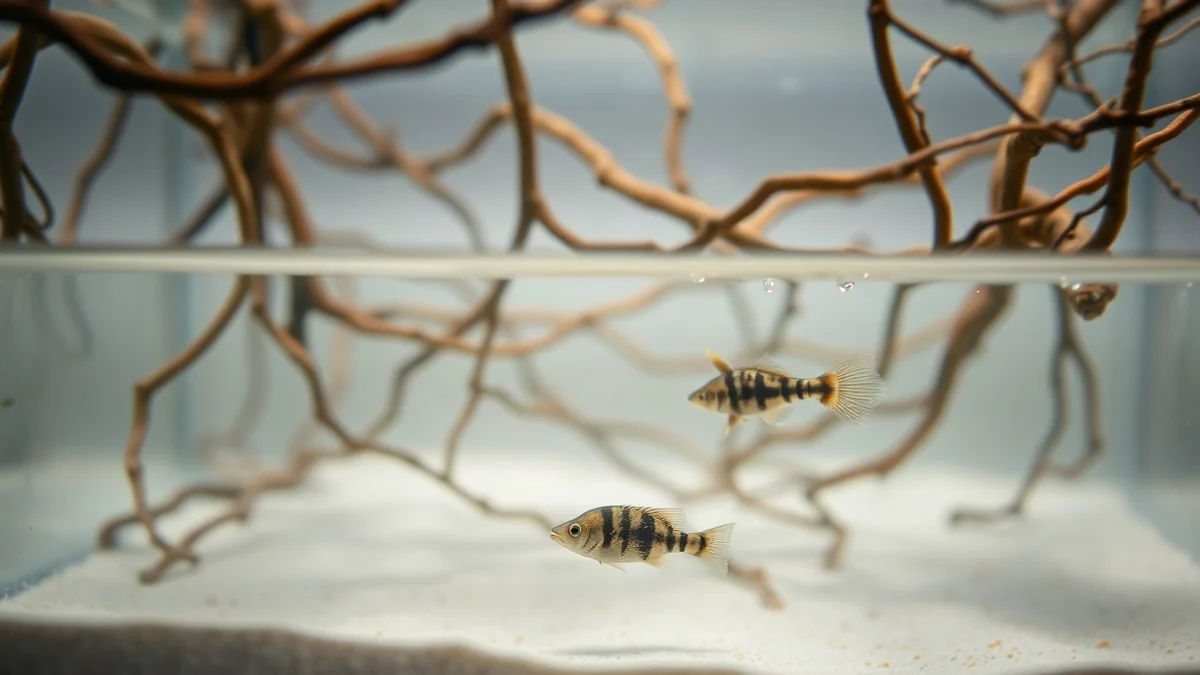
Canadian researchers have discovered that exposing aggressive mangrove rivulus fish to psilocybin significantly reduces their fighting behaviors. Scientists from Acadia University and the University of British Columbia tested the psychoactive compound on Kryptolebias marmoratus, a species known for territorial aggression.
During the experiment, fish exposed to psilocybin for 20 minutes performed fewer rapid charges toward rivals and spent less time swimming aggressively. Researcher Dana Forsyth noted that the calming effect selectively reduces high-energy aggression while leaving other social behaviors nearly unchanged.
The study, published in Frontiers in Behavioral Neuroscience, utilizes fish capable of self-fertilization, ensuring genetic consistency among subjects. Researchers emphasize that while the findings provide insights into social behavior and aggression, they are preliminary and do not translate directly to humans.