Leapmotor EV Storage Fails After Driver Loads Heavy Beer Crates in China
An electric vehicle in China went viral after its plastic underfloor storage compartment detached under the weight of beer crates, dragging along the road and highlighting load limits.
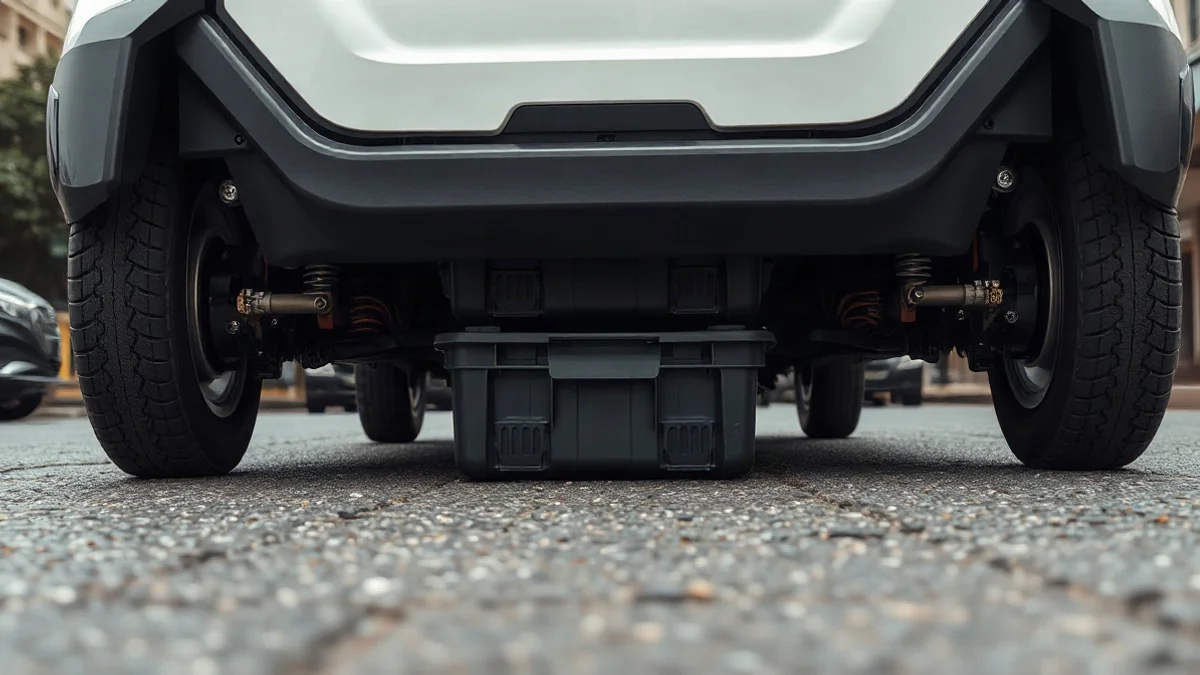
A bizarre incident in China involving an electric vehicle has drawn widespread attention online after a structural failure caused the car's lower storage compartment to detach and drag along the road while loaded with crates of beer. The vehicle, identified as a Leapmotor model marketed locally as the A10 and globally as the B03X, suffered the mishap during a routine drive.
The Anatomy of the Failure
Footage circulating on social media showed the deformed plastic underfloor compartment dangling near the asphalt, with beverage crates protruding from beneath the chassis. Social media users quickly dubbed the phenomenon "the car that birthed beer." The owner explained that several cases of beer had been placed in the concealed storage well beneath the trunk floor. During transit, the combination of excessive weight and road vibrations caused the plastic container to warp and tear away from its mounting points.
Unlike many conventional automobiles where under-floor compartments are integrated into a rigid metallic frame, Leapmotor utilized a plastic storage bin for this space. While this material choice reduces overall vehicle weight and production costs, this specific incident demonstrated clear limitations regarding its load-bearing capacity.
Manufacturer Limits and Aftermath
Company representatives subsequently clarified that the lower storage compartment is engineered to withstand a maximum weight limit of 40 kilograms, a restriction explicitly outlined in the vehicle manual. This load limit strictly applies to the sub-floor bin rather than the main cargo area as a whole. Although the manufacturer has not issued an extensive formal statement regarding the incident, the occurrence sparked concern among local owners, prompting some to install custom metal brackets and underbody shields.
Automotive experts caution that makeshift reinforcements offer no guaranteed structural security, particularly when brackets are fastened to adjacent plastic body elements. Despite the viral nature of the video, there is currently no evidence to suggest a systemic manufacturing defect, and local dealerships reported no similar complaints.
The incident presents an awkward moment for Leapmotor, given that the B03X remains one of its top-selling electric vehicles. In October 2026 alone, the company sold 27,247 units in China, where retail prices range from 65,800 to 92,800 yuan, approximately equivalent to 9,900 to 13,900 US dollars. The EV features an electric powertrain and delivers an estimated driving range of up to 505 kilometers under China's CLTC testing standard. The episode underscores the fundamental reality that even advanced electric vehicles featuring modern displays and driver assistance systems remain bound by strict manufacturer weight limits.