Longevity Science: Sleep vs. Exercise, Optimal Diets, and Water Therapy
Recent longevity studies weigh the benefits of swapping sleep for exercise, examine how various diets impact aging biomarkers, and highlight the advantages of backward water walking.
A new weekly column exploring the longevity science industry examines recent research on daily habits that can slow aging, from balancing sleep and exercise to choosing the right diet and water therapy.
Exercise Versus Sleep: Which Wins?
Both sleep and physical activity are essential for longevity. Ideally, adults should sleep 7 to 9 hours a night while engaging in 150 minutes of aerobic exercise and 80 minutes of strength training weekly. However, fitting all recommendations into a busy schedule is challenging. A study published in the American Journal of Epidemiology analyzed data from roughly 69,000 participants in the UK Biobank over eight years to determine whether replacing 30 minutes of sleep with physical activity affects mortality.
Researchers found that replacing half an hour of sleep with vigorous physical activity was linked to lower mortality across all groups. Yet, when swapping sleep for moderate activity, results varied based on baseline sleeping habits. Among participants who already slept 7 to 9 hours, adding moderate exercise lowered mortality risks. Conversely, for those who slept insufficiently, cutting 30 minutes of sleep for moderate exercise was associated with higher mortality.
Diet Patterns and Smoking Insights
A study by the German Center for Neurodegenerative Diseases (DZNE), published in Nature Communications, evaluated the diets of 7,500 individuals against aging biomarkers. Ten dietary patterns, including the Mediterranean, Nordic, vegan, DASH, and MIND diets, were tied to improved biomarkers. Researchers emphasize that adherence and sustainability matter more than selecting a specific diet.
Furthermore, the study revealed that the correlation between a healthy diet and improved biomarkers was stronger among smokers. While smoking cessation remains crucial, healthy nutrition appears to offer an additional avenue for mitigating damage. Meanwhile, a University of Southern California study highlighted that strict adherence to a Mediterranean diet elevates beneficial proteins such as humanin and SHMOOSE, which support cardiovascular health and protect against cognitive decline.
Retrograde Water Walking
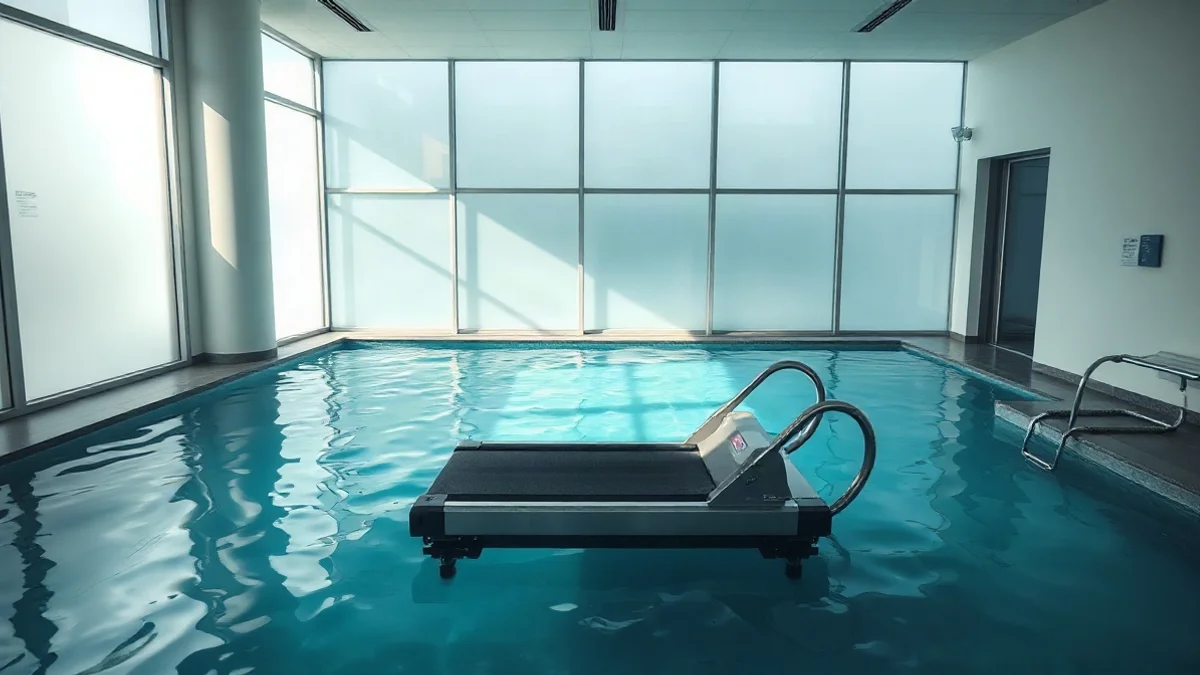
Water exercise benefits joints through natural resistance. A study led by Cairo University researchers explored knee pain relief by comparing forward water treadmill walking with a routine combining forward and backward walking. While both groups experienced improvements, incorporating backward walking yielded significantly greater gains in pain reduction, knee function, and range of motion. Hydrotherapy experts note that backward walking engages different muscle groups and reduces joint strain.