Lieberman Pushes 2018 Draft Compromise Amid Severe IDF Manpower Shortage
Yisrael Beytenu leader Avigdor Lieberman has expressed willingness to revive his 2018 military draft framework for ultra-Orthodox Israelis. While his proposal is significantly more lenient than competing bills, the IDF continues to face an acute shortage of 12,000 troops amid mounting operational strain.
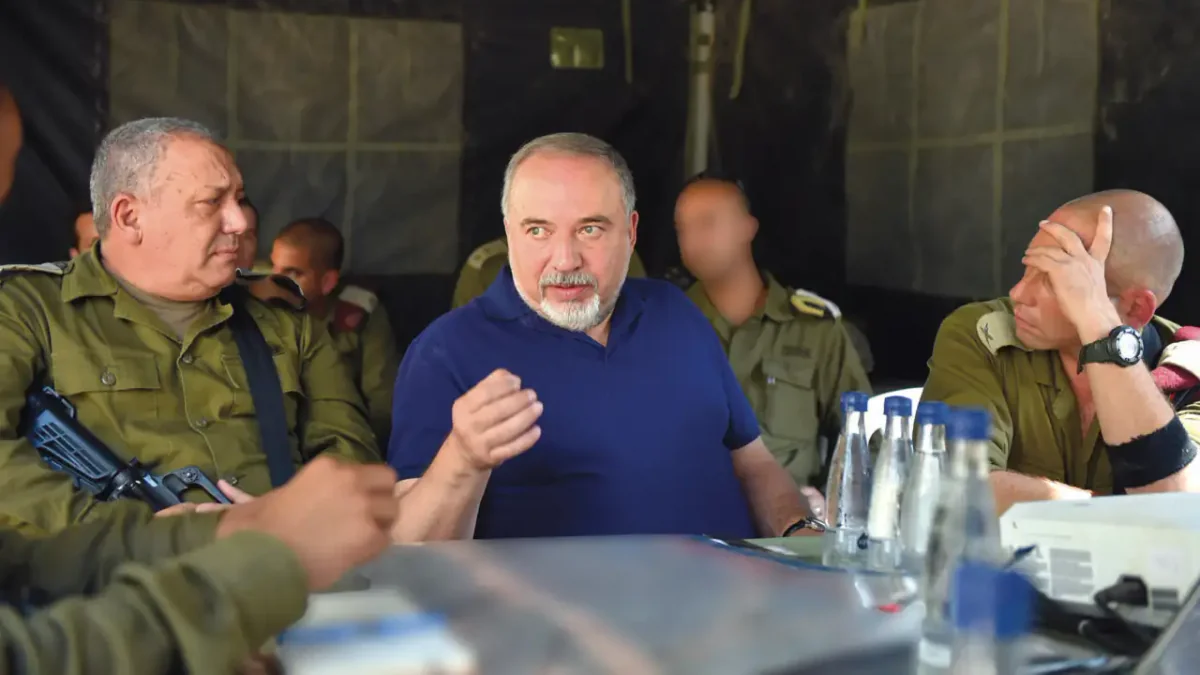
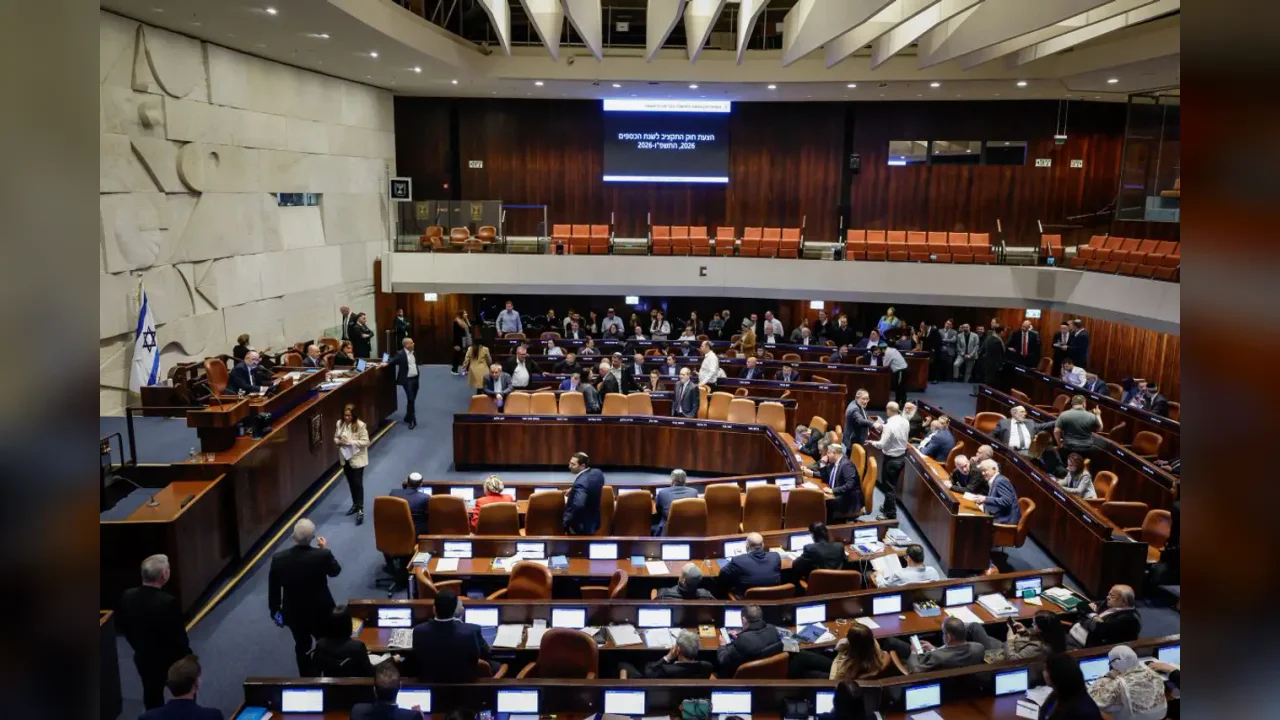
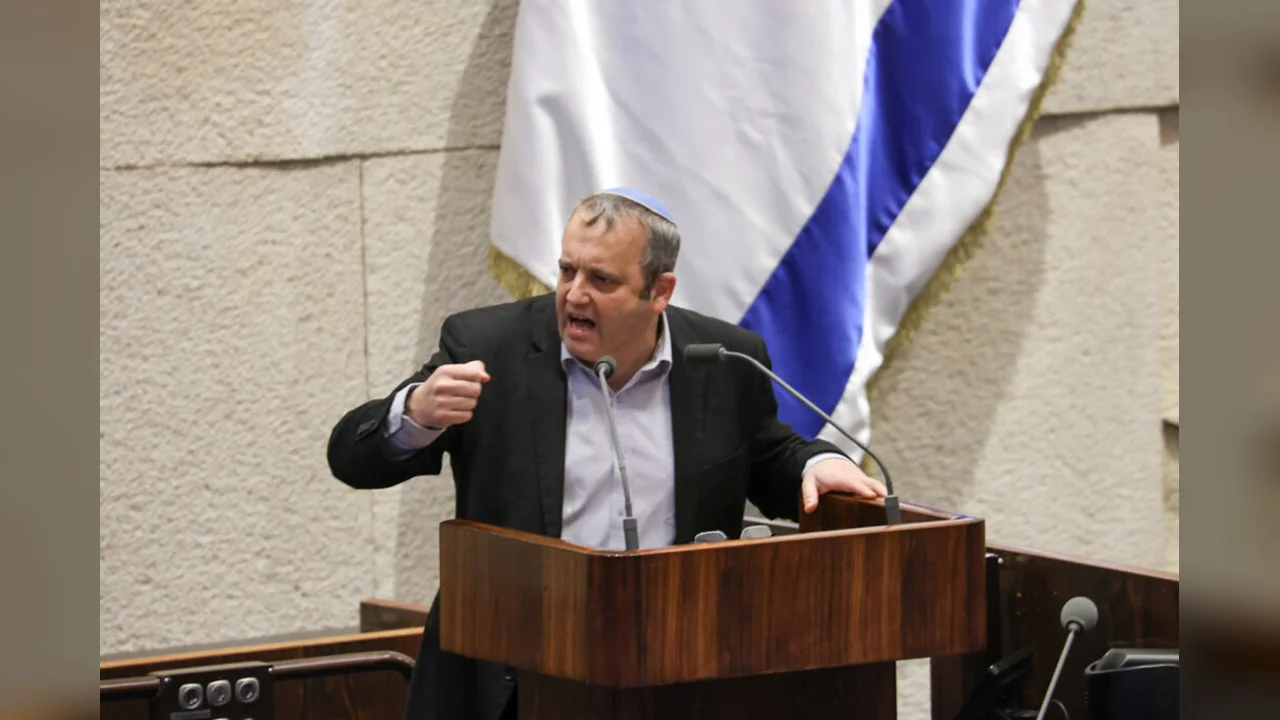
Yisrael Beytenu leader Avigdor Lieberman has repeatedly stated his readiness to discuss a compromise on the ultra-Orthodox military draft law, based on the framework he proposed in 2018. However, a comparative analysis reveals that Lieberman's proposal is significantly more lenient than the bill previously promoted in the Knesset, which he had fiercely criticized.
The primary discrepancy lies in recruitment targets. Lieberman's proposed legislation outlined considerably lower quotas, starting at 3,348 recruits in the first year and reaching 5,737 within a decade, after which the ultra-Orthodox enlistment rate would grow proportionally with the community's demographic expansion. In contrast, the alternative bill pushed for a much steeper trajectory, aiming for 5,440 recruits in the first year, escalating to 8,500 by the fourth year, or roughly 50 percent of the annual cohort of ultra-Orthodox educational graduates.
Despite differing targets, both proposals shared the exact definition of who qualifies as ultra-Orthodox: any individual who studied in an ultra-Orthodox educational institution for at least two years between the ages of 14 and 18, regardless of whether they subsequently left the religious lifestyle. Regarding financial penalties, Lieberman's model proposed scaling the reduction of state subsidies to yeshivas directly to their failure rate in meeting quotas. Meanwhile, the stricter bill included various individual sanctions, though the Knesset's legal advisors deemed them insufficiently effective.
Another significant divergence is the exemption age. While the stricter bill set the exemption age at 26, Lieberman's framework established it at 24. A subsequent initiative backed by Lieberman and former alternate prime minister Benny Gantz even proposed lowering the exemption threshold to 21, aiming to facilitate early entry into the workforce without the persistent threat of sanctions.
The IDF's Acute Manpower Shortage
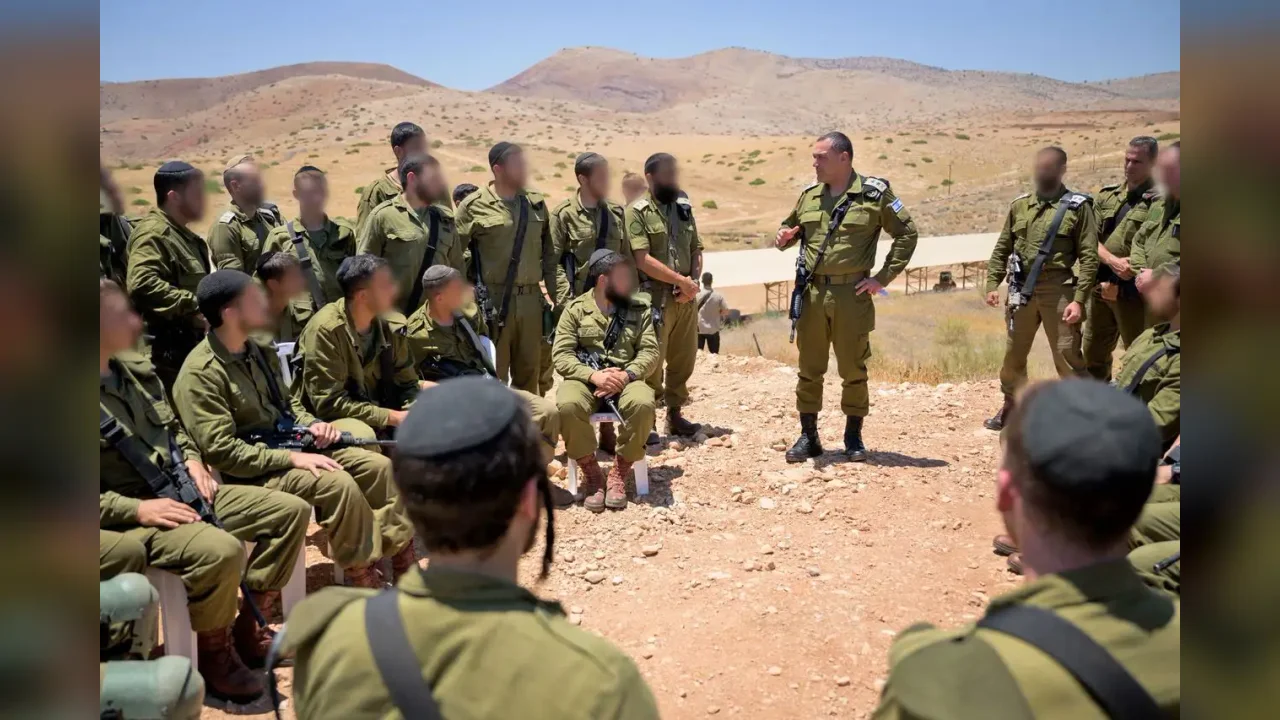
Beyond political maneuvering, the core challenges facing the Israel Defense Forces remain unresolved. According to military data, the armed forces face a deficit of 12,000 personnel, including 7,500 combat soldiers. The active reserve system is heavily strained, career officers continue to leave the service, and conscripts endure an unprecedented operational burden across all regional commands.
The ongoing debate highlights a profound disconnect between political compromise and the urgent operational needs of the military. Reservists and their families, who bore the brunt of the prolonged fighting following the October 7 attacks, view any potential watering-down of draft requirements with deep skepticism, underscoring that no political coalition can bypass the critical necessity of expanding military manpower.